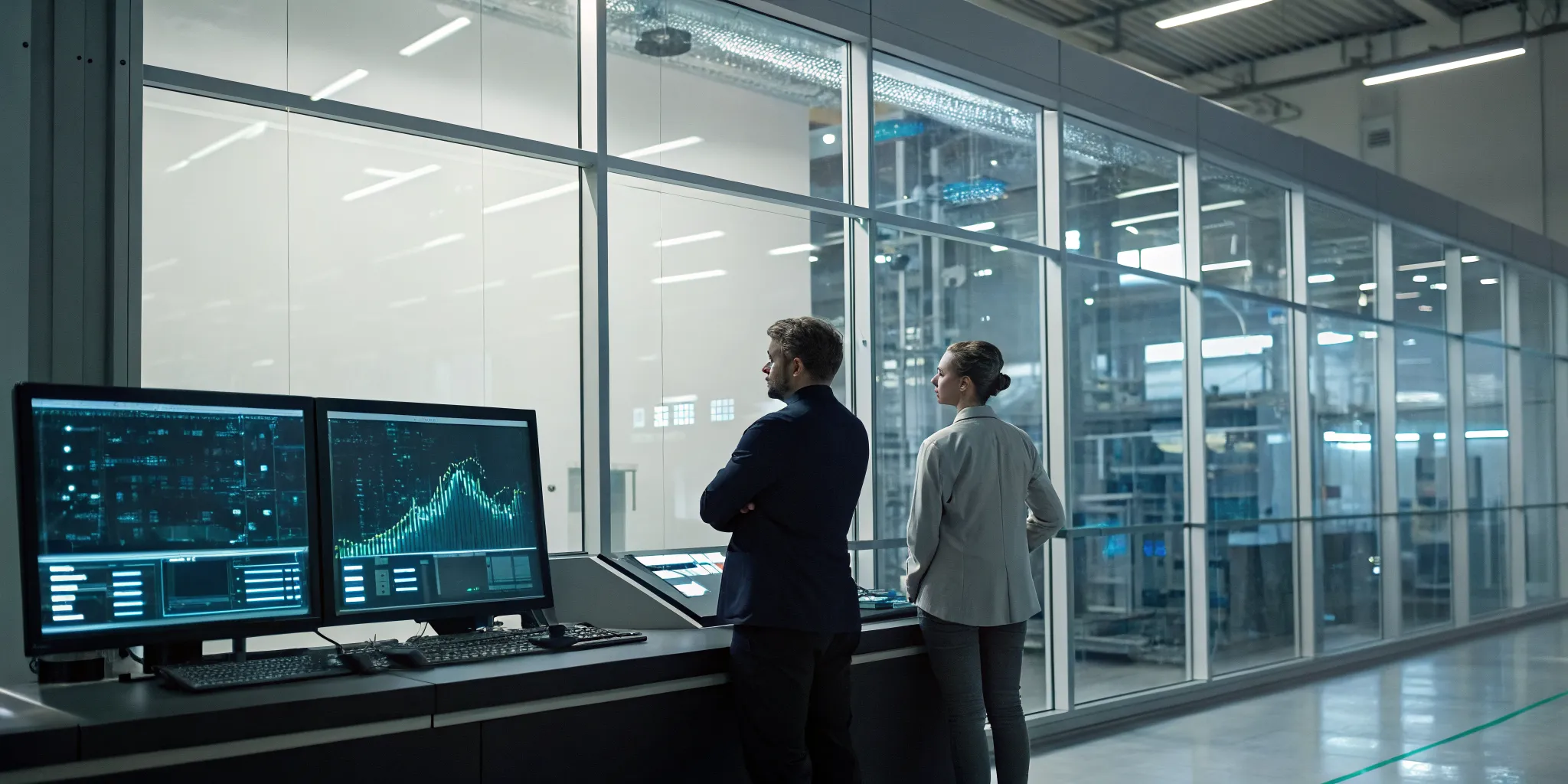
Think of your factory as an orchestra. Each section—the machines, the operators, the supply chain—plays a vital part. But without a conductor, they’re just making noise. For too long, manufacturing has operated without a conductor to unify the performance. This is the role of a Manufacturing Intelligence Platform. It listens to every instrument in your operation, from the hum of the machines to the data in your ERP, and brings them together in perfect harmony. It provides a single, real-time view of the entire performance, allowing you to identify and correct off-key notes before they disrupt the entire symphony.
Key Takeaways
- Unify Your Data for a Clearer Picture: A manufacturing intelligence platform breaks down data silos by connecting your business systems, like an ERP, with your shop floor machines, creating a single, reliable source of truth for your entire team.
- Shift from Reactive to Proactive Operations: Use the platform’s real-time insights and predictive tools to anticipate equipment failures and bottlenecks, allowing you to solve problems before they cause costly downtime.
- Start Smart with a Modular Approach: Look for a flexible platform that integrates with your existing technology; this lets you begin by solving your most urgent problem first and ensures a faster return on your investment.
What Is a Manufacturing Intelligence Platform?
Think of a Manufacturing Intelligence Platform (MIP) as the central nervous system for your factory. It’s a software solution designed to collect, analyze, and display data from all your different systems and machines. For too long, critical information has been trapped in separate silos like your Enterprise Resource Planning (ERP), Manufacturing Execution System (MES), and machine sensors. A MIP brings it all together. The goal is to give everyone, from the plant manager to the frontline operator, a clear, real-time picture of what’s happening on the floor. This unified view turns a flood of raw data into actionable insights you can use to improve efficiency, boost quality, and make smarter decisions on the fly.
How Does a MIP Work?
At its core, a MIP works by connecting all your disparate data sources. It gathers information from your business operations systems (like ERP), your factory floor activities (from an MES or PLCs), and even your quality control processes. Once the data is collected, the platform uses advanced analytics and sometimes artificial intelligence (AI) to process it. It looks for patterns, identifies anomalies, and highlights opportunities for improvement that would be nearly impossible to spot otherwise. These insights are then presented in easy-to-understand dashboards, giving your team the ability to monitor performance and solve problems as they happen, creating a more responsive and agile operation.
MIP vs. Traditional Manufacturing Software
The biggest difference between a MIP and traditional software is integration. While tools like a standalone MES or ERP are powerful for their specific functions, they often operate in isolation. This creates data silos that prevent you from seeing the full picture. A Manufacturing Intelligence Platform breaks down those walls by integrating data across the entire production process. This provides a holistic view that helps different departments, from the top floor to the shop floor, work together more effectively. It’s a shift from managing individual functions to optimizing the entire operation, helping you build a truly data-driven culture focused on continuous improvement.
What Problems Can a Manufacturing Intelligence Platform Solve?
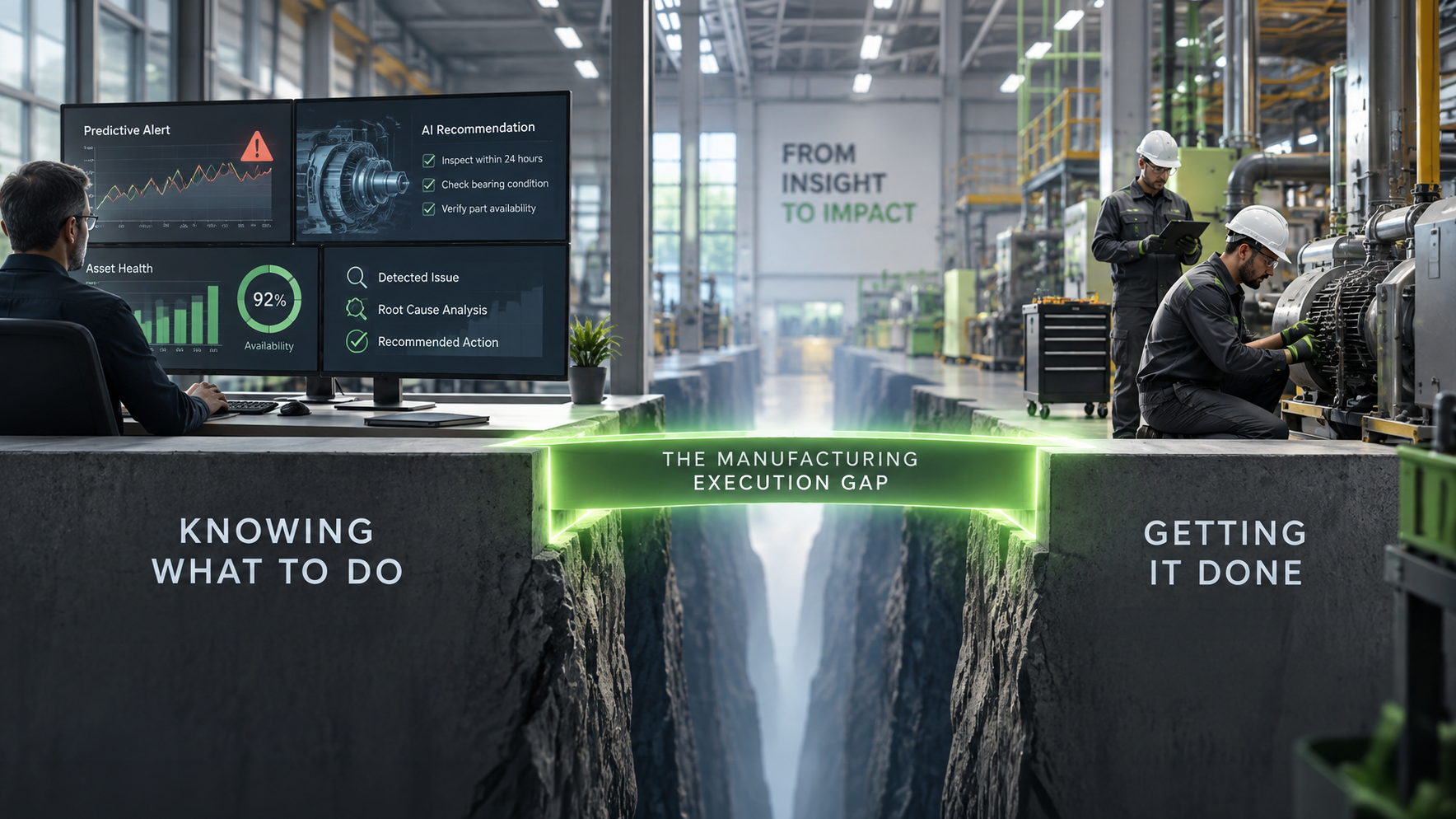
On any given day, a factory generates a staggering amount of data. The challenge isn’t a lack of information; it’s that the information is scattered, delayed, or difficult to interpret. This leads to common operational headaches: teams react to problems instead of preventing them, processes vary from shift to shift, and no one has a complete, real-time picture of performance. A manufacturing intelligence platform is designed to cut through this chaos. It connects disparate systems and turns raw data into clear, actionable insights that help your teams solve critical production challenges.
Unify Disconnected IT and OT Data
Most factories operate with a fundamental disconnect between their information technology (IT) and operational technology (OT) systems. Your business data from an ERP lives in one world, while your machine data from PLCs and sensors lives in another. A manufacturing intelligence platform acts as a bridge, unifying these separate data streams. It collects and contextualizes information from systems like your MES, QMS, and ERP, creating a single source of truth. This integrated view allows you to see how shop floor events impact business outcomes, giving you a holistic understanding of your entire operation. A smart gateway is often a key component in making this connection seamless.
Move from Reactive to Proactive Decisions
Too many plant operations run in a constant state of reaction, fixing equipment only after it breaks and addressing bottlenecks only after they’ve caused significant delays. A manufacturing intelligence platform helps you shift from this reactive cycle to a proactive one. By applying AI and predictive analytics to real-time data, the system can identify potential issues before they disrupt production. This allows your team to perform prescriptive maintenance and resolve emerging bottlenecks, drastically reducing unplanned downtime and waste. Instead of just fighting fires, your teams can prevent them from starting.
Gain Clear Visibility into Production
Without a live view of the factory floor, managers often make decisions based on outdated or incomplete information. A manufacturing intelligence platform provides a real-time manufacturing control tower, giving you clear, instant visibility into what’s happening on every line. Through intuitive dashboards and reports, you can monitor key performance indicators, track production counts, and identify emerging problems the moment they occur. This immediate awareness helps you allocate resources more effectively, troubleshoot issues faster, and maintain a steady, predictable production flow throughout every shift.
Standardize Processes and Bridge Knowledge Gaps
In many plants, critical operational knowledge exists only in the minds of a few veteran employees. This “tribal knowledge” leads to inconsistent processes and creates significant risk when experienced workers are unavailable. A manufacturing intelligence platform helps you capture and standardize this expertise. It can digitize workflows and standard operating procedures, guiding frontline workers through tasks step-by-step. By creating a centralized hub for operational intelligence and team collaboration, you can organize your people and processes, ensuring everyone follows best practices, new employees get up to speed faster, and valuable knowledge is retained within the organization.
What to Look For in a Manufacturing Intelligence Platform
When you start evaluating manufacturing intelligence platforms, you’ll find a lot of options. To find the right fit, you need to look past the surface-level features and focus on the core capabilities that drive real operational improvement. A powerful platform does more than just display data; it transforms that data into a shared language for your entire team, from the top floor to the shop floor. It should provide a single source of truth that connects your people, machines, and processes in a cohesive system.
The goal is to find a solution that gives you clear visibility, helps you make proactive decisions, and empowers your frontline teams to execute flawlessly. The best platforms are not rigid, all-or-nothing systems. Instead, they offer a flexible, modular path that allows you to start with your most pressing challenges and expand as your needs and digital maturity grow. Think of it as building your digital factory brick by brick, ensuring each new capability delivers immediate value without disrupting your entire operation. As you assess your options, keep these five essential characteristics in mind.
Real-Time Dashboards and KPI Tracking
You can’t improve what you can’t measure, and you can’t react quickly to data that’s hours or days old. A critical feature of any effective MIP is the ability to display real-time information on clear, intuitive dashboards. These dashboards should track your most important Key Performance Indicators (KPIs), like OEE, throughput, and downtime, as they happen. This live visibility allows supervisors and operators to see exactly how a production line or an entire plant is performing against its targets at any given moment. A manufacturing control tower provides this single pane of glass, turning complex data into at-a-glance insights that help teams make fast, informed decisions to keep the shift on track.
Seamless IT/OT Data Integration
Your factory runs on two types of data: Information Technology (IT) data from systems like your ERP and Operational Technology (OT) data from the machines, sensors, and PLCs on the shop floor. Historically, these two worlds have been disconnected, leaving you with an incomplete picture of your operations. A true manufacturing intelligence platform bridges this gap. It must seamlessly connect to and orchestrate data from all your sources, both old and new. By using a smart gateway to unify IT and OT data, the platform creates a comprehensive data foundation that enables deeper analysis and a holistic view of performance, from raw material intake to finished goods output.
Predictive Analytics and Root Cause Analysis
Simply knowing that a machine went down isn’t enough. To prevent future occurrences, you need to understand precisely why it happened. Look for a platform with built-in root cause analysis tools that help your team quickly diagnose issues and identify the underlying factors. More advanced platforms go a step further by using AI and machine learning for prescriptive maintenance. These capabilities analyze historical and real-time data to predict potential equipment failures before they occur. This allows you to shift from a reactive “break-fix” maintenance model to a proactive one, scheduling repairs during planned downtime and avoiding costly unplanned stops.
Tools for Frontline Execution and Workflows
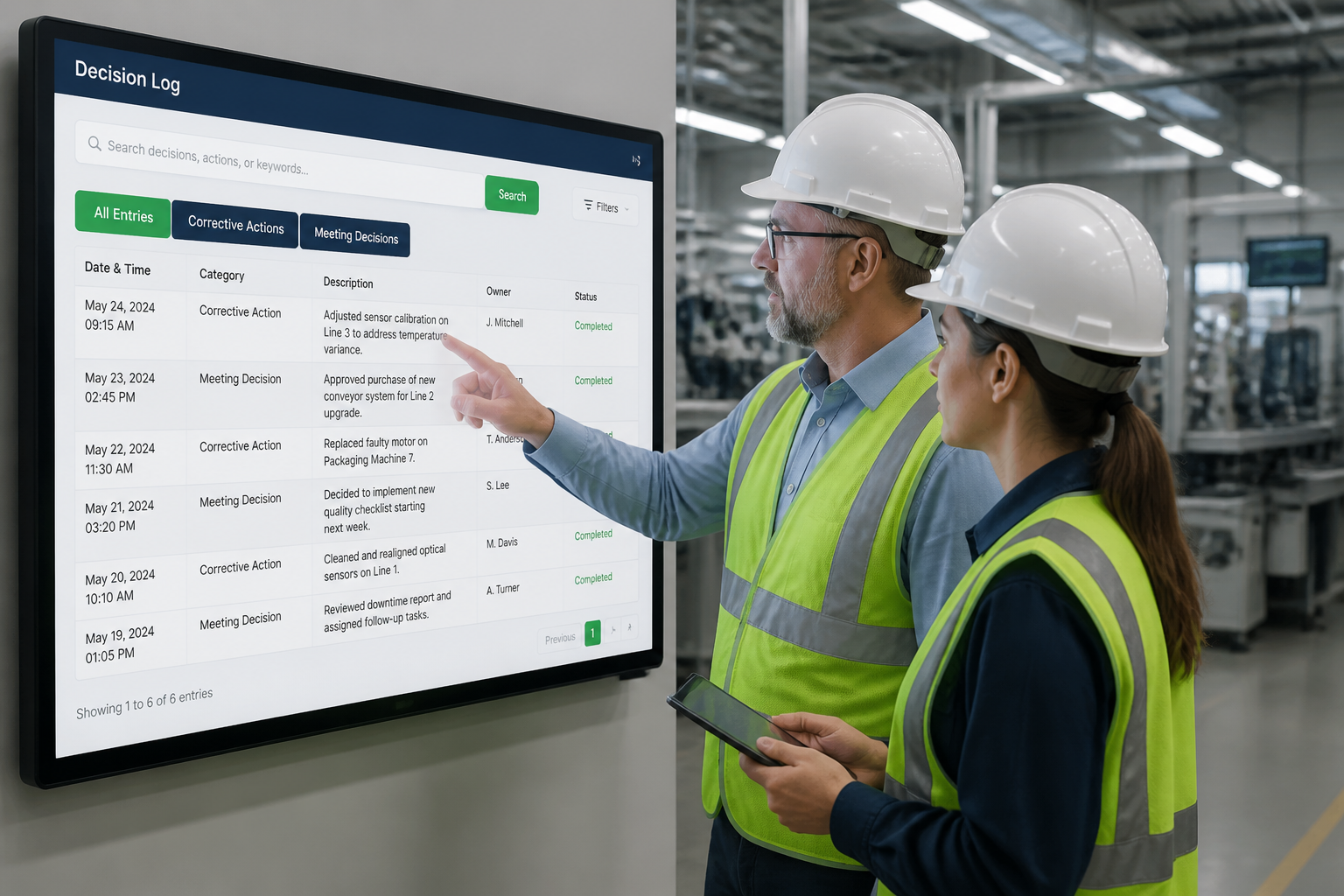
Data and insights are only valuable if they lead to action. A top-tier MIP moves beyond just visualization and provides tools that empower your frontline teams to solve problems and standardize work. The platform should help you digitize daily management meetings, track issues, and manage corrective actions in a closed-loop system. By providing a tool for lean operations, you can ensure that when a problem is identified on a dashboard, a clear workflow is triggered to assign tasks, track progress, and verify the solution. This connects your people directly to the data, creating a culture of accountability and continuous improvement right on the shop floor.
A Scalable, Modular Architecture
Every factory is unique, and your digital transformation journey should be too. Avoid rigid, monolithic systems that require a massive “rip-and-replace” overhaul of your existing technology. Instead, look for a platform with a flexible and scalable architecture. A modular approach allows you to start with the solution that addresses your most urgent need, whether it’s connecting machines, organizing frontline workflows, or implementing predictive analytics. As your plant matures, you can add new capabilities without disrupting what’s already working. This ensures a faster time-to-value, a clearer ROI, and a digital solution that evolves with your business, fitting into your environment rather than forcing you to change everything at once.
Key Benefits of a Manufacturing Intelligence Platform
Adopting a manufacturing intelligence platform is about more than just collecting data; it’s about turning that data into tangible business outcomes. When you connect your systems, processes, and people, you create a foundation for significant improvements across the board. The right platform translates real-time insights into lower costs, higher output, and smarter, faster decisions that drive your entire operation forward.
Get Your ROI Report
Reduce Downtime and Operating Costs
Unexpected downtime is one of the biggest drains on profitability. A manufacturing intelligence platform helps you shift from a reactive “break-fix” model to a proactive, predictive one. By analyzing real-time data from your equipment, the system can identify early warning signs of potential failures. This allows your team to perform prescriptive maintenance before a breakdown occurs, minimizing costly interruptions and extending the life of your assets. This data-driven approach also uncovers hidden inefficiencies and sources of waste, giving you the insights needed to streamline operations and reduce manufacturing costs across the plant.
Increase Throughput and Productivity
Are hidden bottlenecks slowing down your production lines? A manufacturing intelligence platform provides the end-to-end visibility needed to see how your entire factory is performing as one cohesive system. It helps you pinpoint constraints that limit your output and gives your teams the tools to resolve them quickly. By optimizing production flows and ensuring equipment is running at peak performance, you can increase throughput without significant capital investment. This makes your operations faster and more efficient, helping your team consistently meet and exceed its productivity targets shift after shift. A Agentic MES component is often key to achieving this level of operational control.
Make Faster, Data-Driven Decisions
In a traditional factory setting, critical information is often siloed in different systems or trapped on spreadsheets, making it difficult to get a clear picture of what’s happening. A manufacturing intelligence platform breaks down these barriers by unifying data from the factory floor to the top floor. It presents information in a single, shared view, like a manufacturing control tower, so everyone is working from the same playbook. This eliminates decisions based on gut feelings or outdated reports. Instead, your leaders can make confident, informed choices in real time to address issues, capitalize on opportunities, and steer the business with greater agility.
Create a Shared Operating Rhythm
Consistency is the key to operational excellence. A manufacturing intelligence platform helps standardize processes and align your entire team around a single source of truth. It provides a structured way for frontline workers to manage daily tasks, escalate issues, and participate in continuous improvement. By creating a unified system for communication and action, you can establish a shared operating rhythm that keeps everyone in sync. This approach also helps capture the tribal knowledge of your most experienced employees and makes it accessible to all, ensuring that best practices are followed across every line and every shift with tools like a Lean Operations Optimizer.
Is a Manufacturing Intelligence Platform Right for Your Factory?
Deciding to adopt a new technology platform can feel overwhelming, but it doesn’t have to be. A Manufacturing Intelligence Platform isn’t just another piece of software; it’s a strategic move toward a more connected, efficient, and proactive operation. The real question isn’t whether the technology is powerful enough, but whether your factory is ready to use that power. Answering this involves looking inward at your current processes, your team’s readiness for change, and your long-term business goals.
Instead of getting lost in technical specifications, focus on three practical considerations. First, take an honest look at your plant’s current digital capabilities. Where are you on the path to digital transformation? Second, think about implementation. Are you looking for a solution that works with your existing infrastructure, or are you prepared for a complete overhaul? Finally, consider the business impact. How quickly do you need to see a return on your investment? Thinking through these questions will help you determine if a MIP is the right next step for your factory and what kind of platform will be the best fit.
Assess Your Digital Maturity Level
Before you can plan your destination, you need to know your starting point. Assessing your digital maturity means understanding where your factory currently stands with data collection, analysis, and process automation. Are you still relying on paper and spreadsheets? Or do you have some digital systems in place, but they don’t talk to each other? A MIP can help at any stage, but knowing your maturity level helps you choose the right starting point. Implementing a MIP helps companies build a data-driven culture, which is key for reducing manufacturing costs and improving productivity. The goal isn’t to be perfect overnight, but to take a clear, intentional step forward from wherever you are today.
Choose Flexibility Over a Rip-and-Replace Solution
The thought of implementing new software often brings fears of a massive “rip-and-replace” project that disrupts operations for months. It doesn’t have to be that way. The best modern platforms are designed for flexibility. They can be set up on your own servers or in the cloud and, most importantly, can act as an overlay that connects with your existing systems like an MES or ERP. This approach allows you to enhance your current infrastructure without a complete overhaul. Look for a platform that meets you where you are, integrating with the tools you already have to unify your data and provide a single source of truth for your operations.
Prioritize Fast Time-to-Value and a Clear ROI
Any new investment must make business sense. A Manufacturing Intelligence Platform should help your operations become better, faster, and cheaper, delivering a clear and quick return on investment. This is often referred to as “time-to-value.” How long will it take to see tangible results like reduced downtime or increased throughput? Instead of a massive, all-or-nothing launch, look for a modular solution that lets you start with a specific, high-impact area. For example, you could begin by focusing on frontline team collaboration and issue resolution to quickly prove the platform’s value. This approach allows you to secure early wins and build momentum for broader digital transformation across the factory.
Common Implementation Challenges to Prepare For
Adopting a new manufacturing intelligence platform is a significant step in your factory’s digital journey. While the benefits are clear, any major technology implementation comes with its own set of hurdles. Thinking about these potential challenges ahead of time is the best way to ensure a smooth and successful rollout. It’s not about expecting problems, but about creating a smart plan that accounts for the realities of your current operations.
A successful implementation goes beyond just installing software. It requires a strategy for integrating new technology with your existing systems, getting your team on board, and ensuring the solution can grow with you. By preparing for these common challenges, you can turn potential roadblocks into stepping stones for a more connected and efficient factory. Let’s walk through the three most common areas to focus on: integrating legacy systems, driving user adoption, and ensuring security and scalability for the long haul.
Integrating Data from Legacy Systems
One of the first challenges many factories face is connecting the new platform to their existing equipment and software. Your plant likely runs on a mix of systems, from older machinery and PLCs to more modern ERP or MES solutions. A manufacturing intelligence platform is designed to pull data from all these disparate sources, but getting them to communicate effectively can be tricky. This is where data silos become a real problem, preventing you from getting a complete picture of your operations.
The key is to find a platform that is flexible enough to integrate with your current environment without forcing a costly “rip-and-replace” project. Look for solutions that offer a smart gateway or other connectors capable of translating data from various protocols and systems. The goal is to unify your IT and OT data into a single source of truth, giving you a holistic view of performance from the shop floor to the top floor.
Driving User Adoption and Managing Change
A powerful platform is only effective if your team actually uses it. Change can be difficult, and frontline workers may be hesitant to adopt new tools, especially if they seem complicated or disconnected from their daily work. If a platform feels like just another task instead of a helpful tool, user adoption will stall, and you won’t see the return on your investment. The human element is just as critical as the technology itself.
To manage this, prioritize a platform that is designed for the people on the shop floor. The interface should be intuitive, and the workflows should help them solve problems and collaborate more easily. Solutions that help organize daily meetings and track issues can demonstrate immediate value to the team. By focusing on tools that make their jobs easier and showing them how the platform helps them win their shift, you can turn resistance into enthusiastic adoption.
Ensuring Data Security and Scalability
When you connect your operational technology (OT) with your information technology (IT), you create a powerful flow of data. You also create a new set of security considerations. Protecting your sensitive production data from cyber threats is absolutely essential. At the same time, you need a solution that can grow with your business. A platform that works for a single production line should be able to scale across multiple lines, plants, and even geographies without a drop in performance.
Before committing to a platform, ask about its security architecture and scalability. A robust solution should be built to handle massive volumes of real-time data securely. It should also have a modular design, allowing you to start with the capabilities you need now and add more as your factory’s digital maturity grows. This approach helps you future-proof your investment and ensures your manufacturing intelligence platform can support your long-term operational goals.
Understanding the Cost of a Manufacturing Intelligence Platform
When you’re evaluating new technology, one of the first questions is always, “What’s this going to cost?” With a manufacturing intelligence platform (MIP), the answer isn’t a simple number on a price tag. The investment depends entirely on your factory’s specific needs, current digital maturity, and long-term goals. It’s less like buying a product off the shelf and more like designing a custom solution that grows with your operation. The final cost is shaped by the capabilities you need, how much you want to tailor the system, and how many people will use it.
Thinking about price also means thinking about value. A well-implemented MIP isn’t just an expense; it’s an investment that generates a clear return by reducing downtime, improving throughput, and enabling faster, smarter decisions on the shop floor. The key is to find a platform that aligns with your budget while providing the tools to solve your most pressing operational challenges. Understanding the variables that influence price will help you evaluate your options and build a business case for a platform that delivers a strong, measurable ROI.
Key Factors That Influence Price
The scope of features you choose is the biggest driver of your total investment. A basic platform for tracking a few key metrics will naturally cost less than a comprehensive system with real-time monitoring, advanced analytics, and predictive maintenance tools. As industry reports from Deloitte note, the more functions you want to connect and analyze, the more the price reflects that expanded capability. Customization also plays a role. If you need the platform to fit unique operational workflows or integrate with specialized legacy equipment, you can expect development and implementation costs to be higher. Finally, most pricing models account for scale, often charging per user or based on data volume, so it’s important to consider your future growth.
Comparing Modular vs. All-in-One Pricing
You will generally encounter two pricing structures: modular and all-in-one. A modular approach allows you to start with the specific tools you need right now and add more capabilities later. This is an effective way to manage initial costs and scale your digital transformation at your own pace, beginning with a high-impact area like production visibility before expanding. On the other hand, an all-in-one platform bundles everything together for a single, often higher, upfront price. While the initial investment is larger, these solutions can simplify things by providing a fully integrated suite from day one. The right choice depends on your budget, operational priorities, and long-term strategy for building your digital factory.
Related Articles
- AI Problem Solving Platform for Manufacturing: A Guide
- The Guide to AI Operations Optimization Tools for Factories
- AI-Powered Manufacturing Control Tower: A Guide
- Leverage collective intelligence in a manufacturing environment. knowledge sharing a 363110
- Smart Manufacturing Archives – Decisyon
Frequently Asked Questions
My factory has a lot of older equipment. Can a manufacturing intelligence platform still work for us? Absolutely. A good manufacturing intelligence platform is designed specifically to connect with a mix of both old and new systems. It uses tools like smart gateways to pull data from your legacy machines and PLCs, bringing them into the same modern system as your other software. The goal is to create a bridge to your existing technology, not force you to replace everything at once.
We already have an MES. Isn’t a manufacturing intelligence platform just the same thing? That’s a common question. While a Manufacturing Execution System (MES) is great for managing tasks on the factory floor, it often operates as its own island of information. A manufacturing intelligence platform acts as a layer on top of your existing systems, including your MES. It connects your MES with other tools like your ERP and quality software to create a single, unified view of your entire operation, from business goals down to machine performance.
How long will it take before we start seeing actual improvements? The time to see results can be surprisingly fast, especially if you choose a modular platform. Instead of a massive, year-long project, you can start with a specific, high-impact area, like digitizing your team’s daily meetings and issue tracking. This approach often delivers tangible improvements in communication and problem-solving within weeks, proving the value of the investment quickly and building momentum for bigger goals.
My team is used to doing things their way. How can I get them to actually use a new platform? The key is to show them how the platform makes their jobs easier, not harder. The best systems are designed with the frontline user in mind, featuring intuitive dashboards and simple workflows that feel natural. When your team sees that the tool helps them solve problems faster, track their performance clearly, and collaborate more effectively with their peers, they’ll be much more likely to embrace it. It’s about providing a tool that helps them win their shift.
Do we need to commit to a huge, expensive system all at once? Not at all. In fact, it’s often better to avoid that. Look for a platform that offers a modular approach, which allows you to start small by addressing your most urgent problem first. You could begin by connecting a few critical machines or by organizing your frontline team’s workflows. You can then add more capabilities as your needs grow and your budget allows, ensuring each step of your investment delivers a clear return.