Every manufacturing plant holds Tier meetings. Most start on time. Most discuss the right issues. Yet many of the actions agreed during those meetings never get completed.
Walk into almost any manufacturing plant at 6:55 a.m. and you'll see the same routine. The Tier 1 meeting begins. Yesterday's safety incidents, quality issues, production results, delivery performance, and improvement actions are reviewed. Owners are assigned, deadlines are discussed, and everyone leaves believing the right priorities have been set.
By mid-morning, reality begins to diverge.
Supervisors return to production. Whiteboards are photographed. Notes remain in notebooks. A few actions make it into spreadsheets. Others are forgotten until the next shift. By tomorrow's meeting, many of the same issues are discussed again.
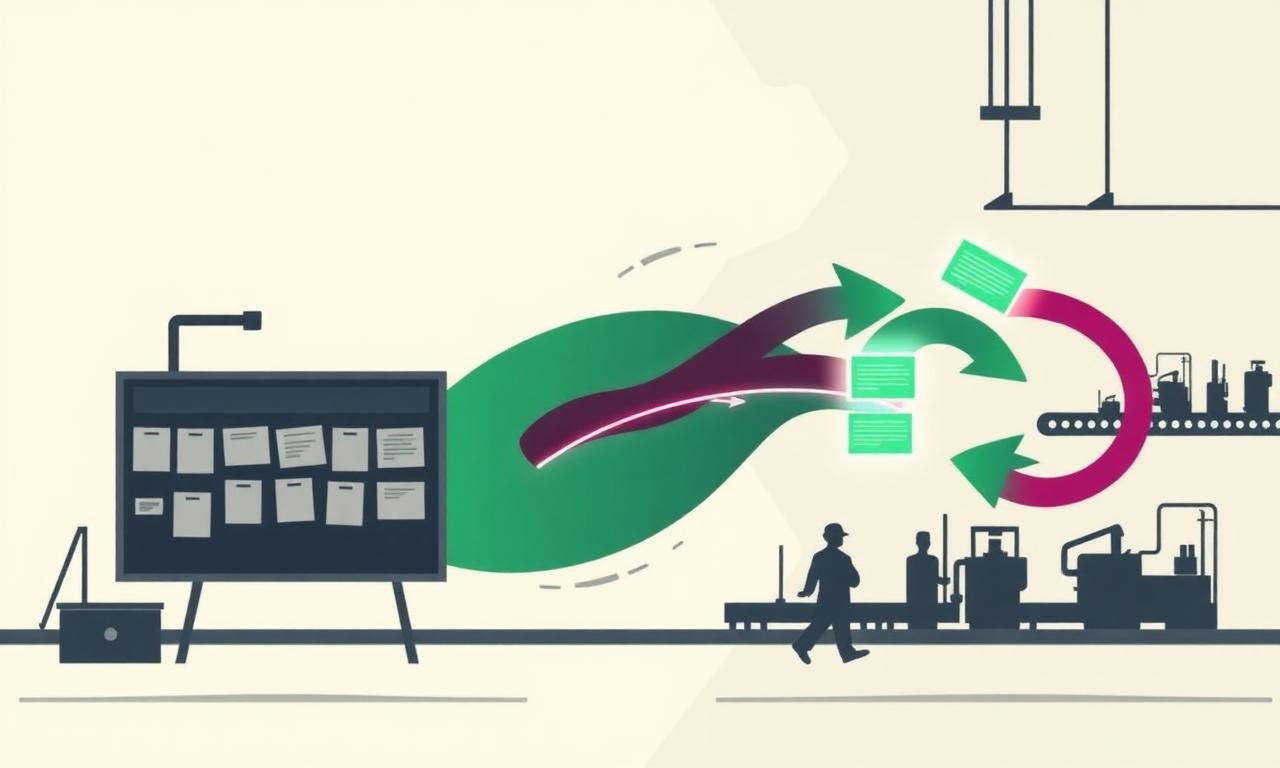
The problem isn't the meeting. The problem is that nothing reliably connects the conversation to execution. That execution gap costs manufacturers far more than they realize.
Tier Meetings Were Never the Goal
Tier meetings are one of the most valuable disciplines in Lean Manufacturing because they create alignment across every level of the organization.
The purpose is to ensure that every issue becomes an action, every action has an owner, and every owner is held accountable until the problem is resolved.
When that chain breaks, every meeting that follows is built on incomplete information.
Why Food & Beverage Plants Feel It First
Every manufacturing sector depends on disciplined execution, but Food & Beverage plants operate under conditions where small failures quickly become expensive.
- A missed quality action can become product waste.
- A delayed response to a temperature excursion can reduce yield.
- An unresolved changeover issue can repeat across multiple production runs.
Every shift introduces hundreds of operational decisions. Most aren't strategic. Yet collectively they determine Overall Equipment Effectiveness (OEE), service levels, product quality, and profitability.
Success depends less on holding good meetings than on ensuring every decision made during those meetings is executed.
Where Execution Breaks
After observing hundreds of daily operational meetings across manufacturing plants, the same four failures appear repeatedly.
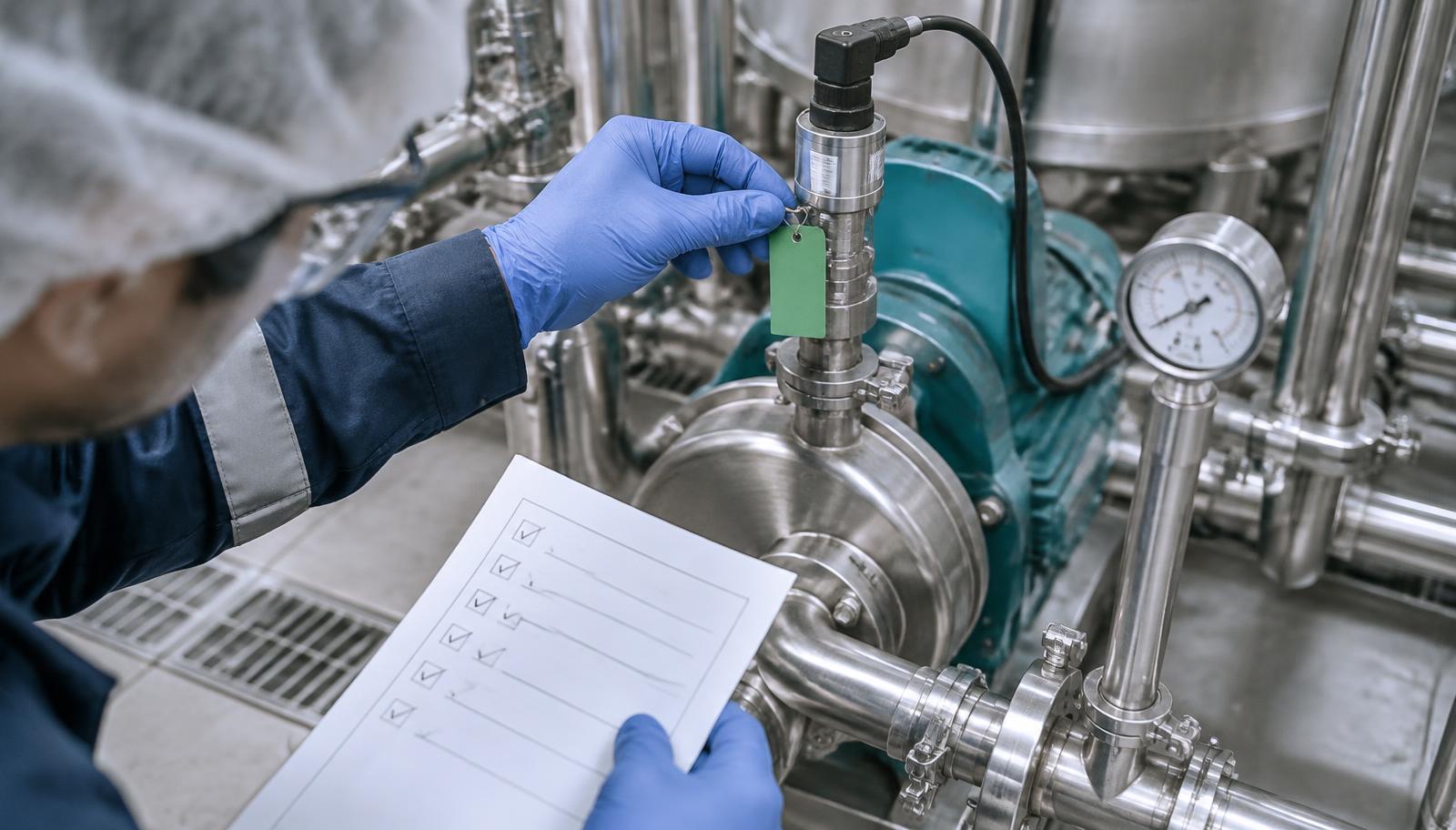
- Actions remain on the board instead of entering a system. A whiteboard records the discussion, but it rarely becomes the operational system of record. By the next shift, actions are scattered across photos, notebooks, emails, or memory.
- Managers spend more time updating meetings than improving operations. Preparing Tier 2 and Tier 3 often means manually collecting yesterday's actions, updating spreadsheets, and rebuilding presentation boards instead of solving problems.
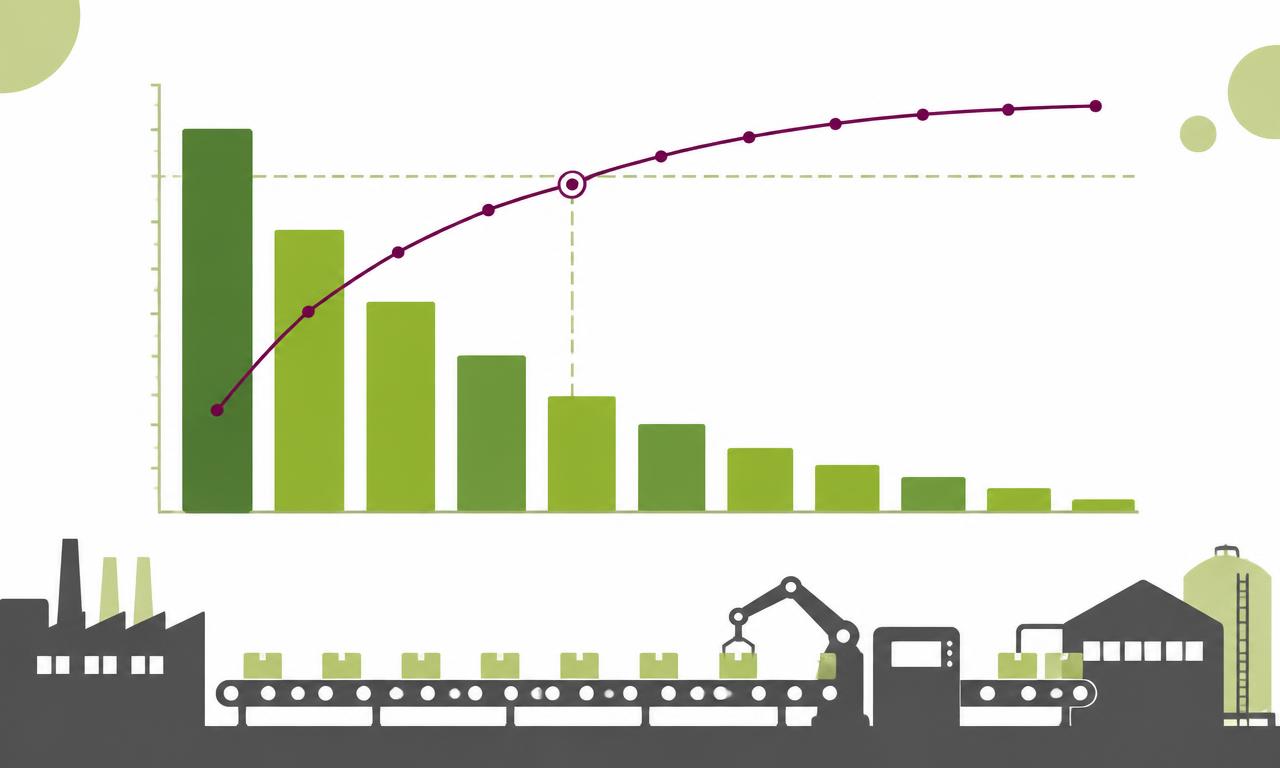
- Repeat issues remain invisible. The same micro-stop, quality deviation, or changeover issue occurs repeatedly, but because each event is documented independently, patterns remain hidden until significant losses have already accumulated.
- Escalation depends on people noticing. Critical actions are rarely escalated automatically when deadlines are missed. Instead, they surface days later during another meeting, after production has already been affected.
These are not meeting problems. They are execution problems.
AI Should Execute the Meeting, Not Just Summarize It
Much of today's discussion around AI focuses on meeting transcripts, summaries, or sentiment analysis. Those capabilities are useful. They are also insufficient.
Manufacturers don't need another meeting summary. They need every action captured, assigned, tracked, and escalated automatically before the meeting ends.
Instead of acting as a transcription tool, Decisyon's AI Agent captures actions, assigns owners, records due dates, links work to the correct production line and SQDIP category, and immediately places everything into the operational workflow.
When Tier 2 begins, managers are working from live operational data — not yesterday's whiteboard photo. Execution starts the moment the meeting ends.
What This Looks Like in Practice
The impact is already visible in real manufacturing environments.
Abafoods
Abafoods, part of Ecotone and one of Europe's leading producers of plant-based beverages, digitalized its shop-floor execution process using Decisyon's operational excellence application LOOP. LOOP is Decisyon's AI-powered operational excellence application that transforms Tier meetings into measurable execution by capturing, assigning, tracking, and escalating every operational action in real time.
The results included:
- More than 150 users collaborating in one operational system.
- Reduced internal non-conformities.
- Improved production plan conformance.
- Higher customer service levels.
The biggest improvement wasn't simply digitizing meetings. It was creating a continuous execution process that connected operators, supervisors, and managers in real time.
Global Frozen Dessert Manufacturer
Another multinational Food & Beverage manufacturer implemented Decisyon's operational execution platform across its manufacturing network.
The results included:
- Approximately $3 million of additional annual value per plant.
- Improved Overall Line Effectiveness (OLE).
- Reduced raw material waste.
- Deployment completed in weeks rather than months.
The return came from faster execution.
From Daily Meetings to Daily Execution
Most manufacturers already know how to conduct effective Tier meetings. The opportunity isn't to improve the meeting itself. The opportunity is to eliminate everything that happens after the meeting that slows execution.
- When actions are captured automatically...
- When accountability follows every issue...
- When escalation happens without manual intervention...
- When recurring problems become visible immediately...
...it becomes a true operational execution system.
Execution Is the Competitive Advantage
Manufacturers will continue investing in AI over the coming decade, but the greatest returns won't come from software that simply reports what happened yesterday.
They will come from systems that improve what happens next.
At Decisyon, we believe the future of manufacturing isn't about smarter dashboards or better meeting software. It's about creating an AI-Powered System of Execution: one that ensures every operational decision becomes measurable action, every action is tracked to completion, and every improvement compounds across every shift, every plant, and every enterprise.
Because manufacturers don't become world-class by holding better meetings. They become world-class by executing better than everyone else.
That's why we believe the next generation of manufacturing software won't be judged by the quality of its dashboards — it will be judged by the quality of the execution it enables.
Related reading: Daily Management System: How to Build One That Actually Runs the Plant.