Six months after a kaizen event, pull the metric the event was supposed to fix. More often than not, it's drifted most of the way back to where it started. Not collapsed — drifted. The changeover that dropped from 40 minutes to 25 is back to 33. The scrap rate that fell to 2% is sitting at 3.4%. Nobody sabotaged it. Nobody even noticed it happening.
Continuous improvement people have a name for this: kaizen fade. It's one of the most consistent findings in Lean literature and one of the least discussed at the leadership level, because it's an uncomfortable thing to report upward. The event worked. The team did the work. The gain still didn't hold.
Most conversations about why CI programs stall focus on culture — not enough buy-in, not enough leadership visibility, not enough time protected for improvement work. All real. None of it explains why programs with strong culture and genuine leadership support still watch their gains erode. The culture explanation lets the method off the hook. It's worth asking a harder question: is fade a people problem, or is it what happens by default when an improvement program was never built to sustain anything past the event that produced it?
The event is designed to produce a change. Almost nothing is designed to hold it.
A kaizen event, an A3, a DMAIC project — they're all built the same way. Structured effort, cross-functional attention, a clear root cause, a tested countermeasure, a documented new standard. That machinery is genuinely good at producing a fix.
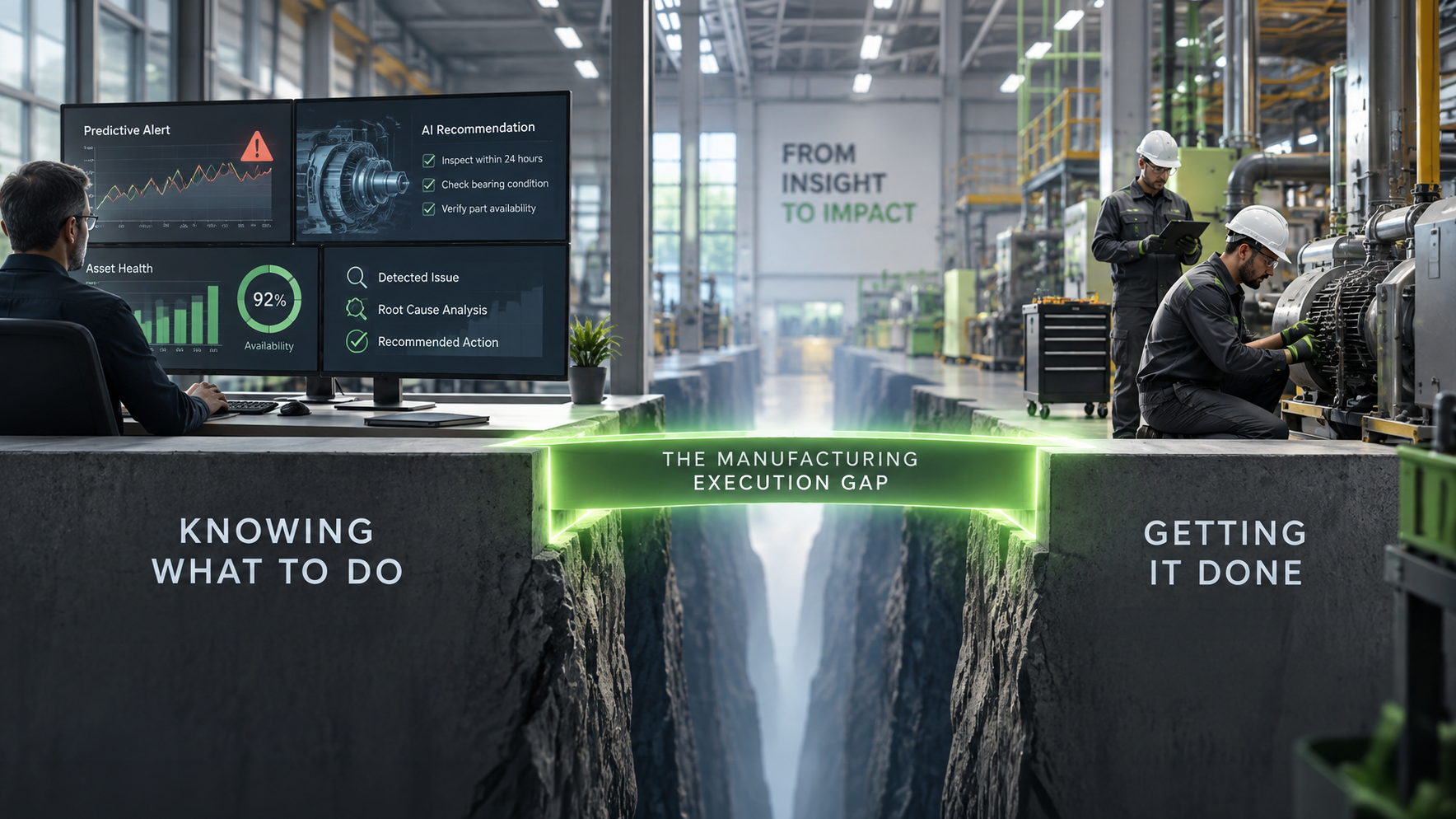
Then the event ends, the team disperses back into their regular jobs, and the thing that's supposed to keep the new standard alive is usually a laminated sheet on the wall and the goodwill of whoever remembers to check it. There's no equivalent machinery for sustainment. Nobody's job is to verify, shift after shift, that the new changeover sequence is still the one people are actually running. The verification step — did the fix hold, not just did we do the fix — is the one everybody skips, because nothing in the program requires it.
This is the actual mechanism behind fade. It isn't that people forget the standard. It's that drift is invisible without verification, and verification was never built into the loop. The standard degrades one small deviation at a time, each one reasonable in the moment — a supervisor short a person runs the old sequence just this once, a new hire was never trained on the update, a changeover gets rushed during a rate crunch and the shortcut sticks. None of it gets flagged, because nothing is checking.
The second failure: the fix that already exists gets solved again from zero
There's a second, quieter version of the same problem. A plant solves a defect. Three months later, a different shift — or a sister plant — hits the identical failure and starts from a blank sheet, because the first fix lives in a project file, a departed engineer's head, or a language nobody on the second team reads.
This isn't a knowledge-management footnote. In a multi-line, multi-plant operation, it's a direct multiplier on how much CI capacity gets wasted re-diagnosing problems the organization already has an answer for. The fix exists. It just isn't reachable by the person who needs it, at the moment they need it, in a form they can act on before the next changeover.
What actually changes the sustainment math
Neither of these gaps closes with more dashboards. A dashboard reports the drift; it doesn't stop it. What changes the math is giving verification and reuse a permanent home in the daily operating rhythm of the plant — not a project artifact that exists for the duration of the event and then gets archived.
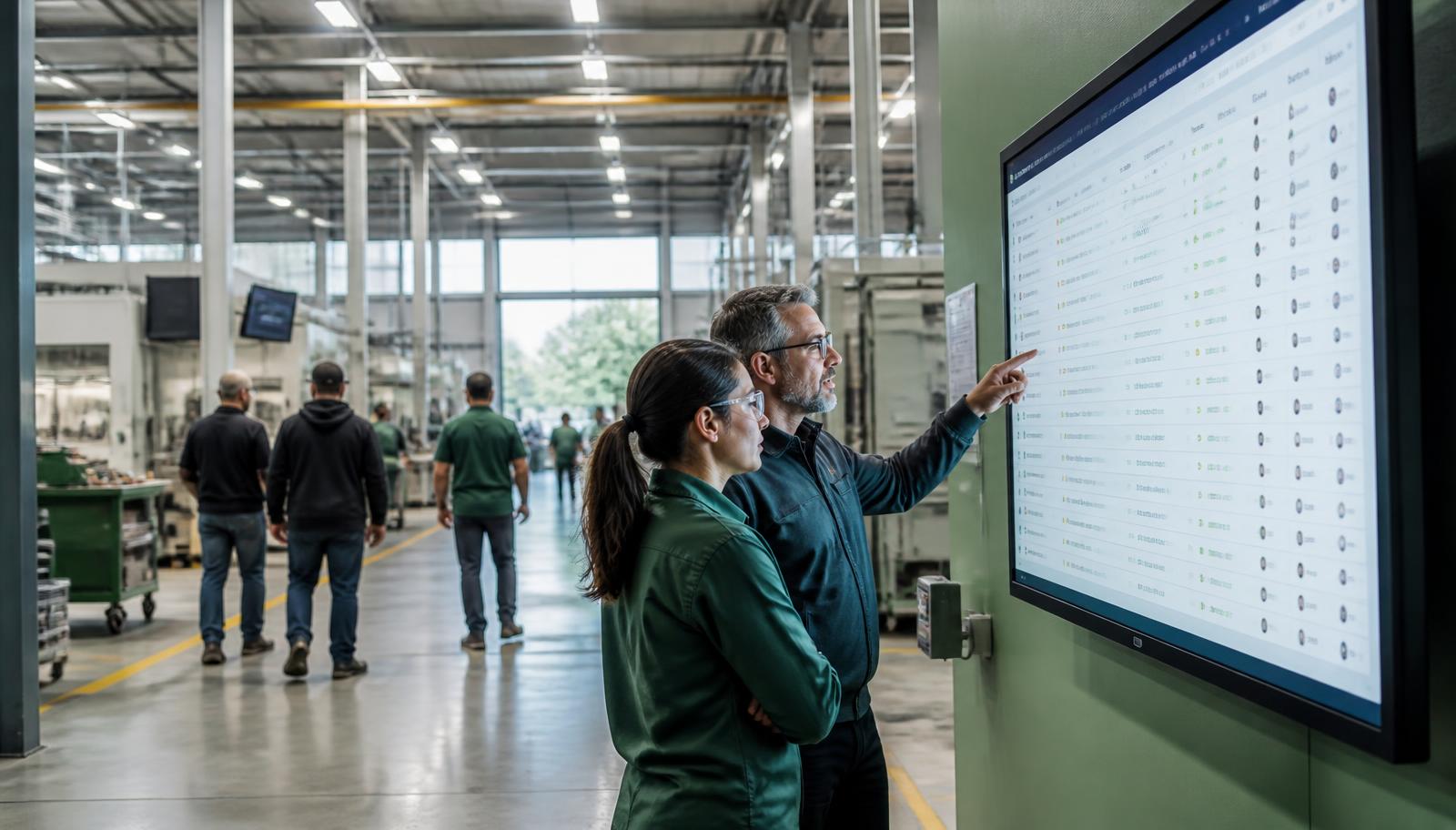
That's the specific gap Decisyon LOOP is built to close. LOOP runs the daily tier structure — the issue capture, the KPI review, the escalation — as a live system rather than a whiteboard and a spreadsheet, which means the new standard from last month's kaizen event is sitting inside the same system the floor already checks every shift, not a separate document nobody opens after week two. When the metric starts drifting back toward baseline, LOOP surfaces it against the target automatically and escalates it the way any other open issue escalates — before it's a surprise at next quarter's review, not after.
The reuse gap closes the same way, structurally rather than by asking people to remember. Every issue and every corrective action captured through LOOP becomes searchable across the network, so when a similar failure opens on a different line or a different plant, the system surfaces what already worked before anyone starts a fresh root-cause investigation. One of the AI agents running inside LOOP, Fix Finder, is built specifically for that moment — it matches a new issue against the plant's own resolved history and hands the operator the fix that already worked instead of a blank form. It's one piece of a larger system whose real job is making sure the daily rhythm of the plant is where verification and reuse live, not something bolted on after the fact.
Neither replaces the CI program most plants already run. Both replace the parts of it that were always going to depend on memory and goodwill — which is precisely the part that fails first.
What this looks like in practice
Schneider Electric didn't adopt a new improvement methodology — they gave their existing tier structure and problem-solving process a system that runs it every shift instead of a whiteboard that gets erased at the end of one. Running LOOP across more than 200 plants, the company captures issues and corrective actions in the same place the daily tier meetings happen, so a standard from a kaizen event is inside the system the floor checks every shift rather than a document nobody reopens after week two — and a fix found on one line is searchable by every other plant instead of staying local. The company reports a 4–5% lift in site performance, and the driver cited most consistently isn't a single breakthrough fix. It's follow-through that doesn't depend on who happens to be on shift, and one site's solved problem becoming visible to the next. Read the full breakdown →
Abafoods runs the same mechanism at a different scale. Corrective actions that used to take days to close now close in hours, because the action lives inside LOOP's daily workflow with an owner and an escalation path instead of a task that depends on someone remembering to chase it — and internal non-conformities have measurably dropped since. Same underlying shift: the action stopped being something a person had to hold in their head.
The reframe
Every plant already has some version of a CI program. Traditional CI programs are excellent at producing a fix and weak at proving it held. That's not a training gap or a culture gap — it's a structural one, and it's the reason well-run programs with genuinely engaged teams still watch their gains fade six months out. LOOP doesn't replace the Lean methodology already running the floor. It gives the standard a way to verify itself inside the same daily rhythm the plant already runs, and gives the fix a way to travel to the next person who needs it — the two things no laminated sheet on the wall, or CI program built only to produce the fix, was ever going to do on its own.