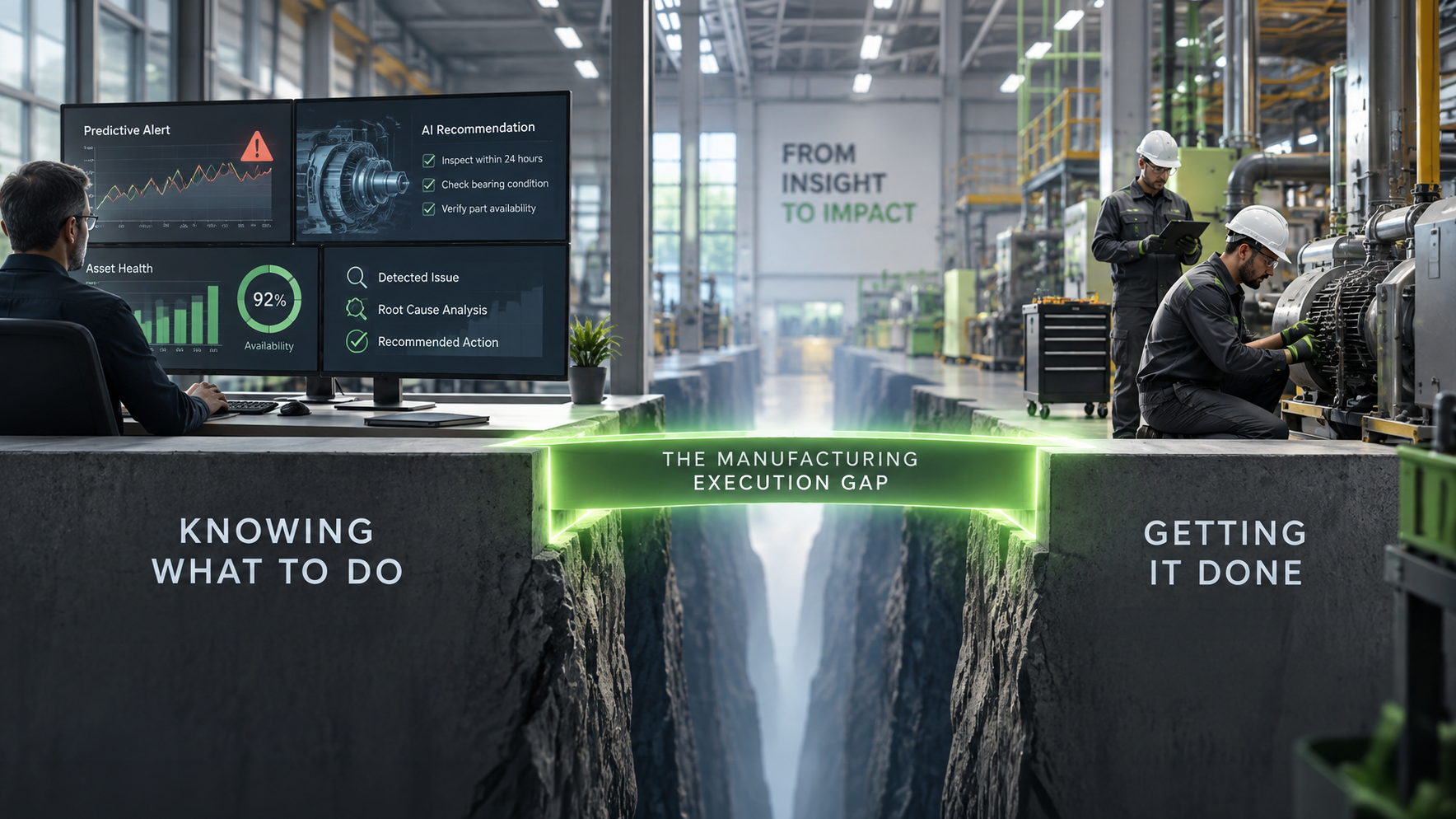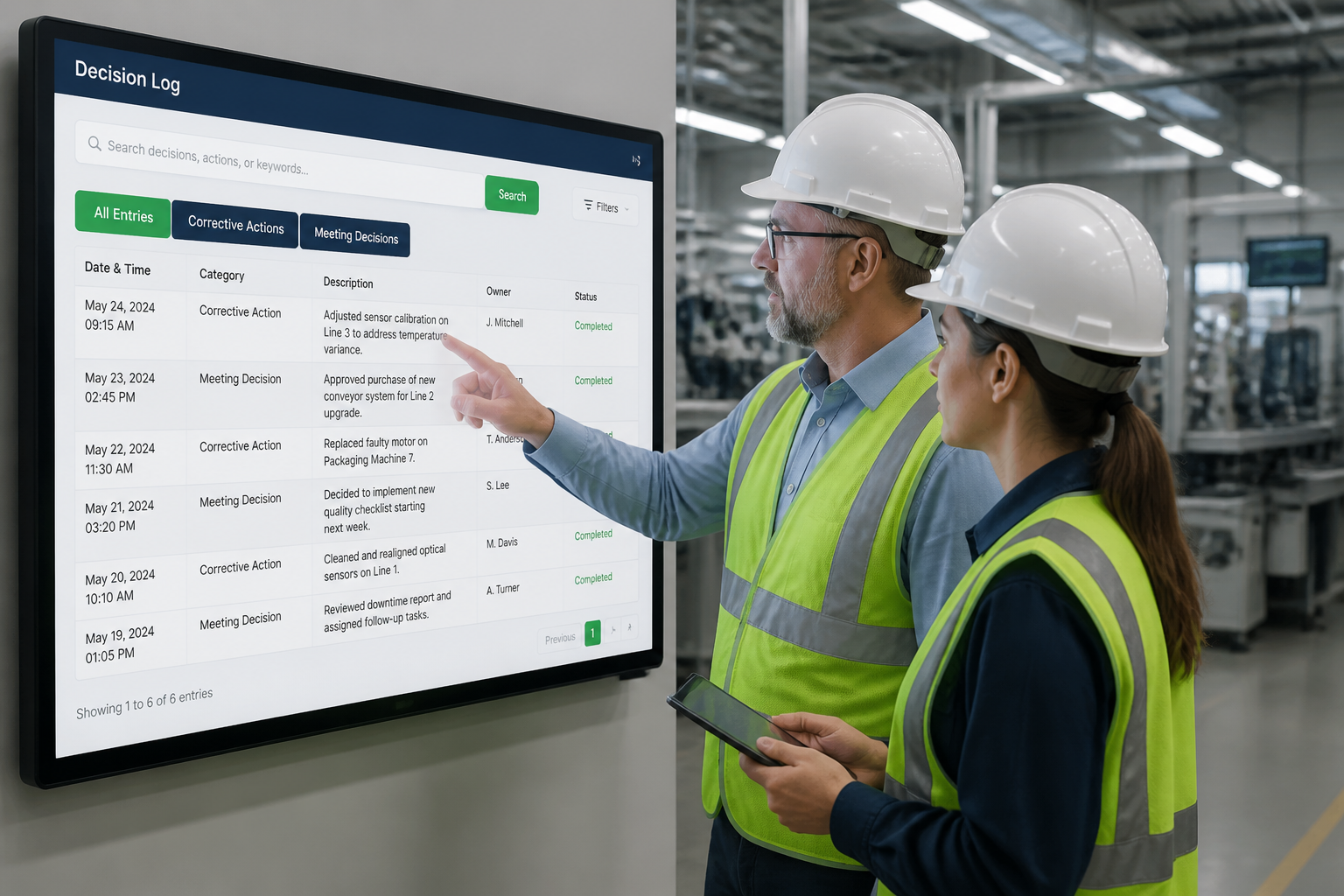

The true cost of a breakdown is rarely just the repair bill. It’s the lost production hours, the idle labor, the delayed shipments, and the potential damage to your customer relationships. These hidden costs silently drain profitability from your operation. A strategic framework called Enterprise Maintenance Optimization (EMO) is designed specifically to uncover and eliminate these expenses. By shifting your focus from costly emergency fixes to proactive, data-informed care, you can turn your maintenance budget into a predictable investment in reliability. This article explores the core strategies that form the foundation of EMO and shows you how to measure success in terms of real financial impact.
Key Takeaways
- Adopt a Strategic Maintenance Mindset: Stop treating maintenance as just a repair service and start seeing it as a core business function. A proactive strategy aligns maintenance activities with your company’s financial goals, turning your team into a key driver of operational stability and profitability.
- Use Data to Move Beyond Guesswork: Understand the four core maintenance strategies, from reactive to prescriptive, to see where you can improve. The key to advancing is using technology like IIoT sensors and AI to listen to your equipment, so you can make repairs based on real-time conditions instead of a fixed calendar.
- Build a Phased and Measurable Plan: Don’t try to overhaul everything at once; start with a pilot project on a critical asset to prove the value of predictive tools. By tracking key metrics like OEE and MTBF, you can demonstrate a clear return on investment and build the support needed for a wider rollout.
What Is Enterprise Maintenance Optimization?
Enterprise Maintenance Optimization (EMO) is a strategic approach that aligns your company’s maintenance activities with its larger business objectives. Instead of simply fixing equipment when it breaks, EMO involves creating a proactive, long-term plan to improve equipment reliability, minimize downtime, and reduce costs. It’s about shifting from a reactive mindset to a strategic one, ensuring your maintenance department actively contributes to operational efficiency and your company’s competitive advantage. This framework is essential for any organization looking to get the most out of its physical assets and move from daily chaos to daily control.
Get Your ROI Report
Why Your Maintenance Strategy Matters
A well-defined maintenance strategy is more than just a schedule for repairs; it’s a critical component of your operational success. By implementing a proactive approach, you can significantly reduce unexpected equipment failures, which means less lost production time. Regular, intelligent maintenance also extends the operational life of your machinery, saving you from costly replacements down the road. An optimized strategy helps you manage maintenance resources efficiently, leading to overall cost reductions. Furthermore, a robust plan ensures you adhere to industry regulations and, most importantly, creates a safer work environment by minimizing the risk of accidents from faulty equipment. A smart strategy directly impacts your ability to manage asset performance and protect your bottom line.
The Hidden Costs of Reactive Maintenance
Relying on a reactive maintenance model, where you only make repairs after a failure occurs, comes with significant hidden costs. The initial expense of an emergency repair is just the beginning. An unexpected breakdown can halt production, leading to delayed deliveries and damaging customer relationships. These emergency fixes are almost always more expensive than planned work, often requiring overtime pay and rushed parts shipping. Over time, this “run-to-failure” approach leads to more frequent equipment failures and a shorter asset lifespan. The lost revenue from production stoppages and the damage to your market reputation can quickly add up, far outweighing the perceived savings of skipping planned maintenance.
Know the 4 Core Maintenance Strategies
Choosing the right maintenance strategy is a lot like choosing a health plan for your equipment. You can wait for things to go wrong and deal with the consequences, or you can take proactive steps to keep everything running smoothly. Most plants use a mix of strategies, but shifting toward more proactive approaches is key to optimizing your operations. Understanding the four core types of maintenance is the first step in figuring out where you are and where you want to go. An effective enterprise maintenance strategy doesn’t just fix problems; it prevents them and helps you plan for the future with confidence.
These strategies represent a maturity curve, moving from chaotic and reactive to controlled and predictive. By identifying which strategies dominate your current operations, you can build a clear roadmap for improvement, reduce costs, and create a more stable, productive environment for everyone on the plant floor. The goal isn’t to eliminate one strategy completely, but to find the right balance that aligns with your business goals, equipment criticality, and operational budget. For example, a non-critical, easily replaceable component might be fine with a reactive approach, while a mission-critical machine demands a predictive or prescriptive strategy. Moving up this curve for your most important assets is the essence of maintenance optimization. Let’s break down each approach to see how they compare and what they mean for your factory’s performance.
Reactive: Fixing What’s Broken
Reactive maintenance is the classic “if it isn’t broken, don’t fix it” approach. You run your equipment until a part fails, and then your team springs into action to repair it. While this requires minimal planning upfront, it’s often the most expensive and disruptive strategy in the long run. Unplanned downtime can halt your entire production line, leading to missed deadlines and frustrated customers. Emergency repairs almost always cost more than planned ones due to rush shipping for parts and overtime for technicians. Relying solely on reactive maintenance means you’re always putting out fires instead of preventing them, which can create a stressful and chaotic environment for your team.
Preventive: Stopping Problems Before They Start
Preventive maintenance is a step in the right direction. This strategy involves performing scheduled maintenance tasks, like inspections, cleaning, and part replacements, at regular intervals. Think of it like getting a routine oil change for your car. You do it based on a set schedule (every 5,000 miles) to prevent engine trouble down the road. This approach helps extend the life of your assets and significantly reduces the chances of unexpected breakdowns. While it’s more organized than a reactive model, it’s not perfect. You might end up replacing parts that are still in good condition or performing maintenance more often than necessary, which can lead to wasted resources and unnecessary downtime.
Predictive: Using Data to Anticipate Failures
This is where things get really smart. Predictive maintenance uses real-time data from sensors on your equipment to monitor its condition and predict when a failure is likely to happen. Instead of relying on a fixed schedule, you perform maintenance based on the actual health of the asset. This data-driven approach allows you to spot the early warning signs of a problem, like unusual vibrations or temperature changes, and intervene before a breakdown occurs. It’s a core component of effective fleet maintenance management and is just as powerful on the plant floor. This strategy helps you optimize maintenance schedules, reduce costs, and minimize downtime by fixing the right things at the right time.
Prescriptive: Getting Ahead of “What’s Next”
Prescriptive maintenance is the most advanced strategy, taking predictive insights one step further. It doesn’t just tell you that a failure is likely; it tells you why it’s happening and recommends specific actions to prevent it. By using AI and machine learning to analyze historical and real-time data, this approach acts as an early warning system that also provides the solution. For example, it might not only predict a bearing will fail but also recommend adjusting the machine’s operating speed to extend its life until the next planned shutdown. This allows your team to get ahead of “what’s next” and make optimal decisions that improve both reliability and performance.
What Tech Powers Predictive Maintenance?
Predictive maintenance isn’t a single piece of software you install and forget. Think of it more like an ecosystem of technologies working together. It relies on a clear, logical flow: gathering data directly from your assets, using intelligent analysis to find meaningful patterns, and then turning those insights into concrete actions for your team. This connected approach is what transforms maintenance from a reactive, and often chaotic, chore into a proactive, data-driven strategy. At its core, predictive maintenance is about listening to your equipment, understanding what it’s telling you, and acting on that information before a small issue becomes a major, production-halting shutdown.
The goal is to move beyond scheduled maintenance and fix things at the optimal time, saving both time and money. This requires a shift from relying on historical averages or gut feelings to trusting real-time data. It’s about creating a digital feedback loop where your machines communicate their health status continuously, allowing you to intervene with precision. This isn’t science fiction; it’s a practical application of modern technology that leading manufacturers are using to gain a competitive edge. Let’s look at the key technological components that make this powerful strategy a reality on the plant floor.
Connect Your Equipment with IIoT Sensors
The foundation of any predictive maintenance program is data, and that data comes directly from your machines. This is where the Industrial Internet of Things (IIoT) comes in. By attaching small, rugged sensors to your critical assets, you can capture real-time information about their operating conditions. These sensors can monitor everything from vibration and temperature to pressure and acoustics. This constant stream of data provides a detailed, second-by-second health report for each piece of equipment. Instead of relying on manual inspections or fixed schedules, you get an accurate, live feed of what’s actually happening on the plant floor. This is the raw material that allows you to anticipate failures and schedule repairs at the optimal time.
Apply AI and Machine Learning to Your Workflows
Collecting data is just the first step. The real power comes from making sense of it. This is where artificial intelligence (AI) and machine learning (ML) become essential. These intelligent algorithms analyze the vast amounts of data from your IIoT sensors and compare it against historical performance and failure patterns. AI can analyze past data to predict when a specific part will likely fail, often identifying subtle changes that a human operator would miss. By recognizing these patterns, ML models can forecast potential breakdowns with a high degree of accuracy. This allows you to move from simply reacting to alarms to proactively addressing issues based on data-driven predictive intelligence.
Integrate Your Data with Cloud Platforms
Good, reliable data is essential for accurate predictions, but it’s often scattered across different systems. You might have equipment data from sensors, work order history in your CMMS, and production schedules in your ERP. A successful predictive maintenance strategy requires bringing all this information together. Cloud platforms provide the scalable and flexible environment needed to integrate these disparate data sources. By creating a single, unified view of your operations, you break down information silos and give your AI models the complete context they need to make accurate forecasts. This holistic approach ensures that your maintenance decisions are based on a 360-degree view of your entire enterprise.
Centralize Information with a CMMS
Once your AI model predicts a potential failure, what happens next? The insight is only valuable if it leads to action. This is where a Computerized Maintenance Management System (CMMS) or a similar system for action management comes into play. A CMMS acts as the central hub for all maintenance information and workflows. When a predictive alert is triggered, it can automatically generate a work order, assign the right technician, and order the necessary parts. This automates the response process, ensuring that insights are acted upon quickly and efficiently. By integrating your predictive analytics with a CMMS, you close the loop from detection to resolution, making your entire asset performance management strategy more effective.
How Predictive Maintenance Improves Efficiency
Predictive maintenance fundamentally changes how you manage your factory floor. Instead of reacting to breakdowns or sticking to a rigid, time-based schedule, you can use data to anticipate issues and act before they cause downtime. This proactive approach makes your operations more stable, predictable, and cost-effective. By analyzing real-time information from your equipment, you can pinpoint exactly when an asset needs attention, allowing you to schedule repairs at the most convenient and least disruptive time.
This shift from a reactive to a proactive stance is powered by a smarter use of your operational data. It’s about transforming the constant stream of information from your machines into clear, actionable insights. With the right tools, your team can move beyond firefighting and focus on strategic improvements that keep production running smoothly. This approach not only reduces unexpected failures but also helps you get the most out of every piece of equipment. The core of this efficiency gain comes from making data-driven decisions, detecting faults earlier, and optimizing your maintenance activities based on the actual health of your assets.
Move from Guesswork to Data-Driven Decisions
The first step toward efficiency is to stop guessing. For too long, maintenance decisions have relied on intuition or incomplete information. To make truly effective choices, your team needs good, reliable data. The problem is that this information is often scattered across different systems, like your MES, EAM, and various spreadsheets. A predictive strategy works by creating a “single source of truth” that connects these systems. This ensures everyone, from the plant manager to the frontline technician, is working with the same accurate information. By unifying your data, you provide your team with a complete picture of asset health, repair history, and performance trends, enabling them to make informed decisions that prevent failures.
Detect Faults Early with Real-Time Monitoring
Predictive maintenance uses real-time data from sensors on your equipment to understand what’s happening right now and to forecast what might happen next. By continuously monitoring variables like temperature, vibration, and pressure, AI-powered systems can learn the normal operating behavior of each asset. When the system detects a subtle deviation from this baseline, it flags a potential issue long before it becomes a critical failure. This early warning gives your team the time to diagnose the problem and plan a repair. Instead of being caught off guard by a sudden breakdown, you can address the issue proactively during a scheduled maintenance window, minimizing disruption to your production schedule.
Optimize Schedules Based on Actual Equipment Health
Once you can anticipate failures, you can revolutionize your maintenance scheduling. Rather than performing maintenance based on a fixed calendar (which often leads to unnecessary work or missed problems), you can schedule interventions based on the actual condition of your equipment. AI can help plan repairs, organize technician schedules, and ensure parts are available to get equipment back online faster. This condition-based approach ensures your team’s time and resources are focused where they are needed most. It eliminates wasted effort on healthy machines and directs attention to assets that are genuinely at risk, ultimately reducing maintenance costs and improving the overall reliability of your digital factory.
How to Transition from Reactive to Predictive Maintenance
Moving away from a “fix-it-when-it-breaks” mindset is a big step, but it’s more manageable than you might think. It’s a journey from daily chaos to daily control, and it starts with a clear, practical plan. This transition allows you to anticipate issues before they cause costly downtime, turning your maintenance team into a proactive force for stability. Let’s break down the four key steps to guide your factory from a reactive state to a predictive one.
Assess Your Current Maintenance Maturity
Before you can plan your route, you need to know your starting point. Take an honest look at how your team currently operates. Is maintenance a constant fire drill, responding only when equipment fails? Or do you have some preventive schedules in place? Understanding your maintenance maturity is about seeing it as a core business function, not just a repair service. It’s a strategic system for keeping your assets operational, safe, and cost-effective. Evaluating your current processes, data collection habits, and team skills will reveal where the biggest opportunities for improvement lie and help you build a business case for investing in better asset performance management.
Create a Single Source of Truth for Data
You can’t manage what you don’t measure, and you can’t predict what you can’t see. In many plants, critical data is scattered across spreadsheets, paper logs, and disconnected software systems. This makes getting a clear picture of asset health nearly impossible. The solution is to create a “single source of truth” by connecting these systems. By integrating data from equipment sensors, work orders, and your CMMS, you ensure everyone from the plant floor to the top floor is working with the same accurate information. A smart gateway can help you unify these disparate data sources without having to rip and replace your existing infrastructure, forming the data foundation for your predictive strategy.
Overcome Common Transition Challenges
Often, the biggest hurdle in shifting to predictive maintenance isn’t the technology; it’s the people. Teams are accustomed to their established routines, and it takes effort to get them to trust data-driven decisions over old habits. The key is to focus on change management. Involve your maintenance technicians and operators in the process from day one. Show them how real-time alerts and predictive insights can make their jobs easier by preventing stressful emergency repairs and weekend call-ins. When your team sees the technology as a tool that helps them succeed, you build the trust needed for a successful transition. Tools that help organize and streamline lean operations can align your team around these new data-driven workflows.
Build a Phased Roadmap with Your Team
Trying to implement predictive maintenance across your entire facility at once is a recipe for failure. Instead, build a phased roadmap and start with a pilot project. Choose one or two critical assets or a single production line where downtime is particularly painful. Define clear goals, like reducing unplanned stops by 20% in three months. This small-scale test allows you to prove the technology’s value, make adjustments, and generate an early win that builds momentum. This success makes it much easier to get buy-in for a wider rollout. A modular path to the Decisyon Digital Factory lets you start where you are and scale your efforts as you demonstrate ROI.
How to Measure Maintenance Success
You can’t improve what you don’t measure. Shifting to a more proactive maintenance strategy requires tracking the right key performance indicators (KPIs) to see what’s working and where you can find more opportunities for improvement. While every plant is different, a few core metrics are essential for understanding the health of your maintenance program. These KPIs help you connect maintenance activities directly to operational performance and your financial bottom line. By tracking them, you can build a clear picture of your progress and make a strong business case for future investments.
Overall Equipment Effectiveness (OEE)
Think of Overall Equipment Effectiveness (OEE) as the gold standard for measuring manufacturing productivity. It’s a single, powerful metric that shows how well your equipment is running during its planned production time. OEE combines three critical factors into one score: availability (is the machine running when it should be?), performance (is it running as fast as it can?), and quality (is it producing good parts?). A low OEE score quickly points to underlying issues, whether they are frequent breakdowns, slow cycle times, or high defect rates. Improving your OEE is a direct path to increasing throughput without investing in new machinery.
Mean Time Between Failures (MTBF)
Mean Time Between Failures (MTBF) is a fundamental measure of your equipment’s reliability. In simple terms, it tells you the average amount of time a piece of equipment operates before it fails. You calculate it by dividing the total operational time by the number of breakdowns. A higher MTBF means your assets are more reliable, leading to less unplanned downtime and more predictable production schedules. Tracking MTBF is crucial for evaluating the effectiveness of your preventive and predictive maintenance efforts. As you get better at anticipating issues, you should see your MTBF steadily increase across critical assets, a clear sign your Asset Performance Management strategy is paying off.
Planned vs. Unplanned Maintenance Ratio
This ratio is a straightforward way to gauge how proactive your maintenance team is. It compares the hours spent on scheduled, planned maintenance against the hours spent on reactive, emergency repairs. A world-class maintenance organization aims for a ratio where over 85% of all maintenance work is planned. When you achieve a high planned maintenance ratio, it means you are controlling your operations instead of your operations controlling you. You experience fewer surprise breakdowns, less production chaos, and can schedule repairs during planned downtime, which is far less costly than an unexpected shutdown.
Maintenance Cost Per Unit
Ultimately, maintenance is an investment, and you need to know if it’s delivering a return. Maintenance Cost Per Unit connects your team’s work directly to financial performance. To find it, you divide your total maintenance costs (including labor, parts, and contractors) by the total number of units produced in the same period. This KPI helps you understand how efficiently you are spending your maintenance budget. If your maintenance costs per unit are decreasing while your MTBF and OEE are increasing, you have powerful proof that your maintenance optimization strategy is successfully driving profitability for the business.
What Are the Benefits of a Smarter Maintenance Strategy?
Shifting from a reactive “firefighting” mode to a proactive, intelligent maintenance strategy does more than just prevent breakdowns. It creates a ripple effect of positive change across your entire operation. When you can anticipate equipment needs instead of just reacting to failures, you gain control over your production schedules, costs, and long-term asset health. This transformation delivers tangible business benefits that directly impact your bottom line, improve safety on the plant floor, and build a more resilient and competitive manufacturing enterprise. The following benefits are not just abstract goals; they are concrete outcomes that modern factories are achieving by embracing data-driven maintenance. From reducing the immediate chaos of downtime to securing the long-term value of your capital assets, a smarter strategy is the foundation for operational excellence and sustainable growth in a competitive market. It is about moving your maintenance department from a cost center to a value driver, one that actively contributes to throughput, quality, and profitability.
Reduce Unplanned Downtime
Unplanned downtime is one of the biggest drains on a factory’s profitability. When a critical piece of equipment fails unexpectedly, production grinds to a halt, orders get delayed, and teams are left scrambling. A smarter, data-driven maintenance strategy turns this chaos into control. By using predictive insights to understand when a machine actually needs attention, you can schedule repairs during planned shutdowns or off-peak hours. This proactive approach ensures your assets are available and running when you need them most, leading to more consistent output, reliable production schedules, and fewer missed deadlines. It’s the difference between controlling your operations and having your operations control you.
Lower Maintenance Costs and Allocate Resources Better
Reactive maintenance is inherently expensive. It involves emergency repairs, expedited shipping for parts, and costly overtime for technicians. By preventing major breakdowns before they happen, a proactive strategy significantly lowers these overall costs. Catching a small issue early is far less expensive than dealing with a catastrophic failure later. This approach also allows you to allocate your resources more effectively. Instead of keeping your maintenance team in a constant state of emergency response, you can plan their work, optimize parts inventory, and turn your maintenance budget from a volatile variable into a predictable operational expense. This allows you to manage asset performance with financial foresight.
Extend Asset Lifespan
Your machinery represents a massive capital investment. Running equipment until it fails is one of the fastest ways to shorten its operational life and diminish that investment. A smarter maintenance strategy is like giving your equipment the precise care it needs to perform well for years to come. Regular, data-informed care helps your machines operate within optimal parameters, reducing wear and tear and preventing the cumulative damage that leads to premature failure. By extending the lifespan of your existing assets, you delay the significant capital expenditure required for new equipment and maximize the return on the investments you’ve already made.
Improve Safety and Compliance
A well-maintained plant is a safer plant. Equipment that fails without warning can pose a serious risk to your frontline workers. By identifying and addressing potential faults before they become critical, a proactive maintenance strategy is a direct investment in your team’s safety. It helps prevent accidents caused by mechanical failure and fosters a more secure working environment. Furthermore, this approach simplifies regulatory compliance. Many industries face strict standards for equipment safety and maintenance. A documented, data-driven maintenance program provides a clear audit trail, making it much easier to demonstrate compliance and avoid the risk of penalties or forced shutdowns.
Calculate Your Return on Investment (ROI)
Adopting new maintenance technology requires an upfront investment, but the return is often both significant and swift. The ROI is not just theoretical; it is calculated from concrete improvements across your operation. By reducing costly unplanned downtime, lowering emergency repair expenses, extending asset life, and avoiding safety-related incidents, the financial benefits add up quickly. Most large companies can expect to see a positive return on their investment in a new system within 12 to 18 months. By implementing prescriptive maintenance tools, you can track these gains and clearly demonstrate the powerful financial impact of moving to a smarter, more predictive strategy.
How Decisyon Helps You Optimize Maintenance
Making a smarter maintenance strategy a reality on your plant floor requires the right digital tools. A unified platform connects your people, equipment, and data, turning abstract goals like ‘predictive maintenance’ into a concrete, daily operating rhythm. Instead of juggling spreadsheets and whiteboards, your teams can see what’s happening in real time, align on priorities, and resolve issues before they cause major disruptions. The goal is to move from constant reaction to proactive control, and the right technology provides the foundation for that shift.
Use Asset Performance Management and Prescriptive Tools
Decisyon helps you move beyond simple preventive schedules by using powerful Asset Performance Management (APM) tools. By analyzing equipment data, the platform predicts potential failures before they happen, allowing you to schedule maintenance proactively and reduce costs. But it doesn’t stop at prediction. The system also offers prescriptive insights, recommending specific actions to resolve an issue or prevent it from occurring. This capability is crucial for minimizing downtime and optimizing your maintenance spend. It turns your maintenance team from firefighters into strategists, equipped with the data to make the best decisions for asset health and overall plant performance.
Gain Real-Time Visibility Across the Plant Floor
You can’t fix what you can’t see. Decisyon’s platform acts as a manufacturing control tower, giving your teams a live view of asset performance across the plant. By connecting to your machines and IIoT sensors, it streams real-time data on equipment health and other critical metrics. This continuous monitoring means anomalies are flagged the moment they occur, not hours later when a line is already down. With clear dashboards and instant alerts, your teams can collaborate to address potential problems immediately. This level of insight helps you increase operational efficiency and significantly reduce unexpected downtime.
Start with a Modular Path That Fits Your Needs
A full digital overhaul can feel overwhelming, which is why Decisyon is designed to meet you where you are. The platform offers a modular path to building your Digital Factory, so you don’t have to rip and replace existing systems. You can start with the solution that addresses your most pressing need, whether it’s organizing team workflows or digitizing equipment data. This flexible approach allows you to see value quickly and build momentum for your digital transformation journey. As your needs evolve, you can add more capabilities, ensuring your maintenance strategy grows with your business and continues to deliver returns.
Is Your Maintenance Strategy Ready for the Next Level?
If your maintenance plan is still focused on just fixing things when they break, it might be time to think bigger. A next-level approach treats maintenance as a core part of your business strategy, not just a reactive task. This is often called an Enterprise Maintenance Strategy, which is a complete plan that ensures your maintenance work directly supports your company’s main goals. It’s a long-term vision for optimizing equipment performance, minimizing downtime, and reducing costs. This moves you out of a constant break-fix cycle and into a more controlled, proactive state of operation.
For most manufacturers, advancing your strategy means shifting from preventive to predictive maintenance. While preventive maintenance is a good step, it relies on fixed schedules, which can lead to replacing parts that are still perfectly fine. A predictive maintenance model uses real-time data from sensors on your equipment to spot the earliest signs of a potential issue. This allows your team to intervene precisely when needed, preventing failures before they happen and turning your maintenance department into a strategic driver of efficiency.
To make this work, you need reliable data. Creating a “single source of truth” by integrating your various data systems is essential. When everyone from the plant floor to the front office has access to the same accurate and consistent information, you can make truly data-driven decisions. This unified view is the foundation for optimizing schedules, improving parts management, and ultimately lowering your overall maintenance costs. The first step is to assess your equipment to understand its importance to your operations. From there, you can build a detailed plan for monitoring your most critical assets and begin your journey toward a smarter, more resilient maintenance strategy with effective asset performance management.
Related Articles
- Prescriptive Maintenance
- 9 Advantages of Preventive Maintenance for Your Biz
- Predictive Maintenance to Cut Downtime & Costs | Decisyon
- Top 10 Predictive Maintenance Software for Manufacturing
Frequently Asked Questions
What’s the real difference between predictive and prescriptive maintenance? Think of it this way: predictive maintenance is like a weather forecast that tells you it’s going to rain. It uses data to warn you that a piece of equipment is likely to fail soon. Prescriptive maintenance is like that same forecast also telling you to take a specific route to avoid traffic and to bring an umbrella. It not only predicts the failure but also recommends the best course of action to prevent it or minimize its impact, helping your team make the smartest possible decision.
Do I have to replace my current CMMS or other software to implement this? No, you shouldn’t have to. A modern maintenance platform is designed to work with the systems you already have in place. It acts as an intelligent layer that connects to your existing CMMS, MES, and equipment sensors. The goal is to unify all that scattered data into one clear picture, not to force you into a disruptive and costly “rip and replace” project.
This sounds like a huge project. What’s the best way to start without overwhelming my team? The key is to start small and prove the value quickly. Don’t try to transform your entire factory at once. Instead, choose a pilot project focused on one or two of your most critical assets or a single production line where downtime is especially painful. By setting a clear goal for that one area, you can demonstrate a tangible win, learn what works for your team, and build momentum for a wider rollout.
How do I get my experienced technicians to trust this new technology? This is a crucial step, and it’s all about showing your team how the technology helps them, rather than replaces them. Involve your technicians in the process from the start. Frame these new tools as a way to prevent stressful emergency repairs and weekend call-ins. When they see that data-driven alerts give them more control and lead to more planned, organized work, they will begin to trust it as a powerful assistant that makes their jobs easier and more strategic.
How quickly can I expect to see a financial return from improving our maintenance strategy? While every facility’s situation is unique, the return on this kind of investment is quite direct. It comes from concrete savings, like spending less on overtime for emergency repairs and losing less revenue from unplanned production stops. Many manufacturers start to see a positive financial return within 12 to 18 months. Starting with a focused pilot project on a high-impact area often helps you demonstrate that value even faster.