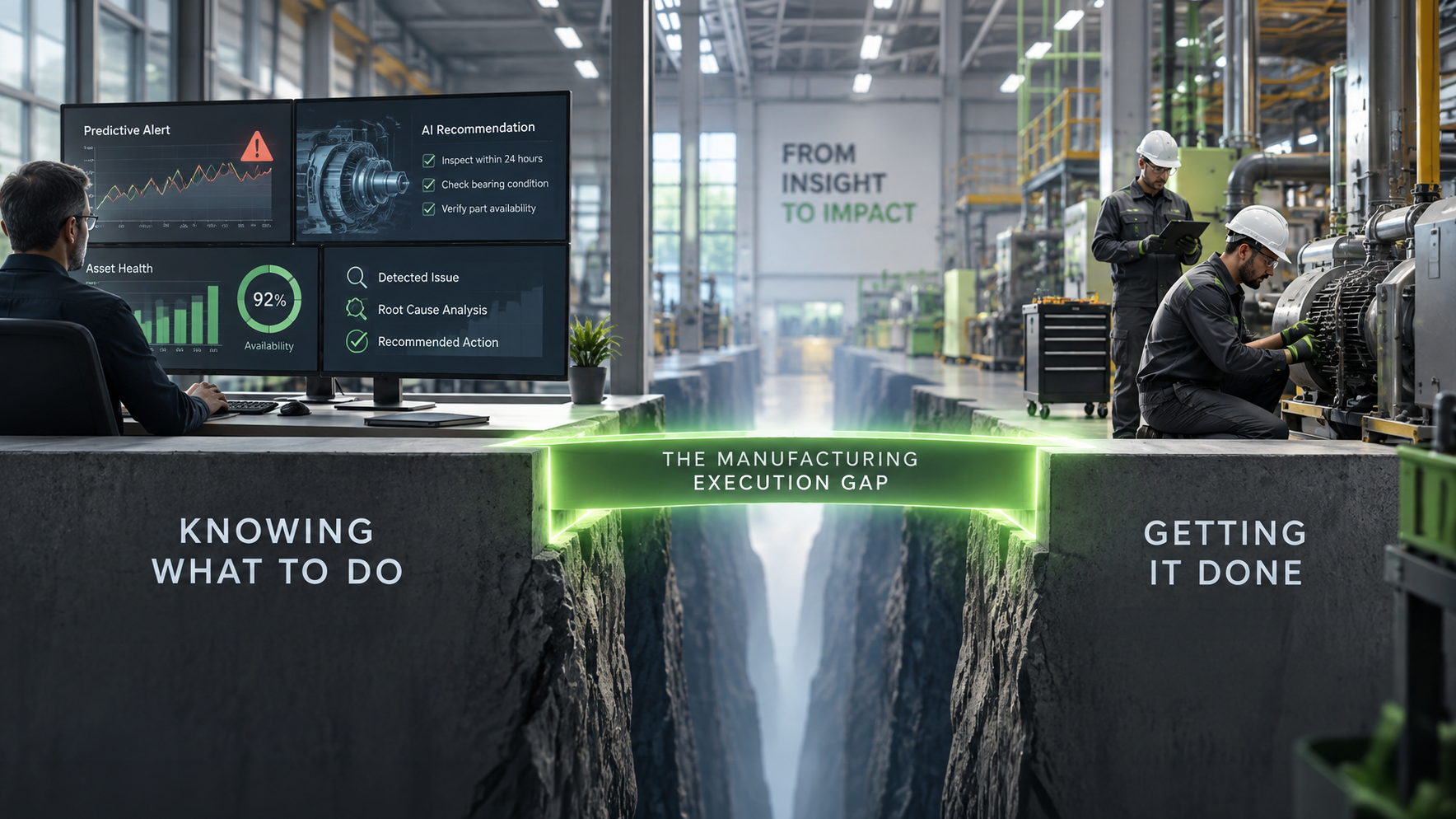

Unplanned downtime is one of the biggest hidden profit killers in manufacturing. It’s not just the cost of the repair itself; it’s the overtime pay for technicians, the rush shipping fees for parts, and the massive revenue loss from a halted production line. When you add it all up, a “run-to-failure” approach is often the most expensive prescriptive maintenance solutions you can have. This is where understanding the answer to “what is the advantage of preventive maintenance?” becomes a critical business conversation. It’s about shifting your spending from unpredictable, high-cost emergencies to planned, manageable investments that protect your bottom line, extend the life of your capital equipment, and deliver a clear return on investment.
Key Takeaways
- Shift from Reactive to Proactive Maintenance: Moving to a planned maintenance schedule is a strategic financial decision, not just an operational one. It gives you control over your budget by reducing costly emergency repairs and creates a more stable, predictable production environment.
- Start Small to Overcome Common Roadblocks: You don’t have to overhaul everything at once. Begin by focusing your efforts on your most critical equipment to demonstrate quick wins, then use that momentum to get team buy-in and justify further investment.
- Measure What Matters to Prove Your Program’s Value: Track key metrics like equipment uptime and maintenance compliance to show the clear ROI of your efforts. Smart manufacturing software can help you visualize this data and turn it into predictive insights for continuous improvement.
What Is Preventive Maintenance?
Think of preventive maintenance (PM) as a proactive strategy for taking care of your factory’s most critical assets. Instead of waiting for a machine to break down and scrambling to fix it, preventive maintenance involves the systematic and scheduled care of equipment to keep it running in top condition. It’s about moving from a state of constant firefighting to one of calm, predictable control. This approach is built on a simple but powerful idea: it’s better to perform regular, planned maintenance to prevent failures than to deal with the fallout from unexpected ones.
This means regularly inspecting, cleaning, lubricating, and replacing parts on your machinery before they have a chance to fail. By following a well-structured PM schedule, you can catch small issues before they become major problems that shut down your entire production line. The goal is to safeguard your industrial assets, prevent breakdowns, and ensure you’re always optimizing your asset performance. It’s a fundamental shift that lays the groundwork for a more resilient, efficient, and profitable manufacturing operation. By planning ahead, you can schedule maintenance during planned downtime, ensuring that your team’s time and resources are used effectively.
Exploring the Types of Preventive Maintenance
Not all preventive maintenance is created equal. The right approach depends on your specific equipment, operational needs, and production schedule. Generally, PM can be broken down into a few key types. Understanding these helps you build a more effective and efficient maintenance program for your facility.
The most common types include:
- Time-based maintenance: This is the simplest form, where tasks are performed on a fixed schedule, like weekly, monthly, or quarterly. Think of it like changing the oil in your car every three months.
- Usage-based maintenance: Here, maintenance is triggered by how much a machine has been used. This could be based on hours of operation, production cycles, or units produced. It’s often more accurate than time-based PM because it reflects actual wear and tear.
- Condition-based maintenance: This is a more advanced approach where maintenance is performed only when needed. It relies on real-time data from sensors and monitoring tools to detect signs of decreasing performance or potential failure.
Preventive vs. Reactive Maintenance: A Quick Comparison
The difference between preventive and reactive maintenance comes down to one thing: planning. Preventive maintenance is proactive; it focuses on scheduled tasks designed to stop equipment failures before they happen. Reactive maintenance, on the other hand, is exactly what it sounds like-reacting to a problem after a machine has already broken down. This often leads to unplanned downtime, emergency repairs, and higher costs for expedited parts and overtime labor.
While it might seem cheaper to fix things only when they break, reactive maintenance disrupts operations and can cause significant production losses. Imagine a critical machine failing during a peak production run. The entire line stops, orders are delayed, and your team has to drop everything to handle the crisis. A preventive approach, supported by strong daily lean management, helps you avoid these scenarios by addressing potential issues on your own terms, during scheduled downtime.
What Are the Real Advantages of Preventive Maintenance?
Preventive maintenance isn’t just about ticking boxes on a checklist; it’s a core strategy for building a more resilient and profitable manufacturing operation. By shifting from a reactive “fix it when it breaks” model to a proactive one, you can get ahead of potential issues before they cause major disruptions. This approach does more than just keep your machines running-it transforms your entire production environment. The real benefits show up in your budget, on your production schedule, and ultimately, on your bottom line. Let’s look at the tangible advantages you can expect when you make preventive maintenance a priority.
Reduce Operational Costs
Running to failure is one of the most expensive maintenance strategies you can have. When a critical piece of equipment breaks down unexpectedly, you’re not just paying for the repair itself-you’re also paying for rushed shipping on parts, overtime for technicians, and the lost revenue from unplanned downtime. A well-planned preventive maintenance program helps you avoid expensive emergency repairs by catching small issues before they become catastrophic failures. In fact, fixing equipment after it breaks can cost two to five times more than performing planned maintenance. By investing a little time and resources upfront, you can significantly cut down on those costly, high-stress emergency calls and keep your operational budget under control.
Extend the Life of Your Equipment
Your machinery is one of your biggest capital investments, and a solid preventive maintenance plan is the best way to protect it. Just like a car, industrial equipment runs better and longer with regular care. Consistent inspections, lubrication, and parts replacement prevent the excessive wear and tear that leads to premature failure. This isn’t just a theory; studies show that regular maintenance can help equipment last 20-40% longer. By extending the useful life of your assets, you delay the massive capital expenditure of purchasing new machines, getting more value from your initial investment and improving your long-term financial outlook.
Gain Operational Efficiency
When your equipment is running smoothly, your entire operation becomes more efficient. Preventive maintenance ensures your machines are performing at their best, which means they use less energy and produce higher-quality products with fewer defects. Well-maintained machinery simply operates at peak performance, reducing waste and resource consumption. This proactive approach also helps you avoid the production bottlenecks and schedule disruptions caused by unexpected breakdowns. Instead of constantly reacting to problems, your team can focus on meeting production targets in a stable, predictable environment. This consistency is key to creating the smoother operations that drive overall plant productivity.
How Does Preventive Maintenance Cut Downtime and Improve Productivity?
Preventive maintenance is more than just a checklist of tasks; it’s a fundamental shift in how you manage your factory floor. Instead of waiting for a critical machine to break down and scrambling to fix it, you proactively service your equipment to keep it running smoothly. This simple change has a massive ripple effect, directly impacting your plant’s uptime and overall productivity. By getting ahead of potential issues, you can transform your operations from a state of constant reaction to one of controlled, predictable output. This approach doesn’t just save you from headaches; it builds a more resilient and efficient production environment where your teams can focus on hitting their goals instead of putting out fires. It’s about creating a rhythm of reliability that lets you plan with confidence and execute with precision. When you can depend on your equipment, you can depend on your schedules, your output, and your ability to meet customer demand without the constant stress of the unexpected.
Stop Unexpected Equipment Failures
Unexpected equipment failures are the enemy of a smooth production day. They throw schedules into chaos, cause stressful delays, and force your team to drop everything for emergency repairs. Preventive maintenance helps you regain control by identifying and addressing small issues before they become major breakdowns. Regular inspections, lubrication, and parts replacement keep your machinery in optimal condition. This proactive approach significantly reduces unplanned downtime, keeping your production lines operating as they should. With a solid Asset Performance Management strategy, you can move from firefighting to forward-planning, creating a more stable and predictable manufacturing environment.
Maintain Consistent Production Schedules
When your equipment runs reliably, your production schedules become more than just a hopeful plan-they become a reality. Consistent machine performance is the bedrock of operational efficiency. With preventive maintenance, you can trust that your assets will be available and performing to standard, shift after shift. This reliability allows you to plan production runs with confidence, meet customer deadlines without last-minute rushes, and manage inventory more effectively. You’ll see less waste from spoiled materials or products that miss their window, and your team can focus on hitting targets instead of constantly adjusting to unexpected interruptions.
Maximize Manufacturing Throughput
Ultimately, the goal is to produce more with the resources you have. Less downtime and consistent schedules directly translate to higher manufacturing throughput. When your lines are running without interruption, you’re naturally making more products per hour, per shift, and per day. One company, for example, implemented a PM program and saw a 48% reduction in conveyor system incidents and a 24% drop in downtime. This isn’t about pushing machines or people harder; it’s about working smarter. By ensuring your equipment is always ready to perform at its best, you unlock your plant’s true production capacity and see a real impact on your output.
How Does Preventive Maintenance Impact Safety and Compliance?
Beyond the numbers on a spreadsheet, preventive maintenance plays a critical role in protecting your most valuable asset: your people. A well-maintained facility is a safer facility, plain and simple. When equipment runs as it should, the risk of unexpected failures that can lead to serious accidents drops significantly. Think of your PM program as a fundamental layer of your safety strategy. It’s about creating a predictable, controlled environment where your team can do their best work without worrying about equipment-related hazards. This proactive approach not only fosters a stronger safety culture but also makes navigating the complex world of regulatory compliance much more straightforward.
Improve Workplace Safety
A proactive maintenance schedule is one of the most effective tools you have for creating a safer workplace. Instead of waiting for a breakdown, your team regularly inspects and services equipment, catching potential hazards before they can cause harm. These proactive checks can uncover issues like worn-out safety guards, frayed electrical wiring, or hydraulic leaks that might otherwise go unnoticed until it’s too late. By keeping your equipment in good working order, you directly reduce the risk of accidents and injuries on the plant floor. It’s a simple equation: reliable machinery creates a more stable and secure environment for everyone.
Simplify Regulatory Compliance
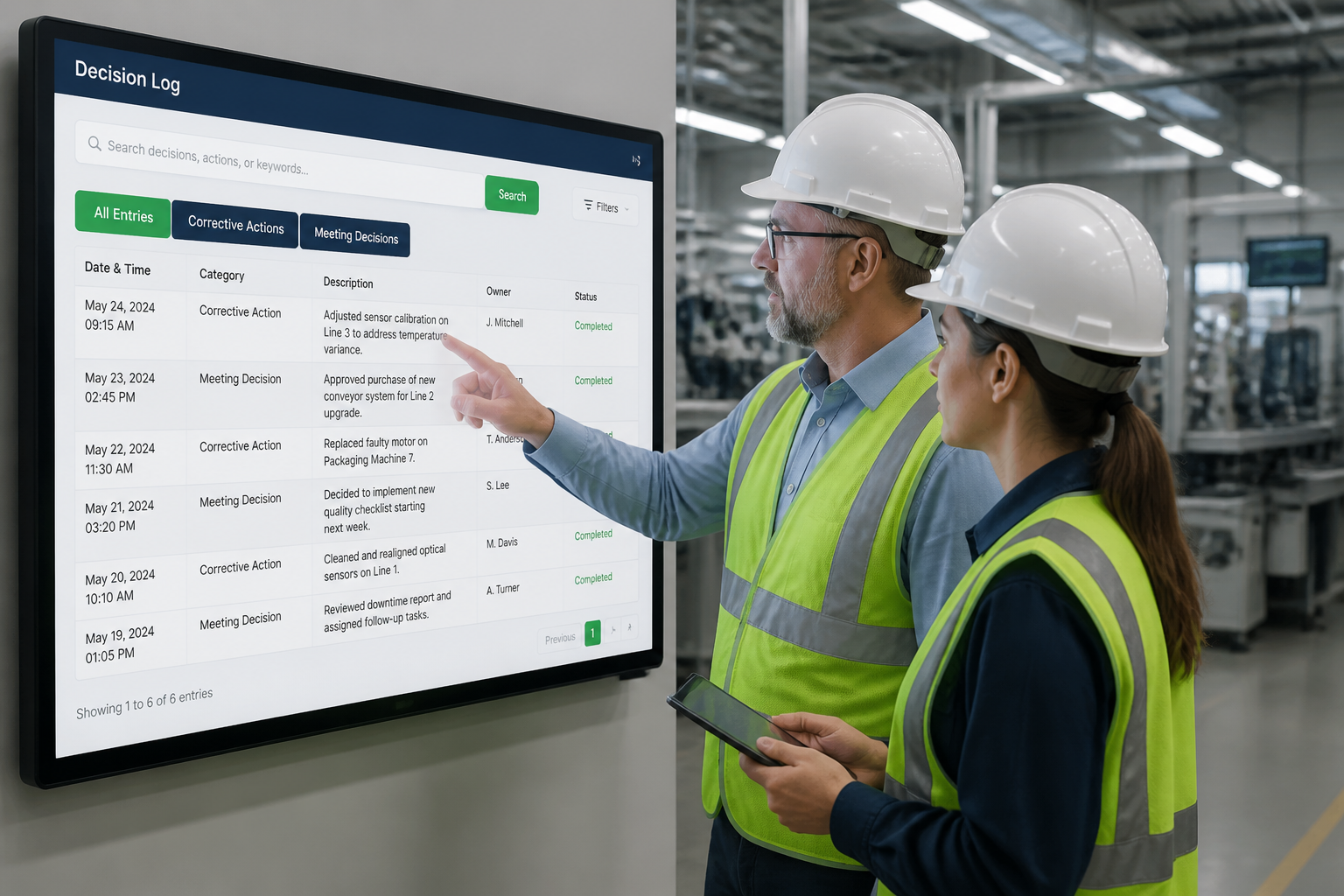
Meeting regulatory standards from bodies like OSHA or the FDA can feel like a moving target, but a solid PM program makes it much easier to stay on track. Regular, documented maintenance demonstrates a clear commitment to operational safety and quality control. When an auditor visits, you’ll have a detailed history of inspections, repairs, and service logs at your fingertips, providing concrete proof of your due diligence. This documentation is invaluable. In fact, a consistent PM strategy can significantly lower the chances of non-compliance, helping you avoid hefty fines and legal troubles while ensuring your quality management system remains robust.
Mitigate Everyday Risks
Preventive maintenance helps you manage the small, everyday risks that can snowball into major problems. When a machine is unreliable, operators may be tempted to use unsafe workarounds just to keep production moving. A consistent PM plan eliminates the need for these risky shortcuts. By ensuring equipment is dependable, you create a less chaotic and stressful work environment where teams can focus on their tasks without constantly firefighting. This stability not only improves safety but also enhances operational efficiency and product quality. It’s all part of building a shared operating rhythm that moves your plant from daily chaos to daily control.
How Does Preventive Maintenance Affect Your Bottom Line?
Preventive maintenance isn’t just an operational strategy; it’s a financial one. While the day-to-day benefits of fewer breakdowns and smoother production are clear, the real power of a solid PM program shows up on your balance sheet. Moving from a reactive “fix-it-when-it-breaks” model to a proactive approach directly impacts profitability in ways both obvious and surprising. It’s about shifting your spending from costly, unpredictable emergencies to planned, controlled investments that pay for themselves over and over. Let’s look at how this proactive stance translates into tangible financial gains for your facility.
See the Direct Cost Savings
When you’re constantly putting out fires, the costs add up fast. Emergency repairs aren’t just about the price of a replacement part; they include rush shipping fees, expensive contractor call-outs, and overtime pay for your team. In fact, reactive maintenance can cost two to five times more than planned, preventive work. A PM program turns these volatile expenses into predictable budget items. By scheduling maintenance, you can order parts in advance, perform work during regular hours, and use your internal team more effectively. This simple shift reduces waste, lowers overall repair costs, and brings much-needed stability to your maintenance budget.
Calculate Your Return on Investment
Implementing a preventive maintenance program does require an initial investment in planning, training, and potentially new tools. But the return on that investment is significant. Well-maintained equipment runs more efficiently and lasts longer, delaying the need for costly replacements. Some companies see up to a 30% increase in equipment lifespan and a 25% reduction in total maintenance costs after adopting a PM strategy. By tracking these improvements, you can clearly demonstrate the value of your program. Solutions for Asset Performance Management can help you monitor equipment health and make data-driven decisions that maximize the life and value of your most critical assets.
Uncover Hidden Cost Reductions
Beyond the obvious repair savings, a strong PM program uncovers cost reductions in areas you might not expect. For instance, keeping equipment in top condition helps you meet safety and environmental regulations, avoiding hefty fines for non-compliance. Properly calibrated machines also produce higher-quality products, leading to less scrap, rework, and wasted materials. You may even see lower energy bills, as well-maintained equipment consumes less power. These efficiencies contribute to a leaner operation where teams can focus on continuous improvement instead of just getting through the day. A LOOP helps formalize these gains, turning them into a standard part of your operating rhythm.
What Roadblocks Can You Expect When Implementing PM?
Switching to a preventive maintenance strategy is a smart move, but let’s be real-it’s not always a walk in the park. Like any significant operational change, it comes with its own set of challenges. Knowing what to expect can help you prepare and create a plan to handle these hurdles before they slow you down. Most of the roadblocks aren’t about the equipment itself; they’re about people, budgets, and processes. By anticipating these common issues, you can build a more resilient and successful PM program from day one. Let’s look at the three biggest challenges you’re likely to face.
Managing Budget and Resource Constraints
One of the first hurdles is often financial. Getting the budget approved for a new PM program can be tough, especially when the C-suite is focused on immediate costs rather than long-term savings. You might hear, “We don’t have the money for that right now.” Limited budgets, personnel shortages, and tight schedules can make it feel impossible to get started. The key is to frame preventive maintenance not as a cost, but as an investment. You’ll need to build a solid business case that clearly shows how proactive maintenance will reduce more expensive emergency repairs and costly downtime in the future, directly impacting the bottom line.
Addressing Staffing and Skill Gaps
Even with a budget, you need the right people on your team. A successful PM program, especially one that uses modern technology, requires specific skills. It’s not just about having enough technicians; it’s about having technicians who are comfortable with new software, data analysis, and even AI-driven insights. A lack of trained personnel can be a major barrier to adoption. You may need to invest in upskilling your current team or hiring new talent with a background in predictive technologies to ensure your program delivers on its promise and your team can use new tools effectively.
Overcoming Team Resistance to Change
Perhaps the most significant roadblock is human nature. People are often resistant to change, and your shop floor team is no exception. The “if it ain’t broke, don’t fix it” mindset can be deeply ingrained in a plant’s culture. Without a clear strategy for change management, you risk watching your investment in new technology and processes fail to gain traction. Getting buy-in from everyone-from the plant manager to the frontline operator-is critical. This means communicating the “why” behind the change, involving the team in the process, and showing them how a PM program makes their jobs easier and more secure.
How to Overcome Common PM Roadblocks
Switching to a preventive maintenance strategy is a smart move, but it’s not always a straight path. It’s completely normal to run into challenges like tight budgets, staffing shortages, or even a team that’s resistant to new routines. The good news is that these roadblocks are manageable with the right approach. Instead of trying to overhaul everything at once, you can focus on making strategic changes that deliver real results and build momentum.
The key is to be methodical. Start by identifying what’s most critical, then find ways to make your processes more efficient. Finally, make sure your team is on board and has the skills they need to succeed. By tackling these challenges head-on, you can build a PM program that not only works but also becomes a core part of your plant’s success. A modern Digital Factory approach helps connect these efforts, turning isolated fixes into a unified operational rhythm. Let’s walk through how you can get past these common hurdles.
Prioritize High-Impact Maintenance Tasks
When you’re facing limited time, budget, and staff, you can’t afford to treat every maintenance task as equally urgent. The most effective first step is to prioritize. Take a hard look at your equipment and identify the assets that are most critical to your operation. Which machine failure would cause the biggest bottleneck or the most expensive downtime? Focus your resources there first. By concentrating on high-impact tasks, you ensure that your most essential equipment stays up and running. This approach helps you get the biggest return on your maintenance efforts and reduces the risk of a major breakdown derailing your production schedule. It’s a practical way to improve Asset Performance Management without stretching your team too thin.
Streamline Processes with the Right Technology
If your team is still juggling paper work orders and spreadsheets, you’re likely losing valuable time to administrative work. Technology can help you streamline these processes and make your entire PM program more efficient. Implementing a smart manufacturing platform allows you to digitize workflows, automate scheduling, and give everyone access to the same real-time information. Instead of chasing down paperwork, your technicians can focus on the hands-on work that keeps machines running. A solution like a Agentic MES can connect your maintenance activities directly to what’s happening on the shop floor, making it easier to plan, execute, and track every task. This move makes your maintenance process more effective and less frustrating for your team.
Implement Effective Training and Change Management
A new PM strategy or software is only as good as the team using it. Resistance to change is natural, especially if your team is used to a reactive “firefighting” approach. To get everyone on board, you need to focus on clear communication and training. Explain why the change is happening and how it will make their jobs easier in the long run-less overtime, fewer emergency repairs, and a safer work environment. Provide hands-on training to build confidence with new tools and processes. Involving your team in the transition and listening to their feedback can make a huge difference. This focus on people and process alignment is central to creating a culture of continuous improvement and operational excellence.
How Do You Measure Preventive Maintenance Success?
Once you’ve rolled out a preventive maintenance program, how do you know if it’s actually working? It’s one thing to feel like things are running more smoothly, but it’s another to prove it with hard data. Measuring success isn’t just about justifying the investment; it’s about fine-tuning your strategy to get even better results. By focusing on the right metrics, you can turn your PM program from a cost center into a clear driver of value for the entire operation.
The key is to look at performance from a few different angles. You’ll want to track specific Key Performance Indicators (KPIs) to get a pulse on your maintenance activities. You also need to analyze the financial impact by calculating cost savings and return on investment. Finally, measuring the direct effect on equipment performance will show you how your efforts are translating into more reliable and productive assets. Together, these three areas give you a complete picture of your program’s effectiveness and help you build a powerful case for continued investment and improvement.
Track Key Performance Indicators (KPIs)
Think of KPIs as the vital signs of your maintenance program. They are specific, measurable data points that give you actionable insights into how well your strategy is performing. Instead of guessing, you can use KPIs to see exactly what’s working and what needs attention. Key metrics to watch include Planned Maintenance Compliance (PMC), which tells you if scheduled tasks are being completed on time, and Mean Time Between Failures (MTBF), which tracks how long your equipment runs before breaking down.
Monitoring the number of unexpected equipment failures is another critical KPI. A drop in this number is a clear sign that your preventive efforts are paying off. With a manufacturing control tower, you can visualize these metrics in real-time, making it easier to spot trends and make data-driven decisions to continuously refine your PM plan.
Analyze Cost Savings
While a preventive maintenance plan requires an upfront investment in time, tools, and labor, its true value often shines through in the cost savings it generates. The most obvious savings come from avoiding expensive emergency repairs and the associated overtime labor. But the financial benefits go much deeper. By reducing unplanned downtime, you prevent the significant revenue loss that comes with halted production lines.
To analyze your savings, compare the total cost of your PM program against the costs you’ve avoided. Track what you used to spend on reactive maintenance and factor in the value of the extra production you’ve gained from increased uptime. This calculation delivers a clear return on investment (ROI) that demonstrates the program’s financial impact and helps secure ongoing support from leadership.
Measure Equipment Performance
Ultimately, the goal of preventive maintenance is to keep your equipment running at its best. Measuring equipment performance is the most direct way to see if you’re achieving that. A great starting point is tracking Preventive Maintenance Compliance (PMC), which is calculated by dividing the number of completed PM work orders by the number scheduled in a given period. A high PMC score shows your team is successfully executing the plan.
Beyond compliance, look at metrics like Overall Equipment Effectiveness (OEE), which measures availability, performance, and quality. An increase in OEE is a strong indicator that your PM activities are effective. Improved asset performance management leads to higher throughput, more consistent production schedules, and a healthier bottom line, proving that your maintenance efforts are directly contributing to operational excellence.
How Smart Manufacturing Software Improves Your PM Program
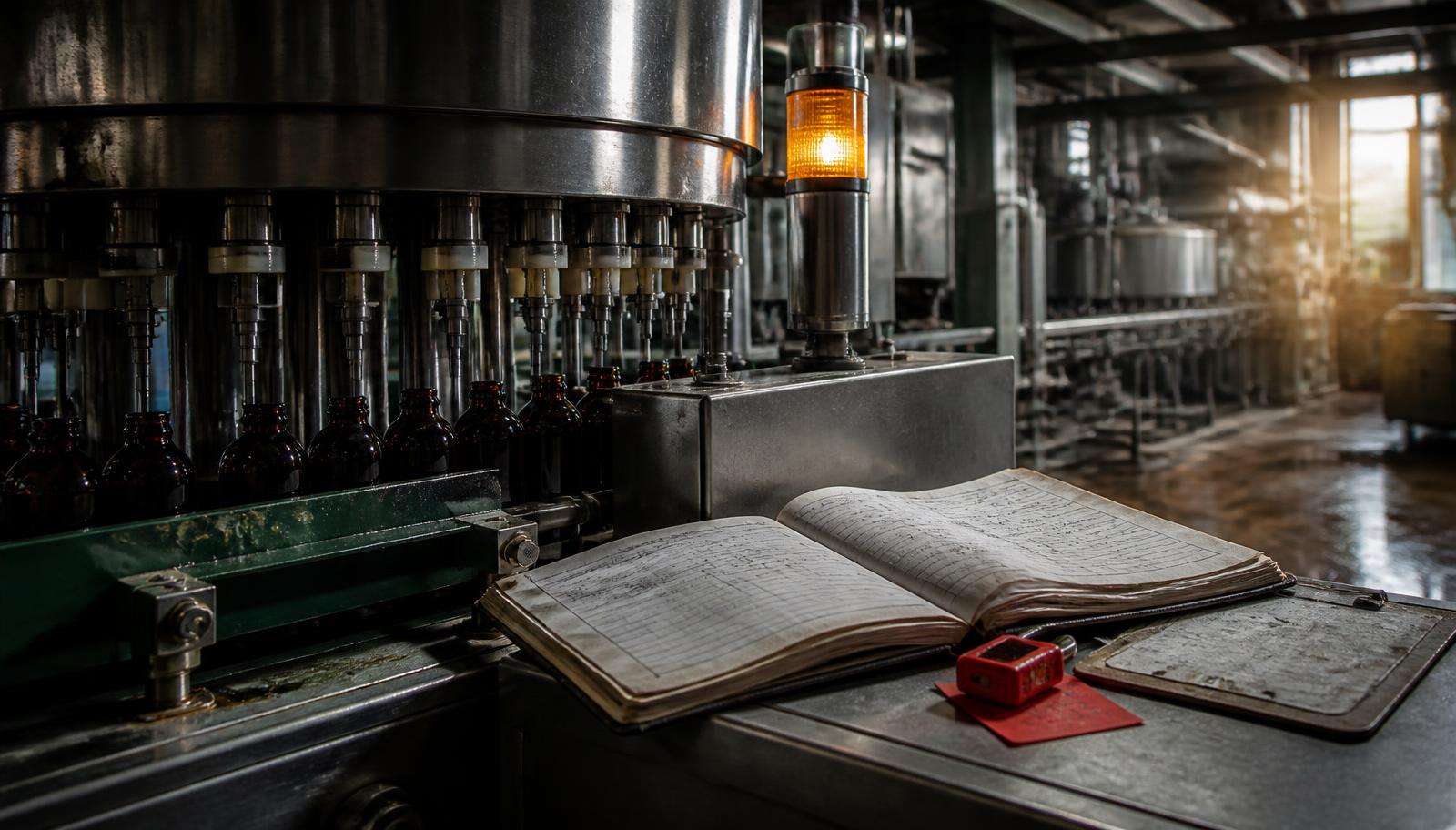
Shifting from a reactive “fix-it-when-it-breaks” model to a proactive preventive maintenance program is a huge step forward. But managing it with spreadsheets, clipboards, and endless meetings can feel like you’re trading one kind of chaos for another. This is where smart manufacturing software comes in. It acts as the central nervous system for your entire PM strategy, connecting your people, your machines, and your processes in a single, cohesive system.
Instead of relying on static calendars and manual data entry, this software gives you a dynamic, real-time view of your operations. It transforms your PM program from a set of scheduled tasks into an intelligent, data-driven strategy that adapts to the actual conditions on your factory floor. With a platform like the Decisyon Digital Factory, you can digitize workflows, automate scheduling, and give your teams the information they need to make smarter maintenance decisions. This helps you move beyond simply preventing failures to actively optimizing the performance and lifespan of every asset in your plant. It’s about creating a unified operating rhythm where maintenance is no longer a separate function but an integrated part of daily excellence.
Go Digital with Maintenance Management
Let’s be honest: implementing a preventive maintenance program takes time and resources. While the long-term payoff is clear, the initial effort can feel daunting. The good news is that digital tools can seriously streamline these processes, making it much easier to manage maintenance schedules and track equipment performance. By moving away from paper-based systems, you can automate work order creation, digitize checklists, and maintain a complete service history for every machine. This creates a single source of truth that eliminates guesswork and ensures critical tasks don’t fall through the cracks. A Agentic MES solution, for example, can help you organize and visualize these workflows for your entire team.
Leverage Predictive Analytics and AI
Going digital is the first step, but the real game-changer is using data to see the future. Advanced technologies like IoT sensors and AI enable real-time monitoring and accurate failure predictions, helping you move from a preventive to a predictive maintenance strategy. Instead of changing a part every 500 hours because a manual says so, AI can analyze performance data-like vibration, temperature, and output-to tell you that a specific component is likely to fail within the next 48 hours. This allows you to schedule repairs proactively, right when they’re needed. This approach, often called prescriptive maintenance, minimizes unnecessary work while preventing unexpected breakdowns.
Get Real-Time Insights with Connected Systems
A successful PM program isn’t just about technology; it’s about people. The program’s success relies on teams embracing new procedures and approaches to machine data. Connected systems provide the real-time insights that improve decision-making and operational efficiency across the board. When your operators, maintenance crews, and managers are all looking at the same live data, collaboration becomes seamless. A platform that offers strong Asset Performance Management capabilities breaks down silos, allowing everyone to align on priorities and resolve issues faster. This shared visibility ensures that maintenance efforts are always focused on what matters most for hitting your production goals.
Related Articles
- Prescriptive Maintenance
- Why AI-Driven Predictive Maintenance Is Now a Competitive Necessity – Decisyon
- Industrial Manufacturing
- AI-driven Predictive Maintenance – Decisyon
- How does Decisyon support Predictive Maintenance? – Decisyon
Frequently Asked Questions
What’s the real difference between preventive and predictive maintenance? Think of it this way: preventive maintenance is based on a schedule, like changing the oil in your car every 5,000 miles whether it seems to need it or not. It’s a proactive, time-based approach. Predictive maintenance is more advanced. It uses real-time data from your equipment to predict when a failure is likely to happen, so you can perform maintenance right before it’s needed. It’s the difference between following a calendar and getting a smart alert.
How can I start a PM program if my budget is extremely tight? You don’t need to overhaul your entire plant at once. The best approach is to start small and prove the concept. Identify your single most critical piece of equipment-the one whose failure would cause the biggest headache. Focus all your initial efforts on creating and executing a solid PM plan for just that one asset. Once you can show a clear reduction in downtime or repair costs for that machine, you’ll have a powerful case for securing a larger budget to expand the program.
Do I need brand-new machinery to implement a modern PM strategy? Absolutely not. This is a common misconception that holds a lot of factories back. Modern smart manufacturing software is designed to be an intelligent layer that works with the equipment you already own. By using sensors and smart gateways, you can gather performance data from your existing assets without needing to invest in a massive and disruptive “rip and replace” project.
How do I get my team on board with a new maintenance routine? The best way to overcome resistance is to focus on how the change benefits your team directly. Frame the new program as a way to eliminate stressful emergency calls, unexpected overtime, and risky workarounds. Involve your most experienced technicians in the planning process. When they have a voice in building the new system and see it as a tool that makes their jobs safer and more predictable, they become your biggest advocates.
Realistically, how long does it take to see a return on investment from a PM program? While every facility is different, you can often see the initial benefits surprisingly quickly. A reduction in unplanned downtime and costly emergency repairs can become noticeable within the first few months. The more substantial financial returns, such as extending the lifespan of your equipment and achieving major efficiency gains, typically become clear within the first year. The trick is to track your key metrics from the very beginning so you can measure the positive impact.