Your factory equipment is constantly communicating. Through subtle changes in vibration, temperature, and acoustics, it tells a story about its current condition and future health. The problem is that these signals are often too faint for a human to notice until it’s too late. Predictive maintenance for manufacturing gives your machines a voice. By using IoT sensors to listen and artificial intelligence to interpret, this strategy translates complex operational data into clear, actionable warnings. It allows your team to understand what your assets need in real time, enabling them to intervene precisely when required to prevent unexpected and costly production stoppages.
Key Takeaways
- Shift from Reactive to Proactive Control: Predictive maintenance uses real-time data and AI to forecast equipment failures, letting you schedule repairs before a breakdown happens. This strategic change helps you trade chaotic firefighting for planned, efficient control over your factory floor.
- Implement with a Smart, Scalable Plan: You can avoid a disruptive overhaul by starting with a focused pilot program on your most critical assets. Choose technology that integrates with your current systems, allowing you to prove value quickly and scale at your own pace.
- Prove Your ROI by Tracking Key Metrics: Measure the success of your program by tracking concrete improvements in metrics like Overall Equipment Effectiveness (OEE), Mean Time Between Failures (MTBF), and total downtime to demonstrate a clear financial return.
What Is Predictive Maintenance?
Predictive maintenance (PdM) is a proactive strategy that uses data and technology to monitor the condition of your equipment in real time. The main goal is simple but powerful: to predict when a machine is likely to fail so you can perform maintenance before it breaks down. Think of it as your equipment telling you it needs attention, long before a critical failure brings production to a halt. Instead of reacting to problems or sticking to a rigid, and often wasteful, schedule, PdM allows you to fix what needs fixing, exactly when it needs it.
This approach helps you move away from the daily chaos of unexpected downtime and toward a more controlled, efficient, and predictable factory floor. By anticipating maintenance needs, you can schedule repairs during planned downtime, order parts in advance, and allocate your resources more effectively. It’s a foundational element for any manufacturer looking to build a truly smart factory and gain a competitive edge. It transforms maintenance from a reactive cost center into a strategic, data-driven part of your operation that directly contributes to your bottom line.
How It Works on the Factory Floor
So, how does a machine tell you it’s about to have a problem? It starts with sensors. These small devices are attached to your critical assets to gather data on things like vibration, temperature, and acoustics. This information is streamed continuously from the machines to a central software system using Internet of Things (IoT) technology. This is where advanced computer programs, including artificial intelligence (AI) and machine learning (ML), analyze the data. The software looks for patterns and anomalies that are invisible to the human eye, allowing it to forecast potential failures with incredible accuracy and give your team a heads-up to schedule repairs.
Predictive vs. Preventive vs. Reactive Maintenance
To understand the value of predictive maintenance, it helps to compare it to other common strategies.
- Reactive Maintenance: This is the “run-to-failure” approach. You only fix equipment after it has already broken down. This method is highly disruptive, often leading to costly unplanned downtime and emergency repairs.
- Preventive Maintenance: This is a step in the right direction. Maintenance is performed on a fixed schedule, regardless of the machine’s actual condition. While it reduces failures, it can also lead to replacing parts that are still perfectly good, wasting time and resources.
- Predictive Maintenance: This is the smartest of the three. It uses real-time data to determine the true health of your equipment. This strategy helps you avoid unexpected breakdowns while also ensuring you don’t perform unnecessary maintenance, getting the best of both worlds.
The Real-World Benefits of Predictive Maintenance
Adopting a predictive maintenance strategy is about more than just upgrading your technology; it’s about fundamentally changing how you manage your factory floor. Instead of reacting to problems, you start preventing them. This shift delivers powerful, tangible results that you can see in your operations and on your bottom line. From keeping your production lines running smoothly to ensuring your team stays safe, the benefits of predicting what’s next are clear, practical, and transformative for any manufacturing environment.
Reduce Unplanned Downtime
Unexpected downtime is one of the biggest drains on productivity and profitability. When a critical machine fails without warning, it throws your entire production schedule into chaos. Predictive maintenance helps you trade that reactive firefighting for proactive control. By analyzing real-time data from your equipment, you can identify the subtle warning signs of failure long before a breakdown occurs. This foresight allows you to schedule repairs during planned downtime, rather than scrambling to fix a problem in the middle of a critical production run. As a result, you can significantly increase how long machines work without interruption, keeping your operations stable and predictable.
Lower Your Maintenance Costs
Predictive maintenance directly impacts your budget by making your maintenance activities smarter and more efficient. Instead of performing routine maintenance based on a fixed schedule, whether it’s needed or not, you can focus your resources where they matter most. This data-driven approach helps you avoid unexpected breakdowns, which often come with high costs for emergency repairs, expedited parts, and overtime labor. You also eliminate the waste associated with replacing components that are still in good working order. By optimizing your maintenance schedules and spare parts inventory, you can reduce overall repair costs and make every dollar spent on maintenance count.
Extend Equipment Lifespan
Your machinery represents a massive capital investment, and getting the most out of it is essential. Predictive maintenance helps you protect and prolong the life of these critical assets. By catching and addressing minor issues before they escalate, you prevent the cascading damage that can lead to catastrophic failure. Think of it as performing minor surgery instead of waiting for a full-blown emergency. This proactive care ensures your equipment runs under optimal conditions, reducing wear and tear over time. As a result, you can help machines last much longer, maximizing your return on investment and delaying the need for costly replacements.
Improve Throughput and Efficiency
When your equipment runs reliably, your entire production process becomes more efficient. Predictive maintenance is a key driver of operational excellence because it ensures your machines are available and performing at their best. With fewer unexpected stops and starts, you can maintain a consistent production rhythm, meet your output targets, and fulfill customer orders on time. AI-powered tools can find problems early, keeping equipment running smoothly so you can make more products without interruption. This reliability directly translates to higher throughput and improved Overall Equipment Effectiveness (OEE), turning your factory into a more productive and profitable operation.
Create a Safer Workplace
A well-maintained factory is a safer factory. Equipment that fails unexpectedly can pose a serious risk to your employees, from mechanical breakdowns to electrical malfunctions. By identifying potential hazards before they materialize, predictive maintenance plays a crucial role in protecting your team. This proactive approach helps you prevent dangerous equipment failures and build a stronger safety culture on the shop floor. When your team knows that equipment is being continuously monitored for health and safety, it builds confidence and reinforces the message that their well-being is a top priority. This makes your plant not just more efficient, but a better and safer place to work.
What Technology Powers Predictive Maintenance?
Predictive maintenance might sound like something out of a sci-fi movie, but it’s grounded in very real, accessible technology. It works by combining a few key components that collect, analyze, and interpret data from your factory floor. Think of it as giving your equipment a voice to tell you when it needs attention, long before it starts shouting with a breakdown. This isn’t about guesswork; it’s about making data-driven decisions that prevent costly surprises and keep production on track.
The core technologies work together in a seamless loop. First, sensors gather data. Then, AI models analyze that data for warning signs. Finally, analytics platforms translate those findings into clear, actionable alerts for your team. This synergy is what makes predictive maintenance so powerful. It creates a system that constantly monitors equipment health, learns its unique operating patterns, and flags any deviations that could signal an upcoming failure. By understanding what “normal” looks like for each asset, the system can instantly spot when something is off. This proactive approach is a game-changer for manufacturing operations, moving teams from a reactive fire-fighting mode to a strategic, forward-looking one. Let’s break down the three main pillars that make this powerful capability possible.
IoT Sensors for Real-Time Data
The entire process starts with data. To predict when a machine might fail, you first need to listen to what it’s doing in real time. This is where the Internet of Things (IoT) comes in. Small, powerful sensors are attached to your critical assets to collect a constant stream of information. These sensors can measure everything from temperature and vibration to pressure and acoustics. This data is gathered from your “smart assets” and can also be pulled from existing machine controls (PLCs) and other business systems like your CMMS or ERP. A Smart Gateway can help unify this data, creating a single source of truth for each piece of equipment on your factory floor.
AI and Machine Learning for Smart Predictions
Once you have all this data, you need a way to make sense of it. That’s the job of artificial intelligence (AI) and machine learning (ML). These advanced algorithms act as the brains of your predictive maintenance strategy. They analyze the massive amounts of data flowing from your IoT sensors to learn the normal operating behavior of each machine. Over time, the system becomes incredibly smart, capable of spotting subtle patterns and anomalies that the human eye would miss. When the AI detects a pattern that has previously led to a failure, it sends an alert to your team, giving them the chance to schedule prescriptive maintenance before a breakdown occurs.
Data Analytics for Condition Monitoring
Data analytics and condition monitoring are what turn raw data and AI-driven predictions into actionable insights for your team. While AI finds the problem, analytics platforms present the information in a way that people can easily understand and act on. This is often done through a centralized dashboard or a manufacturing control tower that visualizes the health of all your connected assets. Your team can see real-time equipment status, review historical performance, and track trends. The more high-quality data you feed into the system, the more accurate the predictions become, creating a powerful feedback loop that continuously improves your maintenance operations and overall plant reliability.
How to Measure Your Predictive Maintenance Success
Implementing a predictive maintenance program is a significant step, but how do you know if it’s actually working? The answer lies in tracking the right metrics. Moving from a reactive “break-fix” model to a proactive, data-driven one should produce clear, measurable improvements in your operations. By focusing on a few key performance indicators (KPIs), you can quantify the value of your investment, justify its expansion, and demonstrate a real return to your stakeholders. These metrics are the proof that you are successfully creating a more stable, productive environment.
Track Overall Equipment Effectiveness (OEE)
Overall Equipment Effectiveness (OEE) is the gold standard for measuring manufacturing productivity, combining availability, performance, and quality. Predictive maintenance directly improves OEE by tackling its biggest enemy: unplanned downtime. As one Deloitte report notes, predictive maintenance enhances OEE by catching potential failures before they happen. By keeping your machines running when they’re supposed to (improving availability) and at their optimal speed (improving performance), you’ll see a direct impact on your OEE score. A real-time manufacturing control tower can make tracking this metric simple.
Monitor MTBF and MTTR
Two of the most important metrics in any maintenance strategy are Mean Time Between Failures (MTBF) and Mean Time To Repair (MTTR). MTBF measures the average time a piece of equipment operates before it fails, while MTTR tracks how long it takes to get it running again. The goal of predictive maintenance is simple: increase MTBF and decrease MTTR. By identifying and addressing issues before they cause a full-blown breakdown, you extend the operational life of your assets. When maintenance is required, it’s planned and scheduled, which means your team has the right parts and people ready, significantly shortening repair times.
Analyze Maintenance Costs and ROI
Predictive maintenance should ultimately save you money. To prove it, you need to analyze your maintenance costs and calculate the return on investment (ROI). Start by tracking the reduction in expenses related to emergency repairs, overtime labor, and rush shipping for spare parts. As research from ScienceDirect highlights, using predictive maintenance can greatly reduce what factories spend on maintenance. Compare these savings against the cost of your predictive maintenance solution, including software and sensors. This calculation will give you a clear picture of your ROI and demonstrate the financial benefits of building your Decisyon Digital Factory.
Measure Your Reduction in Downtime
Unplanned downtime is one of the most expensive problems in manufacturing. Measuring your reduction in downtime is perhaps the most direct way to see the impact of predictive maintenance. According to IBM, this approach can cut facility downtime by 5% to 15%. Track the total hours of unplanned downtime before and after implementation. You should see a noticeable decrease as your system begins to flag potential issues for proactive intervention. This not only improves throughput but also makes your production schedule more reliable, allowing frontline teams to resolve issues faster and maintain operational flow.
How to Implement Predictive Maintenance
Making the switch to predictive maintenance is a strategic project, not an overnight change. The idea of implementing new technology can feel overwhelming, but you don’t have to do it all at once. By breaking the process down into clear, manageable steps, you can build a powerful predictive maintenance program that delivers real results without causing major disruptions to your operations. The key is to start with a solid plan, get your team on board, and choose technology that grows with you. Here’s a step-by-step guide to get you started.
Start Small with a Pilot Program
Jumping into a factory-wide overhaul is a recipe for headaches. A much smarter approach is to start with a pilot program. Many companies begin their journey with small, focused test projects to prove the concept before scaling up. Choose one or two of your most critical (or most problematic) assets or a single production line for your initial rollout. This allows you to test the technology in a controlled environment, work out any kinks, and demonstrate value with a clear, measurable win. A successful pilot builds momentum and makes it much easier to get buy-in from your team and leadership for a broader implementation of your platform.
Define Clear Objectives Upfront
Before you install a single sensor, you need to know what you’re trying to accomplish. What does success look like for your plant? Defining clear objectives is critical for guiding your project and measuring its impact. Instead of a vague goal like “improve reliability,” set specific, measurable targets. For example, you might aim to “reduce unplanned downtime on Line 3 by 20%” or “cut maintenance-related costs for our packaging machines by 15%.” Getting key stakeholders, from plant managers to maintenance technicians, to agree on these goals ensures everyone is aligned and working toward the same outcome. A manufacturing control tower can help visualize progress against these goals.
Solve Data and Integration Challenges
Predictive maintenance runs on data. Without a steady stream of high-quality information from your equipment, even the most advanced algorithms are useless. The first technical step is to ensure your assets can communicate. This often involves using IoT devices and sensors to collect real-time operational data like temperature, vibration, and pressure. The next challenge is bringing all that data together. Your machines likely come from different manufacturers and speak different languages. You need a solution, like a smart gateway, that can connect to your diverse equipment and unify the data into a single, usable format for analysis.
Train Your Team for the New Workflow
New technology is only as good as the people who use it. A successful predictive maintenance program requires more than just installing software; it requires a shift in your team’s workflow and mindset. Your maintenance team will move from a reactive fire-fighting mode to a proactive, data-driven one. They need training not just on how to use the new tools, but on how to interpret the data and what actions to take based on the system’s predictions. Choosing an intuitive platform that connects frontline teams and helps organize their work makes this transition smoother and encourages adoption across the factory floor.
Integrate with Existing Systems (No Rip-and-Replace)
The fear of a massive, disruptive “rip-and-replace” project stops many manufacturers from adopting new technology. The good news is that you don’t have to tear out your existing systems. Modern solutions are designed to work with what you already have. A strong prescriptive maintenance solution can be implemented as an overlay that connects to your current MES, EAM, or ERP systems. This approach allows you to enhance your capabilities and evolve your operations without the high cost and risk of starting from scratch. It’s a practical path that meets you where you are and grows with you.
Build a Feedback Loop for Continuous Improvement
Predictive maintenance isn’t a “set it and forget it” solution. It’s a dynamic process that gets smarter over time. Once your system is running, you need to continuously measure its performance against the objectives you set at the beginning. Are you hitting your downtime reduction targets? Is Overall Equipment Effectiveness (OEE) trending up? This feedback loop is essential. The insights you gain from tracking performance should be used to refine your predictive models, adjust your maintenance strategies, and find new opportunities for improvement. This cycle of measuring, analyzing, and optimizing is what turns a simple project into a core part of your digital factory strategy.
4 Common Predictive Maintenance Myths, Debunked
Predictive maintenance sounds promising, but it can also feel surrounded by hype and misunderstanding. Many manufacturers hesitate to explore it because of common myths that make the technology seem out of reach, overly ambitious, or just plain confusing. The truth is, modern predictive maintenance is more practical and accessible than ever. It’s not about a futuristic, hands-off factory; it’s about giving your team the right information at the right time to make smarter decisions on the plant floor.
Let’s clear the air and tackle four of the most persistent myths about predictive maintenance. By understanding what it is, and what it isn’t, you can see a clearer path to reducing downtime, cutting costs, and creating a more stable, predictable production environment.
Get Your ROI Report
Myth #1: “It’s only for large manufacturers.”
This is one of the oldest and most stubborn myths. The idea that only massive corporations with huge budgets can afford predictive maintenance is simply outdated. Thanks to more affordable sensors and scalable software, PdM is now within reach for manufacturers of all sizes. You don’t need to monitor every single piece of equipment to see a return. The key is to start where you can have the fastest impact. For many plants, that means focusing on frontline operations first with a tool like LOOP, proving the value, and then expanding predictive capabilities at your own pace.
Myth #2: “It will eliminate all downtime.”
While predictive maintenance is incredibly effective at reducing unplanned stops, it’s not a silver bullet that will grant you 100% uptime. The goal isn’t to eliminate all downtime, which is an unrealistic expectation. Instead, the goal is to shift from chaotic, reactive firefighting to proactive, planned interventions. PdM helps you spot many potential failures before they happen, allowing you to schedule repairs during planned downtime instead of having a machine fail mid-shift. This gives you control over your maintenance schedule and turns unpredictable breakdowns into manageable tasks, which is a huge win for any factory.
Myth #3: “It’s just a new name for preventive maintenance.”
This is a common point of confusion, but the two approaches are fundamentally different. Preventive maintenance works on a fixed schedule, like changing the oil in your car every 5,000 miles whether it needs it or not. You might be performing maintenance too early, wasting resources, or too late, risking a breakdown. Predictive maintenance, on the other hand, is condition-based. It uses real-time data from sensors to monitor the actual health of your equipment. This data-driven approach is the foundation for even more advanced strategies like prescriptive maintenance, which not only predicts a failure but also recommends the best course of action.
Myth #4: “The implementation is too complex and costly.”
The fear of a massive, expensive, and disruptive implementation project stops many manufacturers from even considering PdM. But the “rip-and-replace” projects of the past don’t reflect modern reality. Today’s best platforms are designed to act as an overlay, integrating with the systems you already have. By starting with a focused pilot project, you can demonstrate a clear return on investment quickly. The cost of a small, targeted PdM project is often far less than the cost of a single major, unexpected downtime event, making it one of the smartest investments for your Digital Factory evolution.
Is Your Plant Ready to Predict, Not Just React?
Shifting from a reactive to a proactive mindset is one of the most impactful changes you can make on the factory floor. Instead of waiting for a critical machine to break down and scrambling to fix it, what if you could know it was going to fail ahead of time? That’s the core idea behind predictive maintenance (PdM). It uses advanced technology and data analysis to predict when equipment might fail, allowing your teams to schedule repairs before a costly breakdown occurs.
This approach is a significant step up from traditional maintenance strategies. Reactive maintenance, or “run-to-failure,” is exactly what it sounds like: you fix things after they break, which almost always leads to unplanned downtime. Preventive maintenance is better, involving scheduled part replacements and service based on a fixed calendar or usage hours. While it helps, it can also lead to unnecessary work and expense, as you might replace parts that are still perfectly fine. Predictive maintenance offers a smarter, data-driven path forward, helping you fix the right things at the right time. It’s a foundational element for building a more resilient and efficient manufacturing operation.
How Predictive Maintenance Powers Your Digital Factory Strategy
Predictive maintenance isn’t just a maintenance tactic; it’s a strategic pillar of a modern Digital Factory. By forecasting equipment failures, you can dramatically increase asset uptime and reliability, which directly translates to higher throughput and more consistent production schedules. This proactive approach helps you move away from a constant state of firefighting and toward a more controlled, optimized environment. According to research, implementing PdM can significantly reduce overall maintenance costs and improve the longevity of your machinery. This frees up capital and resources that can be reinvested into other strategic initiatives, accelerating your digital transformation journey and strengthening your competitive edge.
Connect Equipment Data to Your Frontline Teams
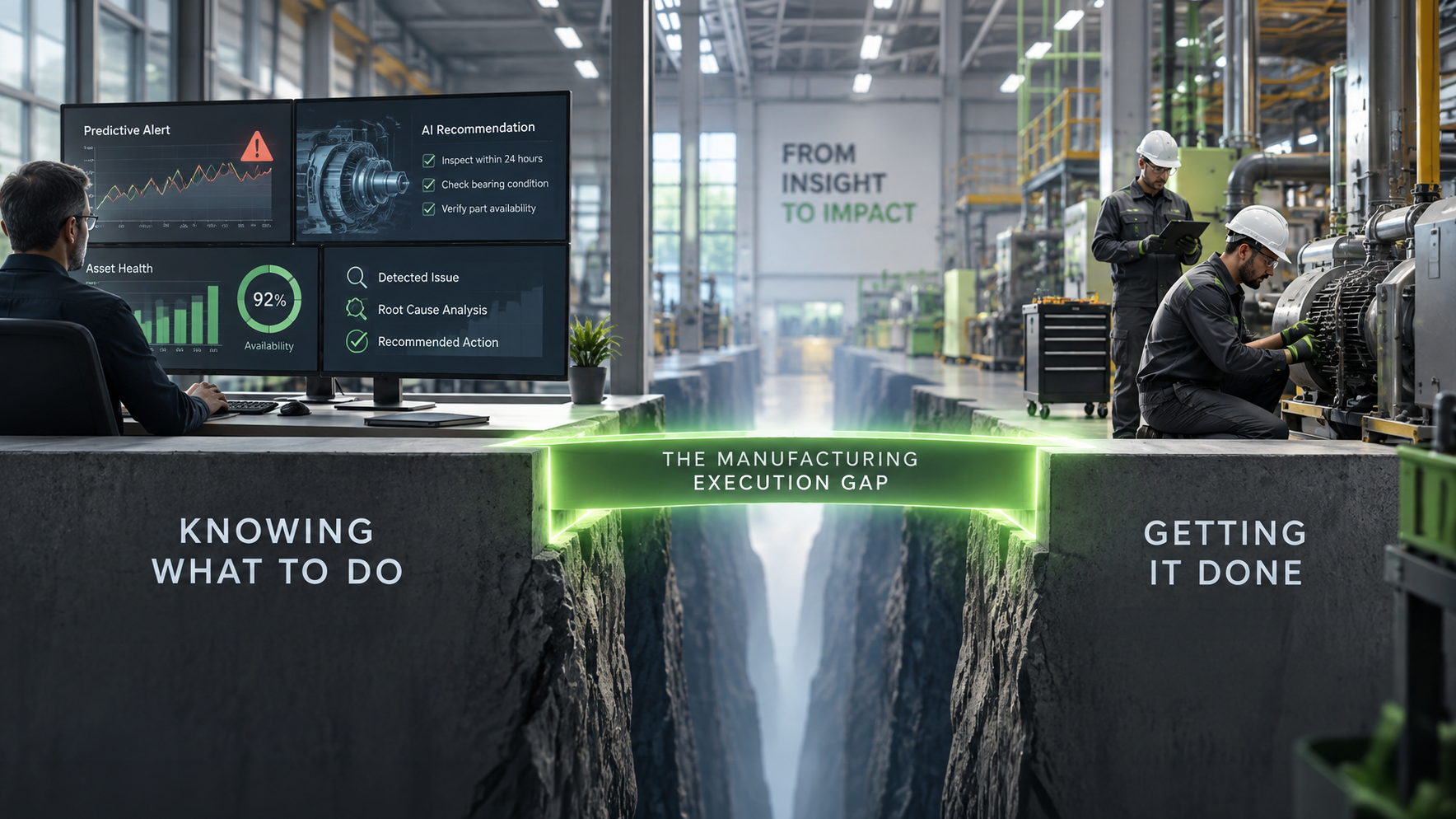
The power of predictive maintenance comes from turning raw data into clear, actionable tasks for your team. It starts with collecting real-time information from your equipment using IoT sensors that monitor conditions like vibration, temperature, and pressure. This data, along with information from PLCs and other systems, is fed into an analytics platform. There, AI and machine learning algorithms analyze patterns to identify early warning signs of failure. When a potential problem is detected, the system automatically generates an alert. The final, most critical step is delivering that alert to the right people so they can take action. Tools like Decisyon’s LOOP help close this gap, ensuring that predictive insights are immediately turned into work orders and resolved by your frontline teams.
Related Articles
- Top 10 Predictive Maintenance Software for Manufacturing
- What Is Asset Performance Management?
- Predictive Maintenance
- AI for Predictive Asset Maintenance: A 4-Step Guide
- Predictive Maintenance to Cut Downtime & Costs | Decisyon
Frequently Asked Questions
Do I need to replace my old equipment to use predictive maintenance? Not at all. This is a common concern, but modern predictive maintenance solutions are designed to work with the factory you already have. Instead of a disruptive “rip-and-replace” project, these systems act as an intelligent overlay. Using technology like a smart gateway, you can connect to a wide variety of machines, both new and old, to pull the data you need. The goal is to enhance your current assets, not force a costly and time-consuming overhaul.
How long will it take to see a return on my investment? You can see a return much faster than you might think, especially if you begin with a focused pilot program. By targeting a critical asset that is a frequent source of downtime, you can quickly demonstrate value. Often, preventing just one major unplanned shutdown can pay for the initial cost of the project. From there, the savings on maintenance, labor, and lost production continue to add up, creating a clear and compelling financial benefit over time.
Will this technology make my maintenance team’s jobs obsolete? Quite the opposite. Predictive maintenance empowers your maintenance team by transforming their role. Instead of spending their days reacting to unexpected breakdowns, they can use their skills more strategically. The technology handles the complex data analysis, freeing up your experienced technicians to focus on proactive, high-value repairs and long-term reliability improvements. It turns their institutional knowledge into a powerful asset for preventing problems, not just fixing them.
What’s the difference between predictive and prescriptive maintenance? Think of it as the difference between a warning and a solution. Predictive maintenance analyzes data to tell you that a failure is likely to happen in the future. This is a huge step forward, as it gives you time to plan. Prescriptive maintenance takes it a step further. It not only predicts the failure but also tells you why it’s happening and recommends the specific actions you should take to fix it, making the entire process even more efficient.
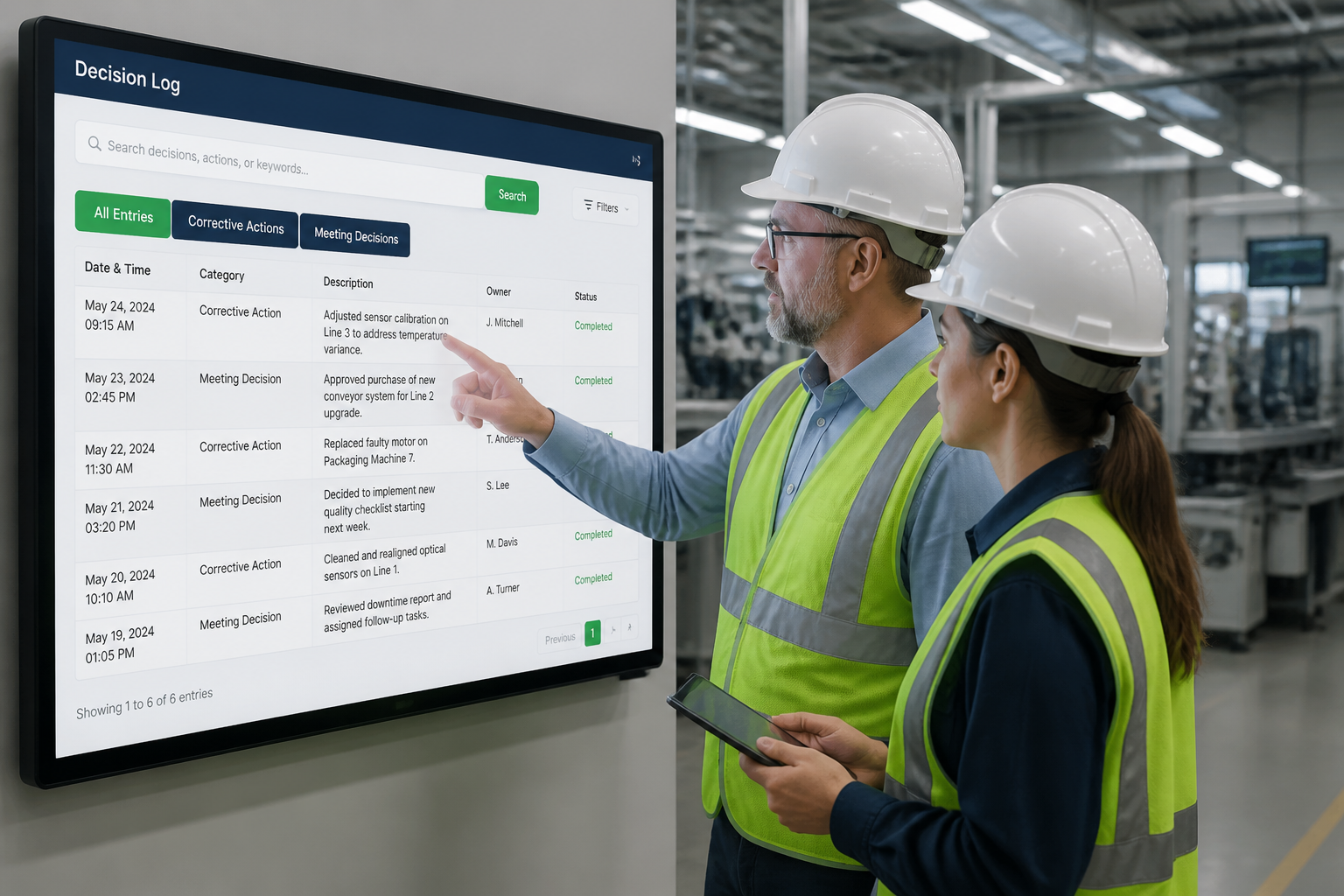
My team is already overwhelmed. How can we add another system to manage? A well-designed platform should reduce your team’s workload, not add to it. The goal is to move away from the chaos of managing issues with spreadsheets, whiteboards, and endless meetings. A good system centralizes information, automates alerts, and turns predictive insights into clear, prioritized tasks. By connecting your people and your data in one place, it simplifies communication and helps everyone focus on what matters most, giving your team more control over their day.