Your factory equipment is constantly communicating. Through subtle shifts in vibration, temperature, and pressure, your assets are telling you a story about their condition. The challenge is learning how to listen. Machine Health Monitoring is the practice of using technology to translate these signals into clear, actionable insights. Think of it as giving your equipment a voice with IoT sensors and a brain with AI to interpret what it’s saying. Instead of waiting for a catastrophic failure, you can spot developing issues long before they disrupt production. This article breaks down the technology in simple terms, showing you how to turn raw data into a more reliable and predictable operation.
Key Takeaways
- Gain Proactive Control Over Assets: Machine health monitoring is a strategy that uses real-time sensor data and AI to predict equipment failures. This allows you to move away from reactive firefighting and manage maintenance on your own terms, turning it into a controlled, strategic process.
- Drive Measurable Business Results: Adopting this strategy leads to significant operational gains, including less unplanned downtime, lower maintenance spending, and longer equipment life. It also enhances workplace safety by replacing high-risk emergency repairs with planned, controlled procedures.
- Choose a Strategic, Scalable Solution: A successful rollout requires more than just technology; it requires a smart approach. Select a flexible, modular platform that integrates with your current systems, is easy for your frontline teams to use, and allows you to start small and scale as you prove the return on investment.
What Is Machine Health Monitoring?
Machine health monitoring is the practice of using technology to continuously track the condition of your equipment. Think of it as a constant check-up for your most critical assets. Instead of waiting for a machine to break down and disrupt your entire production schedule, this approach uses sensors and software to catch the earliest warning signs of trouble. It’s about moving from a reactive state of firefighting to a proactive one of control and predictability.
The core idea is simple: machines give off signals before they fail. These signals could be subtle changes in vibration, a slight increase in temperature, or shifts in pressure. By itself, a single data point might not mean much. But when you collect this data continuously and analyze it for patterns, you can spot developing issues long before they become catastrophic failures. This is where modern smart manufacturing software comes in, turning raw data from the factory floor into clear, actionable insights.
This proactive stance allows your maintenance teams to schedule repairs at the most convenient time, rather than scrambling during an emergency shutdown. It transforms maintenance from an unpredictable cost center into a strategic part of your operation. By understanding the true health of your equipment in real time, you can make smarter decisions, improve reliability, and keep your production lines running smoothly.
How Machine Health Monitoring Works
At its core, machine health monitoring works by giving your equipment a voice. It starts with placing sensors on your critical assets to act as their eyes and ears. These sensors continuously collect real-time data on the machine’s operational state. This isn’t just a random snapshot; it’s a constant stream of information about how the machine is performing from moment to moment.
This data is then fed into an analysis program. Modern systems use artificial intelligence (AI) and machine learning to process this information, automatically spotting unusual patterns or deviations from normal behavior that could signal a developing problem. The Decisyon Smart Gateway is an example of technology that helps collect and integrate this data directly from the production line, ensuring the information is both timely and accurate.
Key Parameters to Track
To understand a machine’s health, you need to listen for the right signals. Monitoring focuses on key physical parameters that are often the first indicators of a problem. The most common ones include vibration, temperature, and pressure. For example, an unusual vibration pattern might point to a misaligned part or a worn-out bearing, while a spike in temperature could signal poor lubrication or an overworked motor.
By tracking these small changes, you can prevent big problems. The data shows that this approach delivers significant results. Companies using machine health monitoring can reduce equipment downtime by up to 50% and cut maintenance costs by as much as 30%. More importantly, it can extend the operational life of your machinery by 20-40%, helping you get more value from your existing assets and improve performance.
Condition Monitoring vs. Predictive Maintenance
It’s important to know the difference between condition monitoring and predictive maintenance, as they represent two levels of maturity. Condition monitoring (also called condition-based maintenance or CBM) involves servicing equipment only when certain indicators show a decline in performance. For example, you might schedule a repair only after a machine’s vibration exceeds a predefined threshold. It’s a step up from running a machine until it fails, but it’s still reacting to a present condition.
Predictive maintenance (PdM) takes this a step further. Instead of just reacting to a current condition, PdM uses historical and real-time data to forecast when a failure is likely to occur in the future. This allows you to schedule maintenance proactively, well before any performance decline or failure happens. This is the true power of machine health monitoring: moving beyond prediction to prescriptive maintenance, where the system not only tells you a failure is coming but also recommends the best course of action.
How IoT and AI Power Machine Health Monitoring
Machine health monitoring isn’t magic; it’s a practical strategy powered by two core technologies: the Internet of Things (IoT) and Artificial Intelligence (AI). Think of it as giving your equipment a complete nervous system. IoT sensors act as the nerve endings, constantly gathering information from your critical assets, while AI serves as the brain, processing that information to understand what it means for your operations. Together, they transform raw data from the factory floor into clear, actionable insights that your team can use to prevent failures before they happen. This powerful combination is what makes a proactive, data-driven maintenance culture possible, moving teams away from reactive firefighting and toward strategic control over asset performance. The goal is to create a digital factory where every asset is visible and its condition is understood in real time. By connecting your equipment and applying intelligence, you can see what’s happening on the floor, align on priorities, and resolve issues faster. This approach doesn’t just predict problems; it provides the visibility and context needed to turn daily chaos into daily control, making your entire operation more resilient and efficient. It’s the foundation for building a smarter, more connected manufacturing environment.
IoT Sensors: Your Equipment’s Eyes and Ears
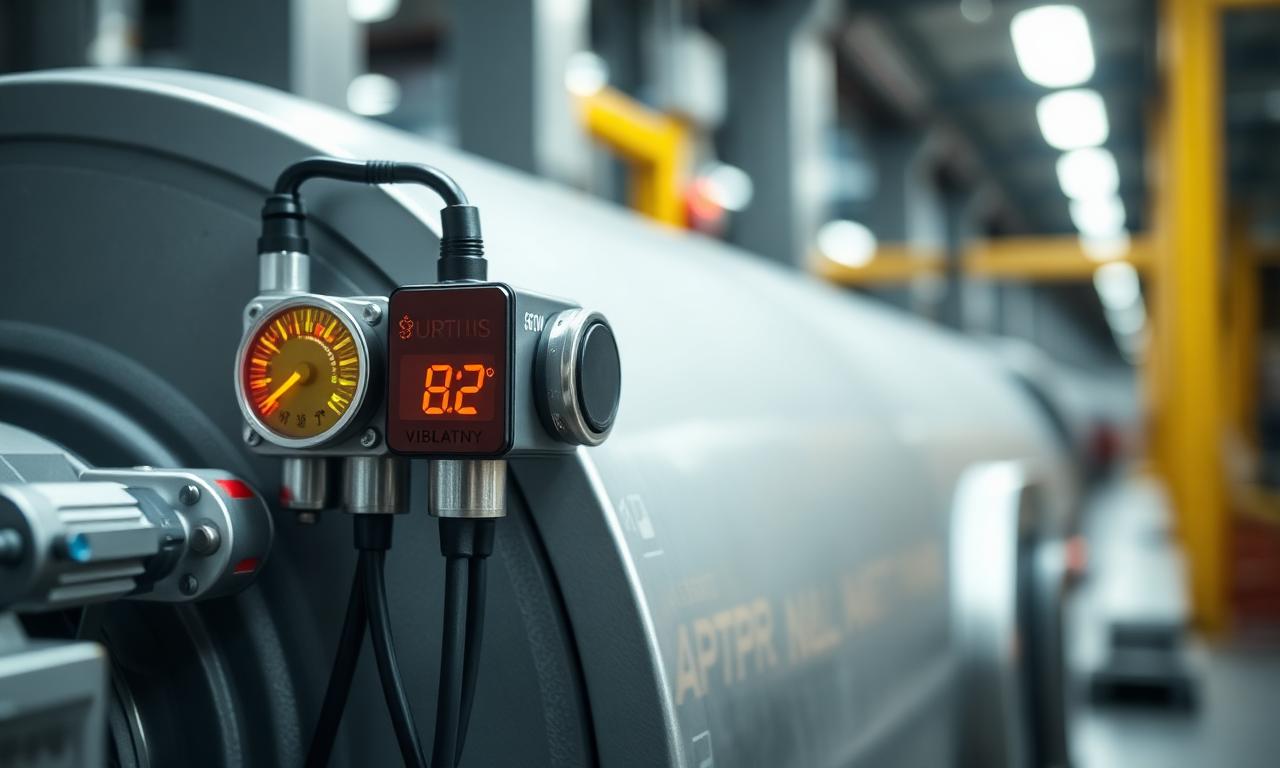
At the heart of machine health monitoring are IoT sensors. These small but powerful devices are the eyes and ears on your factory floor, continuously tracking key operational parameters. They attach directly to your critical assets to collect real-time data on conditions like vibration, temperature, pressure, and acoustics. This constant stream of information provides a live look into how your equipment is performing from moment to moment. By using a smart gateway to connect these assets, you create a network of data points that feed into a central system. This connectivity is the first step in building a comprehensive picture of your plant’s health, allowing you to capture the subtle changes that often signal an emerging issue.
AI and Machine Learning: From Data to Decisions
Collecting data is only half the battle; the real value comes from making sense of it. This is where artificial intelligence and machine learning come into play. These advanced algorithms analyze the massive volumes of data collected by IoT sensors, looking for patterns, trends, and anomalies that would be impossible for a human to spot. The AI learns what “normal” operation looks like for each piece of equipment and flags any deviation from that baseline. This intelligent analysis turns a flood of raw data into specific, contextualized alerts. Instead of just knowing a machine’s temperature, you know that its temperature is rising faster than usual, indicating a potential problem that you can visualize and act on within your operations platform.
Predictive Analytics: Finding Patterns, Preventing Problems
Predictive analytics is the ultimate output of a strong machine health monitoring program. By applying AI to historical and real-time sensor data, the system can forecast when a machine is likely to fail. This moves your maintenance strategy from reactive to truly predictive. Instead of waiting for an alarm or a breakdown, your team receives an early warning that a specific component is showing signs of wear and will likely need attention. This foresight allows you to schedule maintenance during planned downtime and order parts in advance. It’s a smart approach that not only prevents failures but also enables a move toward prescriptive maintenance, where the system recommends specific actions to resolve the predicted issue, extending equipment life and creating a safer work environment.
How Machine Health Monitoring Enables Predictive Maintenance
Machine health monitoring is the engine that drives a successful predictive maintenance strategy. By giving you a constant, real-time view into how your equipment is performing, it provides the exact data you need to stop reacting to failures and start preventing them. This proactive stance is what separates top-performing plants from the rest. It’s about turning raw data from your machines into actionable intelligence that protects your assets, your people, and your bottom line. This approach allows you to schedule maintenance on your terms, not on a machine’s unpredictable breakdown schedule.
Shifting from Reactive to Predictive Maintenance
For too long, many plants have operated on a reactive maintenance model, essentially waiting for equipment to fail before fixing it. This approach is costly, disruptive, and inefficient. Machine health monitoring helps you shift to a proactive, data-driven strategy. Using IoT sensors and AI, it continuously tracks equipment parameters like vibration, temperature, and pressure. This allows you to detect the earliest signs of a potential failure and address them before they cause downtime. It’s the difference between an emergency shutdown and a planned, controlled repair, giving you the power to manage your asset performance with foresight.
Detecting Anomalies with Early Warnings
At its core, machine health monitoring works by collecting real-time information about a machine’s condition through sensors. This stream of data is then analyzed by advanced software, often using artificial intelligence and machine learning, to spot patterns or unusual changes that signal a developing problem. Think of it as an early warning system for your factory floor. Instead of relying on manual inspections or scheduled maintenance that might be too early or too late, you get precise alerts based on the actual health of your equipment. This allows your team to investigate and resolve minor issues before they become major, costly breakdowns.
Key Metrics and KPIs for Success
The results of implementing a strong machine health monitoring program speak for themselves. Plants that adopt this strategy see significant improvements across the board. According to industry data, it can reduce equipment downtime by up to 50% and decrease overall machine breakdowns by as much as 70%. Furthermore, by catching problems early and optimizing maintenance schedules, you can extend the lifespan of your machines by 20-40%. These operational gains translate directly into financial benefits, with some facilities reporting maintenance cost reductions of up to 30%. These aren’t just numbers; they represent a more resilient and profitable operation.
The Business Case: Improving Safety and Reducing Costs
The financial argument for machine health monitoring is compelling. Fixing a small, identified issue is always cheaper than repairing a catastrophic failure or replacing an entire machine. Beyond direct repair costs, you also save money by avoiding the lost revenue from unplanned downtime. But the business case extends beyond finances. A safer workplace is a more productive one. A significant number of workplace injuries occur during urgent, high-stress emergency repairs. By enabling planned, prescriptive maintenance, you can avoid these risky situations and create a safer environment for your team, all while improving your operational efficiency.
Key Benefits of Machine Health Monitoring
Implementing a machine health monitoring system isn’t just about adding new technology; it’s about transforming your entire operation for the better. By gaining real-time insight into the condition of your equipment, you can move from a reactive state of constant fire-fighting to a proactive one of control and optimization. The benefits extend far beyond the machines themselves, impacting your bottom line, your team’s safety, and your ability to compete. Let’s explore the key advantages you can expect.
Reduce Unplanned Downtime
Unplanned downtime is the enemy of productivity and profitability. When a critical machine fails unexpectedly, it brings the entire production line to a halt, causing delays and missed targets. Machine health monitoring helps you anticipate these failures before they happen. By continuously tracking equipment performance, the system can predict potential issues, allowing you to schedule maintenance during planned downtime. This proactive approach keeps your machines running smoothly and reliably, turning chaotic, reactive repairs into a controlled process. It’s a fundamental shift that helps you maximize uptime and achieve better asset performance management.
Lower Maintenance and Repair Costs
Emergency repairs are expensive. They often involve overtime pay, expedited shipping for parts, and sometimes, the complete replacement of a machine that could have been saved. Machine health monitoring helps you catch small problems before they become catastrophic, and costly, failures. Addressing minor issues early is significantly cheaper than dealing with a major breakdown. By shifting to prescriptive maintenance, you can optimize your schedule based on actual equipment needs rather than a fixed calendar. This ensures your resources are used efficiently and your budget is protected from unexpected shocks, with some plants seeing maintenance cost reductions of up to 30%.
Extend Equipment Lifespan and Improve OEE
Your machinery is one of your most significant capital investments. Getting the most out of it is crucial for long-term success. Machine health monitoring acts like a preventative care plan for your equipment, helping to extend its operational life by as much as 20-40%. By preventing the severe wear and tear that leads to breakdowns, you can maximize the return on your asset investment. This directly impacts your Overall Equipment Effectiveness (OEE), a key measure of manufacturing productivity. With a Agentic MES that tracks performance, you can see how less downtime, consistent performance, and better quality output improve your OEE, reflecting a healthier and more profitable production environment.
Enhance Workplace Safety
A safe plant is a productive plant. A significant number of workplace injuries occur during rushed, high-stress emergency repairs on failed equipment. Machine health monitoring fundamentally improves workplace safety by reducing the need for these urgent interventions. When maintenance is planned, it can be performed in a controlled, safe environment, with the right tools, procedures, and personnel in place. This shift from reactive to proactive maintenance not only protects your machinery but, more importantly, protects your people. It creates a more stable and secure working environment where your team can organize and align on priorities safely.
Empower Teams with Data-Driven Decisions
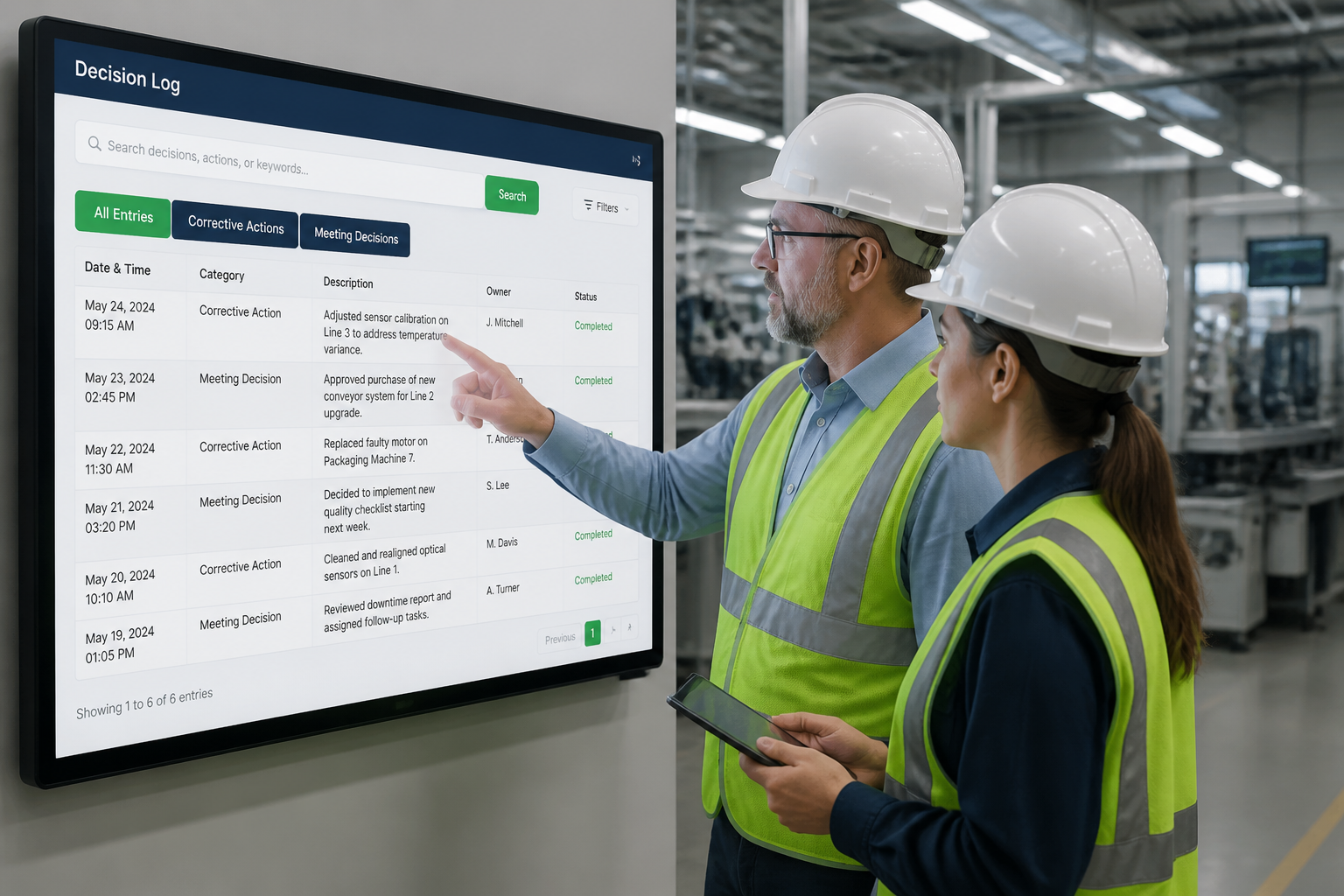
Guesswork has no place in a modern factory. Machine health monitoring replaces intuition with insight, providing your teams with the real-time data they need to make informed decisions. When operators, maintenance staff, and managers all have access to the same clear, accurate information about equipment health, they can collaborate more effectively to solve problems. This data-driven approach empowers everyone on the floor to take ownership of performance. It bridges the gap between the shop floor and the top floor, creating a culture of continuous improvement within your Decisyon Digital Factory where every team member is equipped to contribute to a more resilient operation.
Overcoming Common Implementation Challenges
Adopting a machine health monitoring system is a significant step forward, but it’s not always a simple plug-and-play process. Like any major operational improvement, the path can have a few bumps. The good news is that these challenges are well-understood and entirely solvable with the right strategy and technology partner. Most hurdles fall into four main categories: connecting to existing equipment, getting your team on board, managing the new flow of data, and controlling the overall cost.
Thinking through these potential issues ahead of time is the best way to ensure a smooth and successful implementation. By anticipating the needs of your machinery, your people, and your budget, you can build a clear roadmap that turns these challenges into stepping stones for a more resilient and efficient factory floor. The goal isn’t just to install new software; it’s to create a sustainable system that delivers real value from day one.
Integrating with Legacy Equipment
One of the first questions that comes up is, “How will this work with the equipment we already have?” Most factory floors are a mix of machinery from different eras and manufacturers, each speaking its own language. Many companies already collect data from these machines, but they struggle to understand it and use it to prevent failures. The key is finding a solution that can bridge that gap without requiring you to replace perfectly good assets.
Modern MHM platforms are designed for this exact scenario. Using flexible edge software like Decisyon’s Smart Gateway, you can connect to virtually any machine, new or old, and standardize the data it produces. This allows you to create an operational digital twin of your assets, translating raw information into a clear, unified view of machine health. This approach lets you bring your legacy equipment into your digital strategy, turning them into smart, data-producing assets.
Addressing Skill Gaps and Change Management
Technology is only one part of the equation; your people are the other. For machine health monitoring to work well, everyone from the operators on the floor to the plant manager needs to understand and support the new way of working. This isn’t about adding complexity to their day. It’s about giving them better tools to prevent problems before they start.
Successful change management starts with clear communication and training that focuses on how the system makes everyone’s job easier and more effective. When teams see that MHM helps them move from fighting fires to proactively improving performance, buy-in follows naturally. Solutions that organize workflows and centralize communication, like Decisyon’s LOOP, help embed this new, data-driven mindset into your daily operating rhythm, making the transition feel like a natural evolution rather than a disruptive change.
Managing Data Security and Alert Fatigue
Once your machines are connected, they will generate a massive amount of data. This presents two challenges: keeping that data secure and making sure your team isn’t overwhelmed by a constant stream of notifications. Without good monitoring, plants often face a flood of low-priority alerts, which causes critical warnings to get lost in the noise and leads to the very shutdowns you’re trying to prevent.
A robust MHM solution addresses this head-on. First, it must have strong security protocols to protect your sensitive operational data. Second, it should use AI to intelligently filter and prioritize alerts. Instead of just telling you that a parameter is out of spec, the system should provide context, identify the most urgent issues, and guide your team toward the right action. This turns data into direction, empowering your team to focus on what truly matters.
Controlling Implementation Costs
Of course, any new project has to make financial sense. The cost of implementing a machine health monitoring system can seem daunting, but it’s crucial to frame it as an investment rather than an expense. The right solution should deliver a clear and significant return by drastically reducing unplanned downtime, cutting maintenance expenses, and extending the life of your equipment. Many companies find their system pays for itself multiple times over.
To make the investment more manageable, look for a modular platform that allows you to start with the area of greatest need and expand over time. This “meet you where you are” approach lets you prove the value quickly with a focused project before scaling across your entire Digital Factory. A phased rollout minimizes upfront costs and risk, allowing you to build momentum and fund future expansion with the savings you’ve already generated.
How to Choose the Right Machine Health Monitoring Solution
Selecting a machine health monitoring solution is a major step, and the right choice can define your factory’s future efficiency. With so many options available, it’s easy to feel overwhelmed. The key is to look beyond the initial features and find a solution that aligns with your long-term vision, integrates with your current operations, and empowers your team from day one. Think of it as choosing a strategic partner, not just buying a piece of software. A successful implementation depends on finding a system that is flexible enough to grow with you, smart enough to work with your existing technology, and simple enough for your frontline teams to embrace. By focusing on a few core principles like scalability, compatibility, usability, and support, you can cut through the noise and identify a solution that delivers real, lasting value to your operations.
Find a Scalable and Modular Design
Your digital transformation journey won’t happen overnight. That’s why it’s critical to choose a solution that can start small and scale as your needs and budget evolve. Look for a modular design that allows you to address your most pressing challenge first, whether it’s monitoring a single critical production line or digitizing your team’s daily meetings. Many companies collect machine data but struggle to turn it into actionable insights. A modular platform lets you build your capabilities incrementally, ensuring you get a return on your investment at every stage. This approach allows you to prove the value quickly and build momentum for a broader Digital Factory initiative, adding more advanced functions as your team matures.
Ensure Compatibility with Your Existing Systems
A new monitoring solution shouldn’t require you to rip and replace your entire tech stack. The best systems are designed to act as an intelligent layer that integrates smoothly with your existing environment. Before committing, verify that the solution can connect with your current enterprise systems, like your CMMS, ERP, or even an existing MES. This compatibility is crucial for creating a single, unified view of your operations. A platform built with a powerful Smart Gateway can ensure seamless, bi-directional data flow between new sensors and legacy equipment, breaking down data silos and providing a holistic picture of plant performance without causing massive disruption to your daily workflow.
Prioritize Ease of Use and Accessibility
The most powerful analytics are useless if they aren’t accessible to the people on the shop floor. A machine health monitoring solution should be designed for your frontline teams, not just data scientists. Prioritize platforms with intuitive dashboards, clear visualizations, and straightforward workflows that make it easy to see what’s happening, align on priorities, and take action. The goal is to empower your operators and maintenance technicians with the information they need to solve problems faster. A solution like LOOP helps organize this process, turning complex data into clear tasks and facilitating collaboration so your team can move from issue detection to resolution with speed and confidence.
Evaluate Vendor Support and Training
Implementing a new technology is a process that involves people and change management, not just software installation. Look for a vendor that acts as a true partner, offering comprehensive support and training to ensure your team can get the most out of the system. A good partner will help you configure the platform for your specific needs, provide hands-on training for your staff, and offer expert advice as you move forward. This ongoing support is essential for driving user adoption and achieving your long-term operational goals. When you evaluate vendors, ask about their implementation process and the resources they provide to ensure you’re building a relationship with a team of experts committed to your success.
Machine Health Monitoring in Action: Industry Examples
Theory is one thing, but seeing machine health monitoring deliver results on the factory floor is another. Across different sectors, manufacturers are using these tools to solve unique industry challenges, from ensuring food safety to maintaining sterile production environments. The common thread is a move away from reactive problem-solving and toward proactive, data-driven control over operations. Let’s look at how this plays out in a few key industries.
Food and Beverage
In the food and beverage industry, equipment reliability is directly tied to product quality and safety compliance. Machine health monitoring is critical for equipment like industrial mixers, ovens, and packaging lines. By analyzing data from sensors, teams can predict failures before they happen, preventing costly downtime and ensuring production stays on schedule. According to industry analysis, the use of IoT for machine health monitoring can lead to a 20% reduction in maintenance costs and a 25% increase in equipment uptime, protecting both the product and the bottom line.
Pharmaceuticals
For pharmaceutical manufacturers, process integrity is non-negotiable. Machine health monitoring plays a vital role in maintaining the strict conditions required for drug efficacy and safety, such as precise temperature and humidity levels. Continuous monitoring of manufacturing equipment ensures every batch meets exacting standards. Implementing predictive maintenance in a pharmaceutical plant has been shown to significantly improve production reliability, with some facilities reporting a 30% reduction in unplanned downtime. This level of control is essential in such a highly regulated environment.
Industrial and Consumer Packaged Goods
In the fast-paced industrial and consumer packaged goods (CPG) sectors, the focus is on optimizing high-speed production lines. Companies are adopting smart sensors and analytics to monitor machinery performance in real time. This proactive approach not only enhances productivity but also extends the lifespan of valuable machinery. Leading CPG manufacturers have found that implementing these systems can increase overall equipment effectiveness (OEE) by 15% while also achieving a significant reduction in maintenance costs. It’s a clear path to improving throughput and gaining a competitive edge.
Go Beyond Monitoring with Decisyon
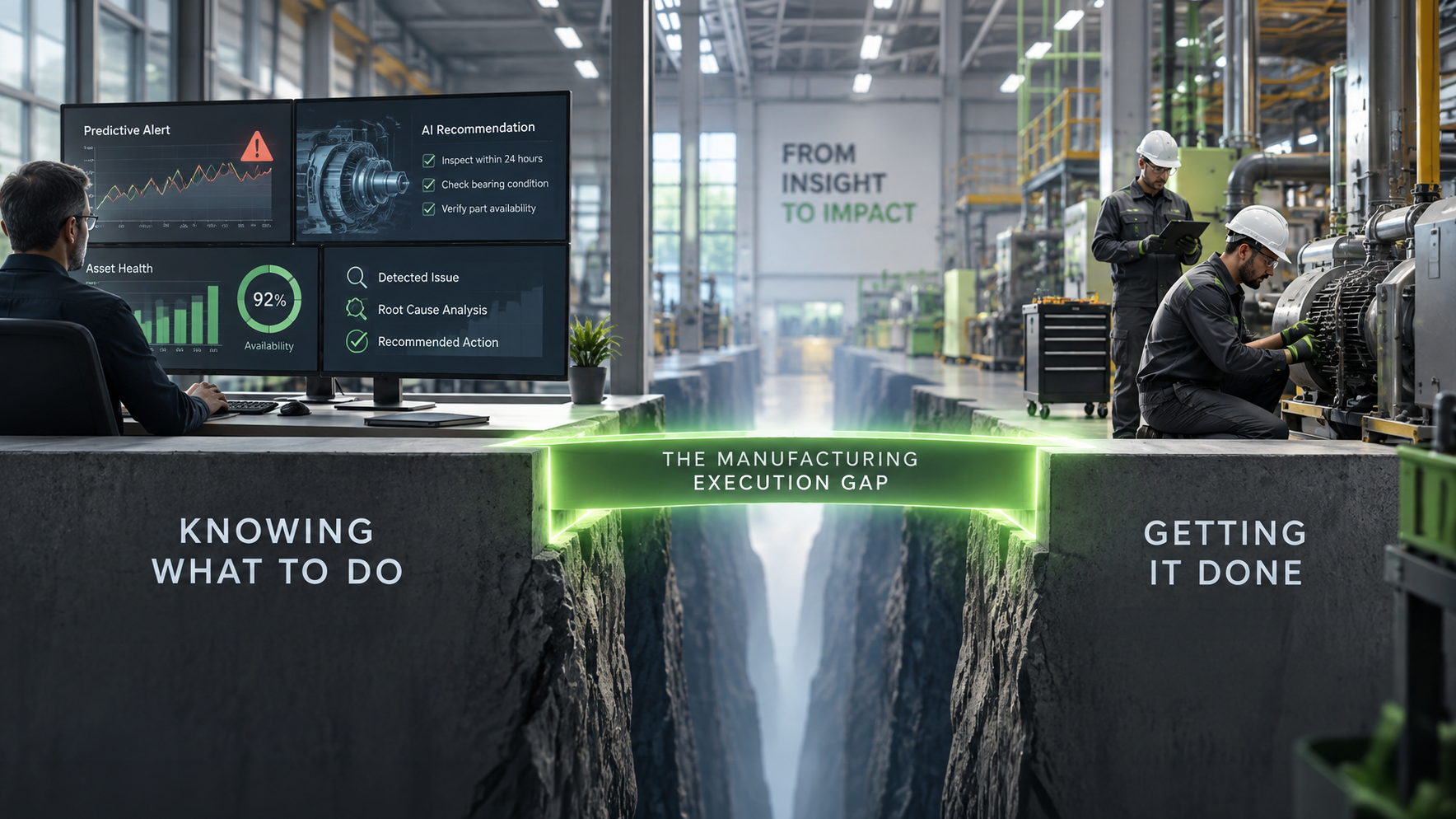
Machine health monitoring is a powerful, proactive strategy using IoT sensors and AI to predict failures before they cause downtime. But identifying a potential problem is only the first step. True operational excellence comes from what you do next: turning an alert into a coordinated, effective response. This is where simply monitoring falls short. Decisyon’s platform helps you move beyond passive monitoring by connecting insights to action, empowering your teams to transform data into decisions and tangible outcomes on the factory floor.
Move from Predictive to Prescriptive Maintenance
Predictive maintenance is a huge leap forward from reactive repairs, helping you anticipate when a machine might fail. But prescriptive maintenance is the next evolution. It moves from predicting a problem to prescribing the solution, answering not just “when” a machine might fail, but “what” to do and “why.” Decisyon’s AI-powered tools provide these actionable recommendations, turning complex data into clear guidance for your maintenance teams. This helps you optimize maintenance resources and fix issues proactively, long before they become expensive problems.
Unify Your Strategy with Asset Performance Management (APM)
Without a unified strategy, machine health data can exist in a silo, leading to confusion and missed opportunities. A robust Asset Performance Management (APM) solution brings everything together. Decisyon integrates with your existing systems, like your CMMS and ERP, to create a single, holistic view of asset health across one factory or many. This unified approach provides the context needed to make smart, coordinated decisions. By connecting machine condition to operational priorities, you can reduce unexpected shutdowns and lower overall maintenance costs.
Build Your Digital Factory, Your Way
The foundation of machine health monitoring—using IoT sensors and AI to analyze real-time data—is the engine of the modern digital factory. However, the path to digital transformation isn’t one-size-fits-all. Decisyon is designed to meet you where you are with a modular, scalable approach. You can start with your most critical challenges first, then expand your capabilities over time. This flexible framework allows you to build your Decisyon Digital Factory at your own pace, without a disruptive rip-and-replace of existing infrastructure, creating a smarter operation that fits your needs.
What’s Next for Machine Health?
The field of machine health monitoring is rapidly advancing, moving far beyond simple condition alerts. The future lies in creating a truly proactive, data-driven strategy where intelligent systems do not just report problems but anticipate them with remarkable accuracy. This evolution is powered by the growing sophistication of IoT devices and advanced AI. As these technologies become more integrated, they will enable factories to connect all their moving parts, gather more granular data, and apply complex analytics to support human decisions or even automate them. The goal is to create a manufacturing environment where equipment health is managed with the same precision as financial assets, ensuring continuous operation and peak performance. This shift transforms maintenance from a cost center into a strategic driver of operational excellence and competitive advantage.
Looking ahead, the focus will intensify on turning vast amounts of raw sensor data into clear, useful actions that prevent failures before they occur. Advanced solutions are already demonstrating the ability to reduce machine downtime by up to 50%, a figure that will only improve as predictive algorithms become more powerful. This translates directly into significant cost savings and a measurable return on investment for manufacturers who adopt these technologies. The next generation of machine health systems will not only predict a failure but also diagnose its root cause and recommend specific corrective actions. This move towards prescriptive intelligence empowers teams on the factory floor to act decisively, making operations safer, more efficient, and ultimately more profitable.
Related Articles
- AI for Predictive Asset Maintenance: A 4-Step Guide
- Top 4 Benefits of AI in Predictive Maintenance
- Top 10 Predictive Maintenance Software for Manufacturing
- Predictive Maintenance to Cut Downtime & Costs | Decisyon
- 5 Best AI Asset Performance Management Solutions
Frequently Asked Questions
My team already performs regular maintenance. How is machine health monitoring different? Think of it as the difference between a yearly check-up and a 24/7 health tracker. Traditional maintenance often relies on a fixed schedule or waiting for something to break, which can be inefficient and disruptive. Machine health monitoring uses real-time data from your actual equipment to understand its current condition. This allows you to move from a reactive or calendar-based approach to a proactive one, addressing issues based on real needs rather than guesswork.
Do I need to replace all my old equipment to implement this? Not at all. This is a common concern, but modern solutions are specifically designed to integrate with the equipment you already have. Using flexible technology like a smart gateway, you can connect to both new and legacy machines, translating their different data streams into one unified language. This allows you to bring your existing assets into your digital strategy without a costly and disruptive overhaul.
This sounds great, but will my team be overwhelmed by alerts or complex software? That’s a valid concern, and the right solution is designed to prevent it. A smart system uses artificial intelligence to filter out the noise and only flag the issues that truly matter. Instead of a constant flood of notifications, your team receives specific, prioritized alerts with context. The goal is to make data simple and actionable, empowering your frontline teams with clear insights they can use, not to bury them in complexity.
What if I can’t afford to overhaul my entire factory at once? How can I get started? You don’t have to. The most effective approach is often a modular one. You can start by focusing on a single critical production line or tackling your most persistent maintenance problem. This allows you to prove the value and see a return on investment quickly. Once you demonstrate success in one area, you can use those results to build a case for expanding the initiative across your plant at a pace that makes sense for your budget.
What’s the real difference between predicting a failure and actually preventing it? Predicting a failure is like a weather forecast telling you a storm is coming; it’s valuable information, but it’s not a solution by itself. Preventing the failure is the next crucial step. The most advanced systems move beyond simple prediction to offer prescriptive guidance. They not only alert you to a potential issue but also recommend the specific actions your team should take to resolve it, turning a warning into a clear, actionable plan that keeps your operations running smoothly.