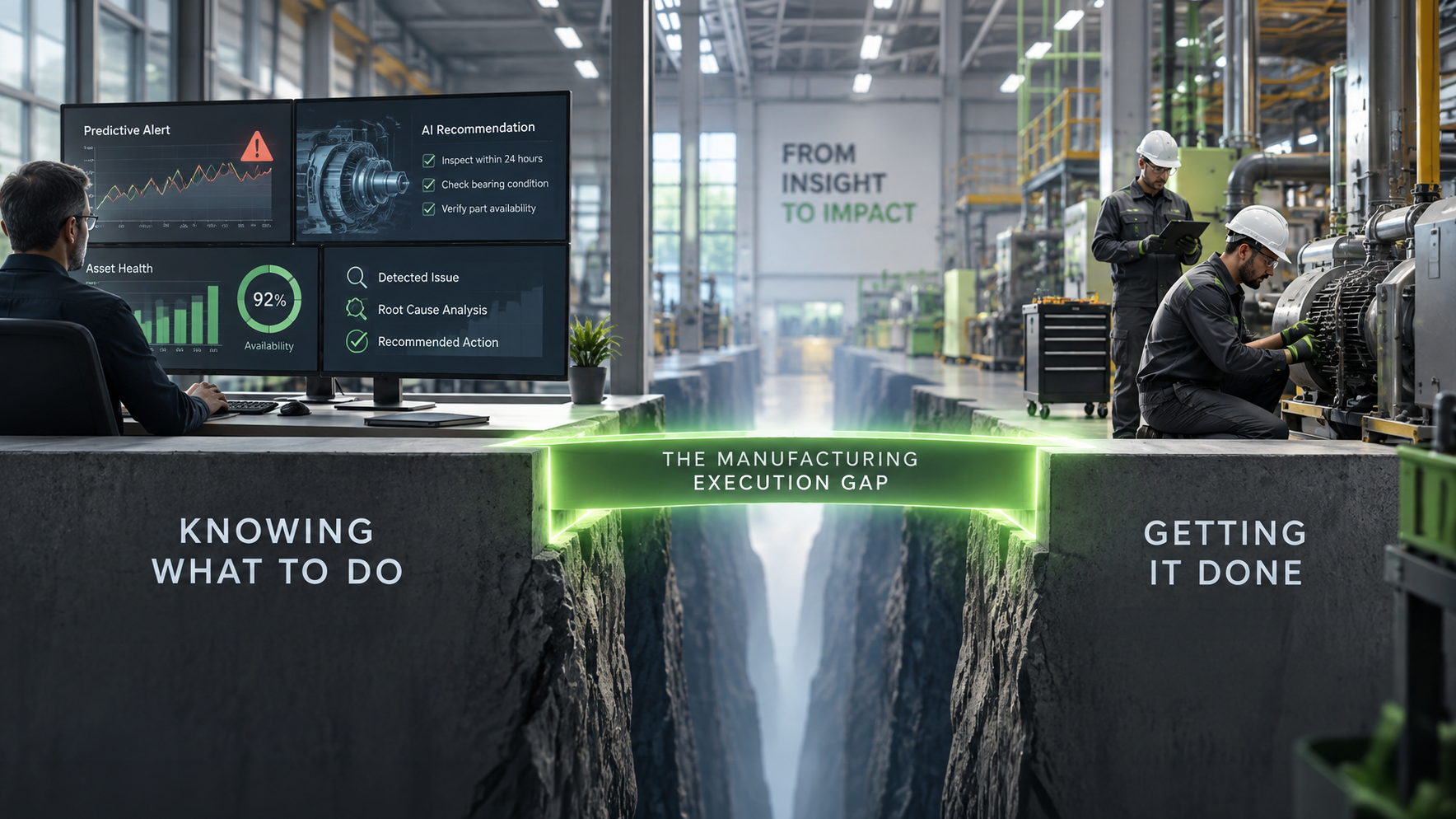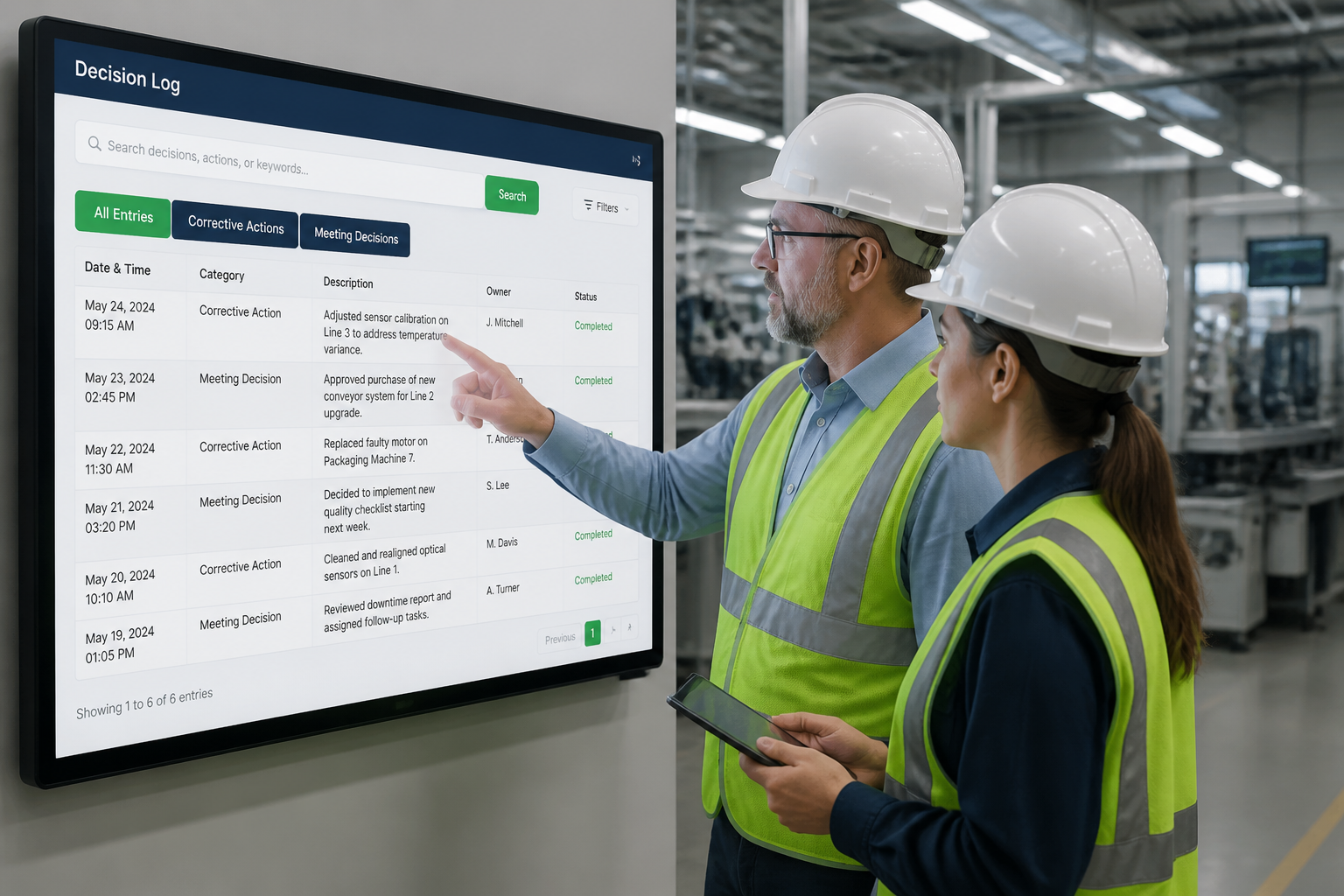
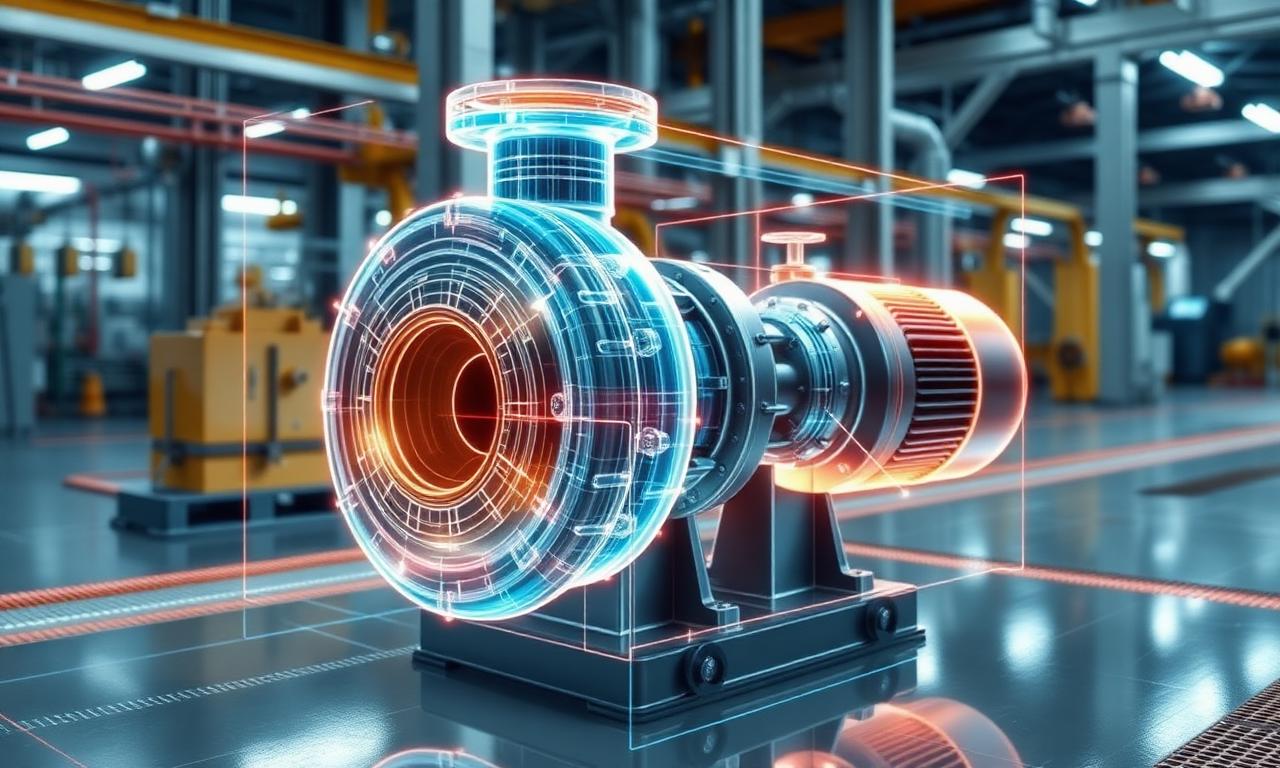
Many manufacturers are already familiar with the concept of predictive maintenance, using historical data to forecast potential equipment issues. But what if you could go a step further? What if you could not only predict a failure but also simulate it, test different solutions, and understand the root cause without risking your physical assets? This is the evolution that Digital Twin Predictive Maintenance represents. It moves beyond simple forecasting by creating a dynamic, virtual model of your machinery that is constantly fed with real-time data. This allows you to run “what-if” scenarios, understand how different operational conditions affect component life, and make maintenance decisions with a level of confidence and precision that traditional methods simply cannot match.
Key Takeaways
- Add Context to Your Predictions: A digital twin strengthens predictive maintenance by creating a live, virtual model of your physical assets. This allows you to simulate operational scenarios and understand the root cause of potential issues, moving beyond simple failure alerts.
- Drive Measurable Business Outcomes: This proactive approach directly impacts your bottom line by significantly reducing unplanned downtime and optimizing maintenance schedules. The result is lower operational costs, longer asset life, and improved overall equipment effectiveness (OEE).
- Adopt a Practical, Scalable Strategy: You can begin without a disruptive factory-wide overhaul. The most effective path is to define a specific business goal, launch a focused pilot project on a critical asset, and prove the return on investment before scaling up.
What Is a Digital Twin?
Think of a digital twin as a living, virtual replica of a physical object or system on your factory floor. It’s not just a static 3D model; it’s a dynamic simulation that is constantly fed real-time data from its physical counterpart. This connection allows the digital version to mirror the real-world asset’s condition, performance, and entire lifecycle. By creating this virtual copy, you gain a complete, holistic view of your operations, moving beyond spreadsheets and siloed data. This comprehensive visibility is a cornerstone of building a true Decisyon Digital Factory, where you can simulate processes, anticipate problems, and optimize performance before making changes in the real world.
Core Components
A digital twin isn’t just one piece of technology; it’s a combination of three key elements working together. First is the information model, which acts as the detailed digital blueprint of the physical asset. Second is data communication, the constant, two-way conversation between the physical machine and its virtual copy. A Smart Gateway helps manage this flow, collecting and transmitting data from sensors. Finally, there’s data processing. This is where the system uses powerful tools like artificial intelligence to analyze the incoming stream of information, find patterns, and generate actionable insights from complex data sets. Together, these components create a powerful, intelligent model of your operations.
How It Works in Manufacturing
In a manufacturing setting, a digital twin is a game-changer for maintenance. Instead of reacting to breakdowns or sticking to a rigid maintenance schedule, you can use the twin to see what’s really happening inside your equipment. The virtual model accurately shows not just the machine’s structure, but also its operational behavior, physical properties, and even how it wears down over time. By analyzing this data, the system can detect early signs of trouble and predict future failures with surprising accuracy, even estimating how severe a problem might become. This allows your team to move from reactive fixes to proactive, data-driven maintenance strategies, a key step toward prescriptive maintenance.
What Is Predictive Maintenance?
Predictive maintenance (PdM) is a proactive strategy that uses data analysis and modeling to forecast when a piece of equipment might fail. Instead of waiting for a breakdown or performing maintenance on a rigid, time-based schedule, this approach allows your teams to perform service at just the right moment. The core idea is to prevent unexpected downtime, reduce the costs tied to emergency repairs, and extend the lifespan of your critical assets. By analyzing historical performance and real-time operational data, you can shift your maintenance culture from a reactive “firefighting” mode to a more strategic, forward-looking plan that keeps production running smoothly. This data-driven approach helps you get the most value out of every machine on your factory floor.
Reactive, Preventive, and Predictive Maintenance
Most maintenance strategies fall into one of three categories. Reactive maintenance is the classic “if it isn’t broken, don’t fix it” model, where you only act after a failure occurs. This often leads to chaotic, costly emergency repairs and significant production halts. Preventive maintenance is a step up, involving service at scheduled intervals to reduce failure risk. While better, it can result in unnecessary work and replacing parts that still have plenty of life left. Predictive maintenance is the smartest of the three. It uses real-time data to anticipate failures, allowing you to schedule maintenance precisely when it’s needed. This optimizes both labor and material resources, setting the stage for even more advanced strategies like prescriptive maintenance.
Using IoT and Data to Predict Failures
The effectiveness of predictive maintenance truly hinges on good data. This is where the Industrial Internet of Things (IIoT) comes into play, enabling you to connect sensors and devices across your factory floor. These sensors gather a constant stream of information on equipment performance, including vibration, temperature, pressure, and operational cycles. This wealth of information is collected and orchestrated by tools like a Smart Gateway, which can filter data at the source and send the most critical information for analysis. By feeding this data into advanced analytics models, you can identify subtle patterns that signal a potential issue, allowing you to make informed decisions long before a problem escalates. This moves you beyond the limitations of static equipment views and manual guesswork.
How Digital Twins Power Predictive Maintenance
Combining digital twins with predictive maintenance creates a powerful system for anticipating and preventing equipment failures. While predictive maintenance uses data to forecast issues, a digital twin provides the dynamic, virtual environment to make those predictions more accurate and actionable. It’s the difference between looking at a spreadsheet of sensor data and watching a live, virtual replica of your machine show you exactly where and when a problem will occur. This combination moves maintenance from a reactive or scheduled activity to a proactive, data-driven strategy. By creating a digital twin of your factory, you gain the insight needed to simulate outcomes, predict problems, and take action before downtime happens. This approach allows you to manage your assets with a level of foresight that traditional methods simply can’t match.
Monitor and Integrate Data in Real Time
A digital twin is far more than a static 3D model. It’s a living, breathing virtual copy of a physical asset, continuously updated with real-time data from IoT sensors. These sensors capture everything from temperature and vibration to pressure and output. This information is fed into the twin, creating a highly accurate virtual model that reflects not just how your equipment looks, but how it’s actually performing at any given moment. This includes its physical properties, operational behavior, and even how it degrades over time. This constant flow of data is the foundation of predictive maintenance, providing the rich, contextual information needed to understand asset health in real time.
Simulate and Forecast Failures
Once your digital twin is synchronized with its physical counterpart, you can use it to look into the future. By applying advanced analytics and AI, the twin can run simulations to test different operational scenarios and forecast potential failures. For example, you can simulate running a machine at a higher speed or with a different material to see how it affects component wear. The system can detect subtle anomalies that signal a developing problem and predict not only if a failure will occur, but when and how severe it might be. This makes maintenance smarter and more effective, allowing you to move beyond guesswork and schedule interventions with precision.
Close the Loop from Data to Action
The ultimate goal of digital twin predictive maintenance is to turn insight into action. A digital twin provides a safe, virtual environment to test maintenance strategies before applying them to your real-world equipment. You can simulate a repair procedure to see if it solves the problem or identify potential safety risks without interrupting production. This ability to close the loop from data to simulation to action is what makes the technology so transformative. It empowers your teams to make faster, more confident decisions, ensuring that the right maintenance is performed at the right time, preventing accidents, and minimizing disruptions to your operations.
The Business Impact of Digital Twin Predictive Maintenance
Moving from a reactive “fix-it-when-it-breaks” model to a proactive strategy creates a significant competitive advantage for any manufacturing operation. Combining digital twins with predictive maintenance delivers tangible results that directly impact the bottom line. By creating a virtual replica of your physical assets and processes, you gain an unparalleled view into equipment health and performance. This isn’t just about collecting data; it’s about turning that data into foresight.
This foresight allows you to anticipate failures, optimize maintenance schedules, and make smarter, data-driven decisions on the factory floor. Instead of being caught off guard by unexpected breakdowns, your teams can address potential issues before they disrupt production. Implementing a digital factory solution powered by digital twins helps you move from daily chaos to daily control, transforming how you manage your most critical assets and processes. The result is a more resilient, efficient, and profitable operation, with an impact that is felt across the entire organization.
Reduce Unplanned Downtime
Unplanned downtime is one of the biggest drains on a manufacturer’s profitability. Every minute a machine is unexpectedly offline is a minute of lost production. Digital twin predictive maintenance directly tackles this problem by helping you fix equipment before it fails. By continuously analyzing real-time data from sensors on your machinery, the digital twin can identify subtle changes in performance that signal a future breakdown. This allows your maintenance teams to shift from reactive repairs to scheduled, proactive interventions. Instead of scrambling when an alarm sounds, they can plan maintenance during scheduled downtime, ensuring the right parts and people are ready. With a clear view of asset health, you can manage performance with confidence and keep operations on track.
Lower Maintenance Costs and Extend Asset Life
Preventive maintenance, which relies on fixed schedules, often leads to unnecessary work and wasted resources. Parts are replaced before their useful life is over, just to be safe. Digital twin predictive maintenance offers a much smarter, more cost-effective alternative. By creating a highly accurate virtual model, the twin can forecast the Remaining Useful Life (RUL) of equipment and its components. This means you perform maintenance only when it’s actually needed, optimizing your spend on spare parts and labor. This targeted approach not only lowers direct maintenance costs but also extends the overall life of your expensive machinery. By avoiding both premature replacements and catastrophic failures, you maximize the return on your capital investments.
Make Faster, More Confident Decisions
In a traditional manufacturing environment, maintenance decisions often rely on experience, intuition, and a bit of guesswork. A digital twin replaces that uncertainty with data-backed confidence. It provides a single, reliable source of truth about equipment status, allowing your teams to quickly understand asset health and predict future problems without ambiguity. This empowers maintenance managers and operators to make faster, more informed decisions. When the digital twin flags a potential issue, it also provides the context needed to determine the best course of action. By connecting your frontline teams with clear, actionable insights, you can foster collaboration and resolve issues before they escalate.
Improve Throughput and OEE
Ultimately, the goal of any manufacturing improvement is to produce more with the assets you have. Digital twin predictive maintenance directly contributes to higher throughput and Overall Equipment Effectiveness (OEE). By minimizing unplanned downtime and optimizing maintenance schedules, you increase the availability and performance pillars of your OEE calculation. Your machines simply run for longer and produce more. Furthermore, the simulation capabilities of a digital twin allow you to test process improvements and “what-if” scenarios in a virtual environment without risking disruption to live production. This holistic view, often visualized in a manufacturing control tower, connects asset health directly to production output and drives continuous improvement.
Top Industries for Digital Twin Predictive Maintenance
While digital twin predictive maintenance offers advantages to nearly any manufacturer, its impact is most profound in industries where operational stakes are highest. Think of sectors with complex, high-value equipment, stringent regulatory oversight, and incredibly high costs associated with unplanned downtime. In these environments, moving from a reactive “fix it when it breaks” model to a proactive, predictive strategy is not just an improvement; it is a fundamental competitive advantage. By creating a virtual replica of physical assets, teams can anticipate problems, optimize performance, and make data-driven decisions with confidence.
This technology is creating significant value in several key areas. For companies in industrial manufacturing, food and beverage, consumer packaged goods, and pharmaceuticals, digital twins are becoming an essential tool for maintaining operational resilience and excellence. Each of these industries faces unique pressures, from managing intricate machinery and ensuring product safety to navigating volatile supply chains and adhering to strict compliance standards. Digital twin predictive maintenance provides a powerful, flexible solution to address these challenges head-on, turning operational data into a strategic asset that drives efficiency, reduces costs, and protects revenue.
Industrial and Heavy Manufacturing
In industrial and heavy manufacturing, equipment is complex, expensive, and operates under intense conditions. The financial impact of a single unplanned shutdown on a critical assembly line or piece of machinery can be astronomical. Digital twins provide a crucial layer of insight by creating a dynamic, virtual model of these physical assets. This allows teams to monitor equipment health in real time and run simulations to forecast potential failures. A report from Deloitte highlights how digital twins can help manufacturers optimize their operations by predicting equipment failures and improving maintenance schedules. This proactive approach minimizes costly downtime and extends the life of valuable machinery, ensuring production targets are met consistently.
Food and Beverage
For the food and beverage industry, product quality, safety, and compliance are non-negotiable. A failure in a production line can lead to spoiled batches, safety recalls, and significant damage to brand reputation. Digital twins help mitigate these risks by simulating the entire production process, from ingredient mixing to final packaging. This allows manufacturers to predict potential equipment failures that could compromise product integrity, such as a temperature deviation in a pasteurizer. Research on the application of digital twin technology in food manufacturing confirms that this capability is essential for optimizing maintenance, minimizing waste, and ensuring that production lines run smoothly and safely.
Consumer Packaged Goods
The consumer packaged goods (CPG) sector operates on tight margins, high volumes, and the need for an agile supply chain. Keeping production lines running efficiently is critical to meeting fluctuating consumer demand and maintaining service levels. Digital twins are instrumental in connecting shop floor operations with the broader supply chain. According to McKinsey, digital twins can enhance visibility across the supply chain, allowing CPG companies to better align production with demand forecasts. By predicting maintenance needs for packaging lines or processing equipment, companies can schedule service during planned changeovers, reducing costly interruptions and ensuring products get to market on time.
Pharmaceutical Manufacturing
In pharmaceutical manufacturing, precision, reliability, and regulatory compliance are paramount. There is no room for error when producing life-saving medicines. Digital twins are becoming a critical tool for ensuring both product integrity and operational efficiency in this highly regulated environment. By providing real-time monitoring and a verifiable digital record of equipment performance, they help manufacturers adhere to stringent standards. The International Society for Pharmaceutical Engineering notes that implementing digital twins in pharmaceutical manufacturing enables predictive maintenance that can significantly reduce downtime. This ensures that critical production processes remain in a constant state of control and validation.
What Data Powers a Digital Twin?
A digital twin is only as smart as the data it receives. Think of it like a detective: the more clues it has, the better it can solve the case. For a digital twin, the “case” is predicting when a piece of equipment might fail. It doesn’t rely on a single source of information. Instead, it pulls together multiple streams of data to create a complete, dynamic, and incredibly detailed picture of your asset’s health and performance. This holistic view is what makes it such a powerful tool for predictive maintenance.
The real magic happens when you combine real-time information with historical context and operational data. This fusion of data allows the twin to not only see what’s happening right now but also understand why it’s happening and what is likely to happen next. By connecting these different data points, your digital factory platform can move beyond simple monitoring to deliver truly actionable predictions that help your team prevent downtime before it starts. It’s about creating a comprehensive story for every critical asset on your factory floor.
Sensor and IoT Data
This is the live feed from your factory floor. A digital twin is a living, virtual copy of a physical asset, and it stays alive by being constantly updated with real-time data. This information comes from sensors and Internet of Things (IoT) devices attached directly to your machinery. These sensors measure critical operating parameters like vibration, temperature, pressure, speed, and energy consumption.
This constant stream of data allows the twin to mirror the exact condition of its physical counterpart, moment by moment. If a bearing starts to overheat or a motor begins to vibrate abnormally, the digital twin sees it instantly. A Smart IoT Gateway is essential for securely collecting, filtering, and analyzing this raw data right at the source, ensuring the twin has the clean, immediate information it needs to detect the earliest signs of trouble.
Historical Maintenance Records
While real-time data tells you what’s happening now, historical data tells you what has happened before. Predictive maintenance uses past information and models to forecast when a machine might fail. This includes everything from maintenance logs and work orders to records of past component replacements and previous breakdowns. This information provides crucial context that helps the digital twin learn an asset’s unique behavior over its entire lifecycle.
By analyzing this history, the model can identify recurring failure patterns. For example, it might learn that a specific component tends to fail after a certain number of operating hours or under specific load conditions. This historical perspective is a key part of effective asset performance management, as it allows the twin to compare current performance against past trends to make more accurate predictions about the future.
Operational and Environmental Data
No machine operates in a vacuum. Its performance is influenced by a wide range of operational and environmental factors. A digital twin collects and uses all types of data, including equipment status, environmental conditions, and production history, to make its predictions much more accurate. This can include information like production schedules, shift changes, operator inputs, raw material batches, and even the ambient temperature and humidity on the factory floor.
A sudden spike in temperature might not be a sign of failure if the production line just switched to a more intensive process. By incorporating this broader context, the twin can distinguish between normal operational variations and true anomalies that signal a problem. A Agentic MES helps digitize these workflows and data points, giving the twin the full operational picture it needs to understand the root cause of performance changes.
Simulation Models and Machine Learning
This is where all the data comes together to create a prediction. Digital twins use this rich data to build highly accurate virtual models that reflect not just how equipment looks, but also its physics, properties, and wear characteristics. These models are the “brain” of the operation. They can run “what-if” scenarios to simulate how an asset will perform under different conditions without any risk to the physical equipment.
On top of these models, advanced methods like AI and machine learning are used to analyze the data and detect problems. These algorithms are trained to spot subtle, complex patterns in the data that a human might miss. This is what allows the system to move from simply predictive to prescriptive maintenance, not only forecasting a failure but also recommending the specific actions your team should take to prevent it.
From Predictive to Prescriptive Maintenance
Predicting a potential failure is a massive leap forward from simply reacting to one. But what if your system could do more than just raise a flag? What if it could tell you exactly what to do about it, and why? That’s the difference between predicting the future and actively shaping it. This next step in maintenance evolution moves you from predictive to prescriptive, turning your data into a clear, actionable plan.
What Is Prescriptive Maintenance?
Prescriptive maintenance takes the insights from predictive models and adds the crucial next step: a recommended solution. While predictive maintenance answers “What will happen, and when?”, prescriptive maintenance answers “What should we do about it?”. It doesn’t just forecast a potential equipment failure; it also suggests specific actions to prevent it, optimizing for factors like cost, resources, and production impact.
This approach uses advanced analytics and AI to weigh different scenarios and recommend the best course of action. For example, instead of just alerting you that a bearing is likely to fail within 72 hours, a prescriptive maintenance system might recommend replacing it during a scheduled changeover in 48 hours, providing a step-by-step work order and ensuring the part is available.
Using AI to Close the Loop
Artificial intelligence is the engine that makes prescriptive maintenance possible. AI algorithms analyze huge volumes of data from IoT sensors, historical maintenance logs, and operational systems to identify subtle patterns that a human might miss. This allows the system to not only predict failures with high accuracy but also to determine the root cause.
More importantly, AI closes the loop between insight and action. It creates a dynamic feedback system where it prescribes an action, monitors the outcome, and learns from it. If a recommended action resolves an issue efficiently, the system learns to prioritize that solution in the future. This continuous learning cycle makes your maintenance strategy smarter and more effective over time, turning your digital factory into a self-improving operation.
Common Implementation Challenges
Adopting digital twin predictive maintenance is a powerful move, but like any significant operational upgrade, it comes with its own set of hurdles. Understanding these common challenges ahead of time is the first step to creating a smooth and successful implementation plan. The good news is that for every challenge, there are practical solutions and strategies that can help you clear the path to a more predictable and efficient factory floor.
Managing Data Quality and Volume
A digital twin is only as smart as the data it receives. While traditional predictive maintenance often suffers from a lack of failure data, digital twins can generate a constant stream of information. This solves one problem but creates another: managing the immense volume and ensuring the quality of that data. Without a solid strategy, you can easily find yourself with a flood of noisy, irrelevant information. The key is to filter and process data effectively, often right at the source, to ensure that only valuable insights are sent to your central systems for analysis.
Integrating with Existing Systems
Your factory is likely a complex environment with a mix of legacy equipment and modern machinery, each with its own software and protocols. The thought of integrating a new platform into this existing IT and OT landscape can be daunting. Many manufacturers worry about the cost and disruption of a “rip-and-replace” project. A successful implementation depends on finding a platform designed for interoperability. The right solution should act as an overlay, connecting to your existing assets and systems through a Smart Gateway to unify your data without requiring a complete overhaul of the technology you already have.
Meeting Computational and Scalability Demands
Running complex simulations and real-time analytics for an entire factory requires significant computing power. This “computational burden” can seem like a major barrier, especially for small to mid-sized operations. However, modern architectures that combine edge and cloud computing can distribute this workload efficiently. By performing initial analysis and data filtering on edge devices located on the factory floor, you reduce the amount of information sent to the cloud. This makes the system faster, more responsive, and more scalable, allowing you to start with a single production line and expand your digital factory as your needs grow.
Preparing Your Team for Change
Technology is only part of the equation; your people are what make it work. Shifting from a reactive “break-fix” maintenance culture to a proactive, data-driven one requires a change in mindset and workflows. Teams need training and tools that empower them to use the new insights effectively. Digital twins allow your staff to test scenarios and understand equipment behavior without risk, turning them from firefighters into strategists. Fostering this change involves clear communication and providing collaborative tools like LOOP that help teams align on priorities and take action based on shared, real-time data.
How to Get Started with Digital Twin Predictive Maintenance
Adopting digital twin technology for predictive maintenance might sound like a massive undertaking, but it doesn’t have to be. The most successful implementations don’t happen overnight with a factory-wide overhaul. Instead, they begin with a clear plan and a focused, step-by-step approach that proves value quickly. By breaking the process down, you can build momentum, demonstrate a tangible return on investment to stakeholders, and create a solid foundation for scaling across your operations. Think of it as a strategic journey, not a single, disruptive leap.
This methodical approach allows you to manage risk while building internal expertise. Starting with a specific, high-impact business problem lets you prove the concept on a smaller scale before committing to a larger rollout. This not only makes it easier to secure buy-in from your team and leadership but also ensures the technology is configured to solve your most pressing challenges from day one. Here’s a practical, four-step guide to bring the power of digital twin predictive maintenance to your factory floor without disrupting your business.
Define Clear Objectives
Before you connect a single sensor, you need to know what you want to achieve. What is the most pressing maintenance challenge you’re facing? Are you trying to reduce unplanned downtime on a critical bottleneck machine? Extend the life of expensive components? Or improve safety by predicting failures before they happen? Your objectives should be specific, measurable, and tied to a clear business outcome.
A common challenge in predictive maintenance is not having enough historical data on machine failures to build accurate models. A digital twin helps solve this by generating real-time data that can be used to simulate potential failures. By defining your goals upfront, you can focus your efforts on the assets and data streams that will have the biggest impact on your KPIs.
Connect Your Equipment, Lines, and Sensors
A digital twin is only as good as the data it receives. To create a living, virtual copy of your equipment, you need to feed it a constant stream of information from the physical world. This starts with connecting your machines, production lines, and sensors to a central platform. This data can include everything from vibration and temperature to pressure, speed, and energy consumption.
The goal is to capture the real-time operational state of your assets. A Smart Gateway can securely collect, filter, and analyze raw data from both new and legacy equipment. This orchestrated data stream becomes the lifeblood of your digital twin, enabling it to mirror what’s happening on the factory floor with incredible accuracy and provide the basis for predictive insights.
Integrate Without Ripping and Replacing
One of the biggest fears for manufacturers is that new technology will require a costly and disruptive “rip-and-replace” of their existing systems. The good news is that modern smart factory platforms are designed to work with what you already have. An effective digital twin solution should act as an intelligent overlay that integrates seamlessly with your current IT and OT environment, including your MES, ERP, and SCADA systems.
This approach allows you to enhance your current processes rather than starting from scratch. By connecting disparate data sources, the platform unifies your operational view and provides a single source of truth. This makes it possible to get started quickly and evolve your digital capabilities without disrupting the work that’s already happening on the floor.
Start Small, Measure ROI, and Scale Up
Don’t try to boil the ocean. The best way to get started with digital twin predictive maintenance is to begin with a focused pilot project. Choose a single critical asset or one production line where unplanned downtime is particularly painful. This allows you to test your approach in a controlled environment, learn valuable lessons, and demonstrate a clear return on investment.
A pilot project lets you test ideas and predict outcomes without risking your actual equipment. Once you’ve proven the value and your team is comfortable with the new tools, you can scale the solution to other lines and plants. A modular platform that lets you start with frontline operations management using a tool like LOOP and add predictive capabilities later supports this scalable, ROI-driven strategy.
Related Articles
Frequently Asked Questions
What’s the difference between a digital twin and a standard 3D model? Think of a 3D model as a static blueprint; it shows you the design of your equipment. A digital twin, however, is a living, dynamic replica. It’s connected to your actual machine through sensors and is constantly updated with real-time data. This means the twin doesn’t just show you what the machine looks like, it shows you how it’s performing at this very moment, including its temperature, vibration, and operational state.
Do I have to replace all my old equipment to use digital twins? Not at all. This is a common concern, but a “rip-and-replace” approach isn’t necessary. Modern smart factory platforms are designed to be flexible. They act as an intelligent layer that integrates with the systems and machinery you already have. Using tools like a smart gateway, you can connect to both new and legacy equipment, unifying your data without the cost and disruption of a complete overhaul.
We already have a preventive maintenance schedule. How is this better? Preventive maintenance works on a fixed calendar, meaning you might service equipment or replace parts that are still in perfect working order, which costs time and money. Predictive maintenance is much smarter. It uses real-time data to forecast exactly when a component is likely to fail, so you can perform maintenance only when it’s truly needed. This reduces unnecessary work and prevents unexpected breakdowns.
This sounds powerful, but where do I even begin? The best approach is to start small and focus on a specific goal. Instead of trying to create a digital twin of your entire factory at once, pick one critical asset or production line where unplanned downtime is especially painful. By running a focused pilot project, you can prove the value, learn how the technology works in your environment, and build a strong case for scaling the solution across your operations.
Is a digital twin only useful for predicting maintenance issues? While predictive maintenance is a primary benefit, the capabilities of a digital twin go much further. Because it’s a perfect virtual replica, you can use it as a safe testing ground. You can run simulations to see how process changes, different materials, or higher speeds might affect your equipment’s performance and lifespan. This allows you to optimize your operations and test new ideas without any risk to your physical production line.