
A plant can have dashboards, alerts and an AI assistant and still face the same problems every week. Often, the challenge is following through. A decision needs someone responsible for it, a clear action and a check that the action solved the problem.
Data-first AI manufacturing brings together reliable machine records, details about how the plant is running, and a history of decisions and results. You do not need to clean every dataset before using AI. Start with one valuable use case, make sure its data is good enough to support the decisions involved, and improve the foundation as you learn.
Start with the problem on the floor
Consider a packaging line that repeatedly stops after changeovers. Machine records show when it stopped, the maintenance system holds work orders, and shift notes explain what operators saw. AI may recommend the wrong response if these records use different equipment names, show conflicting times or describe a part replaced last month.
Start with a clear question: which recurring stop should the team investigate, and what evidence would support a fix? Bring the relevant records together, check that their times match and confirm the equipment history. Keep the scope small enough for operators and engineers to check the records against what happened on the floor.
This first use case shows you which data needs attention. Repeated false alerts may point to a faulty sensor. Too many stops labeled "other" may mean the downtime codes need to change. Give each problem an owner and a clear reason to fix it.
Make the data fit for decisions
Give someone responsibility for the equipment records, downtime codes and performance measures you will use. Check that the data is complete, current and recorded with the right units and times. Make sure people can trace each recommendation or key performance indicator (KPI) back to the records behind it.
Agree on what planned downtime means, how overall equipment effectiveness (OEE) is calculated, and when a corrective action can be closed. Account for differences in equipment, products and operating conditions when comparing plants. Daily Tier meetings and quarterly reviews should use consistent definitions and clearly state the period each number covers.
Set clear rules for who can see information, review recommendations and approve changes. Give qualified people enough evidence to question a recommendation. Check whether the problem was solved before calling a completed task a successful improvement.
Build the foundation with Connect, Contextualize, Govern
Decisyon's planned Agentic Data Foundation (ADF) approach organizes this work around Connect-Contextualize-Govern. It describes how the foundation is intended to develop. Before planning a deployment, confirm which system connections, ways of linking data and governance features will be available.
Connect makes the records needed for your use case available. Contextualize links them to the right equipment, products, shifts, events and operating conditions. Govern sets the rules for access, data checks and approvals.
On the packaging line, simply connecting systems is not enough. Each stop needs to be linked to the correct filling machine, changeover and maintenance history. The team also needs to know whether the information is current and whether a proposed adjustment is allowed. Include these checks from the start.
Bring an AI Workforce into daily work
Decisyon's A team of specialized AI agents that help plant teams find information, capture meeting actions and reuse past fixes, with people approving the work. uses specialized agents to support daily manufacturing work. Deep Find helps teams find operational knowledge. Fix Finder finds previous corrective actions. Meeting Sense captures meeting actions and owners. Meeting Insight retrieves past discussions and decisions. What each agent can do depends on the records and access permissions available in the deployment.
Other agents include Asset Health Agent, Reliability & Root Cause Agent, Prescriptive Maintenance Agent and Process Conformance. These support predictive maintenance and asset performance work. Which ones fit your needs depends on the problem, available data and how the work is organized. Confirm each agent's availability and capabilities before including it in your plan.
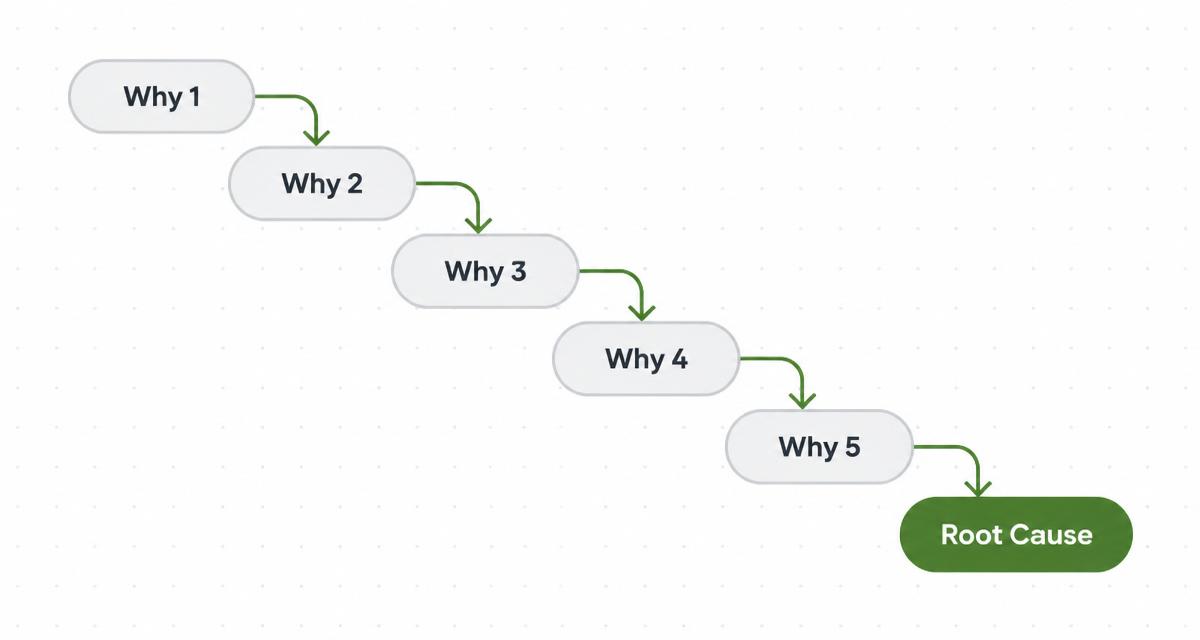
When a stop keeps recurring, an engineer can use past records to compare similar incidents and choose a response, much like a structured root cause analysis. Before reusing a fix, check that it worked and that the conditions are relevant. People still need clear responsibilities, approval rules and a record of what was done.
Turn decisions into Operational Memory
Machine data shows what happened. Decision records explain why the team acted, who took responsibility and what changed. Together, they create A record of problems, circumstances, decisions, actions and checked results that other teams and shifts can use later.: a record of problems, circumstances, decisions, actions and checked results that others can use later.
Record why the team chose an action. What did they think caused the problem? What evidence supported that view? What other options did they reject? Who approved the action, and when was the result checked? Review meeting records for accuracy and link them to the relevant problem and action.
For the packaging line, a note saying "adjusted settings" does not give the next team enough information. Record which setting changed, the product and operating conditions, who approved the change, and whether the stops returned during the agreed review period. Record fixes that failed too, so another shift can avoid repeating them.
Close the execution gap and learn from each action
The The gap between knowing there is a problem and confirming it has been solved. is the gap between knowing there is a problem and confirming it has been solved. Follow a clear sequence: spot the problem, check the data and circumstances, recommend a response, get approval where needed, assign and carry out the work, check the result, and record what you learned.
Make each handoff clear. Assign an owner and a due date. Ask for help when work is blocked. Decide how you will measure success before acting. A completed task does not always mean the problem is solved. Save the result so the next investigation can use it.
Decisyon's Software that helps plants spot problems, choose the right response, get the right people working on it, and learn from the result, across every shift and every plant. brings industrial data, manufacturing applications and its AI Workforce together to support this loop. The test is practical: does the right information reach the person doing the work, does the action get done, and can others use what was learned? Better records can help future decisions, but teams still need to check the results.
Measure progress from your starting point
Choose measures that match the problem, such as minutes lost to recurring stops, time to resolve an issue, repeat failures or time spent finding information. Record the starting figures, time period and operating conditions before making changes. Compare results under similar conditions and note any other changes that may have affected them.
Work with finance and operations to calculate the value of improvements you have checked. Recovered production time has value when the plant can use that extra capacity. Maintenance savings should reflect costs actually avoided. Include software, integration, training and ongoing support costs, and do not count the same benefit twice. Use cautious estimates until the results support a larger investment.
Practical steps for the first use case
- Pick one recurring problem on one line or type of equipment. Name a sponsor and an operational owner, and agree on the decision you want to improve.
- Record your starting point and define success. Agree on how long to monitor results and what evidence will show that the improvement lasts.
- Identify the data you need. Check equipment names, timestamps, downtime codes, maintenance history and access permissions.
- Agree on who does what. Name the people who will review recommendations, approve changes, carry out tasks and check results.
- Save decisions and results. Record owners, due dates, supporting evidence and whether each fix worked.
- Check the results before expanding. Fix the data problems you found, then apply what you learned to the next line, equipment group or plant.
Find the value in your first use case
Use Decisyon's ROI Advisor to estimate the potential value of solving a specific operational problem. Bring your line's starting figures, cost assumptions and possible improvements. Then test the estimate through a focused use case. Start with one problem, check the result and build the foundation as you go.