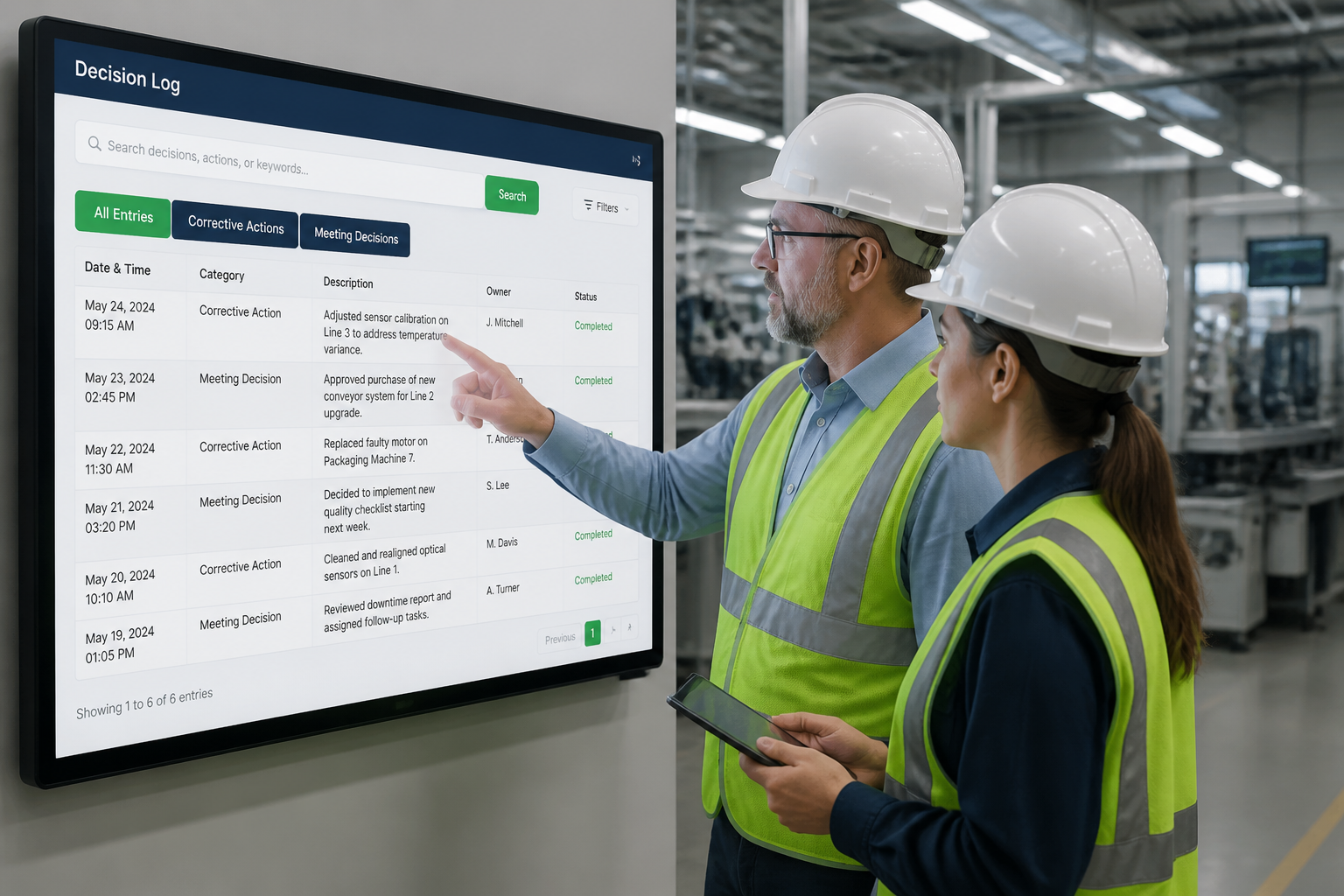
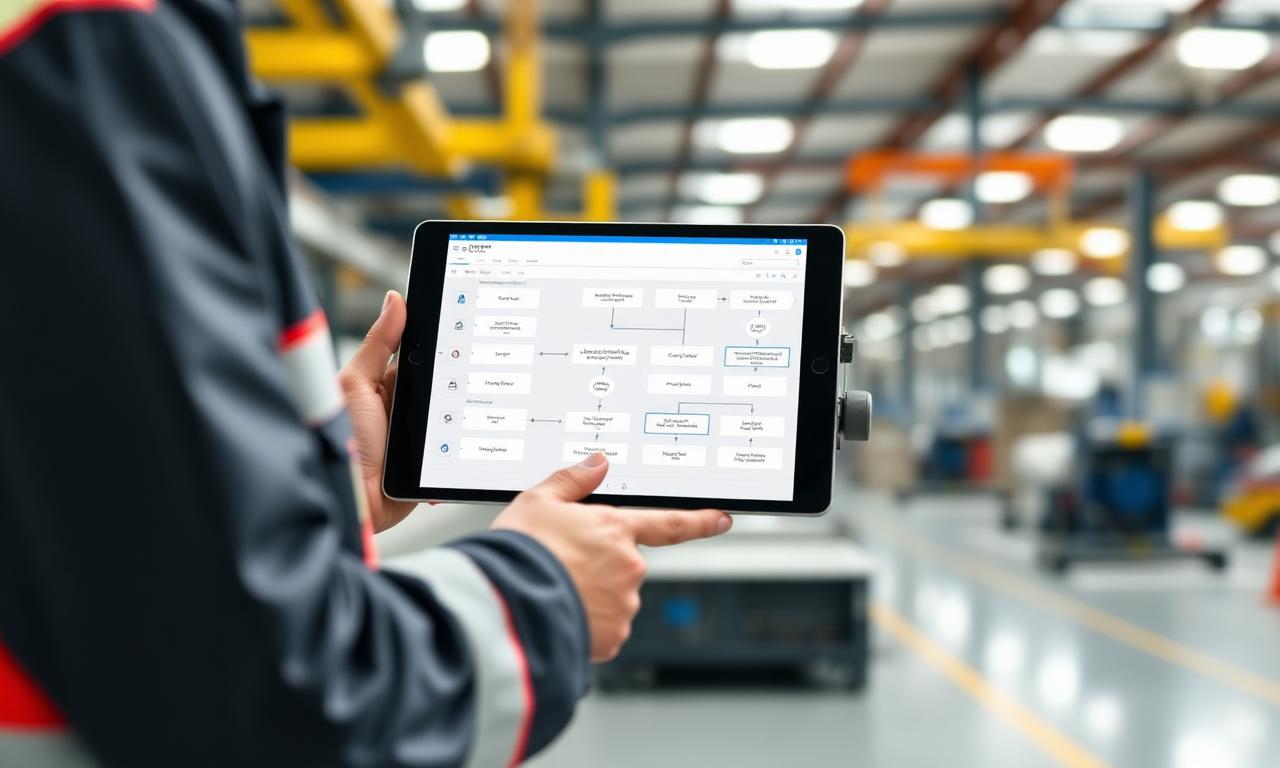
The most significant costs on a factory floor are often the ones you don’t see on a balance sheet until it’s too late. Unplanned downtime is a prime example, with losses that can reach hundreds of thousands of dollars per hour in lost production, missed deadlines, and expedited shipping fees. A reactive “run-to-fail” maintenance strategy directly contributes to these hidden costs, creating operational and financial instability. To protect your bottom line, you need a proactive approach that minimizes these costly surprises. Automated Maintenance Workflows provide the structure to do just that, using data to schedule maintenance intelligently, reduce emergency repairs, and extend asset life, ultimately turning your maintenance operations from a cost center into a powerful value driver.
Key Takeaways
- Move from reactive chaos to proactive control: Automating maintenance allows you to progress from costly, reactive fixes to data-driven strategies. By using technology to anticipate issues, you can schedule repairs proactively, which reduces unplanned downtime and creates a more stable production environment.
- Prioritize integration and people over a total overhaul: A successful transition hinges on choosing software that connects with your existing systems, like your MES or ERP, avoiding a disruptive rip-and-replace project. Equally important is involving your teams early to show them how automation makes their jobs easier, ensuring buy-in and smooth adoption.
- Connect insights directly to frontline action: The true power of automation is turning data into results. The right platform uses AI to provide prescriptive recommendations and then automatically creates and assigns work orders, closing the gap between analytics and execution. Tracking KPIs like MTTR and the planned maintenance ratio will prove the value of your investment.
What is an Automated Maintenance Workflow?
An automated maintenance workflow is a system that uses technology to streamline and organize your plant’s maintenance tasks. Think of it as moving from a world of paper checklists, manual data entry, and reactive phone calls to a smart, coordinated process. At its core, an automated workflow is built on a solid plan for preventive and prescriptive maintenance. Instead of just reacting when a machine breaks down, the system helps you schedule, assign, and track maintenance activities proactively.
This approach establishes a clear, digital process for every maintenance event. When a specific condition is met, like a machine hitting a certain number of operating hours or a sensor detecting an anomaly, the workflow automatically triggers the next step. This could be creating a work order, notifying a technician, or ordering a spare part. The goal is to make your maintenance operations more efficient, predictable, and organized. This digital trail also creates complete visibility into your maintenance history, making it easier to spot recurring problems, track costs, and prove compliance during audits. By automating the routine steps, your team can stop fighting fires and focus on higher-value tasks that improve asset performance and prevent downtime before it happens. It’s the first step in transforming daily chaos into daily control on the factory floor.
How Does Workflow Automation Work?
Workflow automation essentially puts your routine maintenance tasks on autopilot. It works by setting up rules and triggers within a software platform that automatically execute a series of actions. For example, you can configure a workflow to automatically generate a work order when a piece of equipment is due for its scheduled preventive maintenance. The system can then assign that task to the right technician based on their skills, shift schedule, or proximity to the asset.
This eliminates the manual effort and potential delays of a supervisor having to log the issue, create a paper work order, and track down a team member. Instead, the technician receives an instant notification on their device with all the necessary details and checklists. This makes the entire process faster, more accurate, and fully traceable, ensuring critical maintenance never falls through the cracks. It helps organize your operations around a single source of truth.
The Tech Behind the Scenes: AI, IoT, and Sensors
The magic behind modern automated workflows comes from a combination of powerful technologies. Industrial Internet of Things (IIoT) sensors act as the nervous system of your factory, constantly collecting real-time data on equipment health, like vibration, temperature, and pressure. This data feeds into an AI-powered platform, which serves as the brain of the operation. The AI analyzes information from sensors, historical repair records, and even your existing CMMS or MES.
This layer of smart intelligence can identify patterns that signal a potential failure long before a human could. For instance, if a sensor detects a subtle increase in a motor’s temperature over several days, the AI can automatically create a work order for a technician to investigate. This transforms maintenance from a reactive or even preventive model to a predictive one. By integrating these technologies, you can build a true Decisyon Digital Factory that anticipates issues and turns data into decisive action.
Is Manual Maintenance Holding Your Plant Back?
If your team is still relying on spreadsheets, paper work orders, and two-way radios to manage maintenance, you’re likely feeling the strain. Manual maintenance processes can lead to major inefficiencies and increased downtime. When your strategy depends on someone remembering to update a log or make a call, you create opportunities for human error and allow critical tasks to fall through the cracks. This reactive approach keeps your team in a constant state of firefighting, rushing from one breakdown to the next without the time or data to get ahead of the next problem.
Automating maintenance workflows helps you move from this daily chaos to daily control. By connecting your people, machines, and processes, you can streamline operations and give your team the tools they need to be proactive. Instead of just reacting to failures, you can anticipate them. This shift allows you to manage assets more effectively, reduce errors, and improve overall plant performance. With a connected system, your teams can align on priorities and resolve issues faster, turning your maintenance department from a cost center into a strategic advantage.
Uncover the Hidden Costs of Reactive Maintenance
Running equipment until it breaks might seem straightforward, but this reactive maintenance strategy comes with staggering hidden costs. For every hour of unplanned downtime, companies can lose anywhere from $10,000 to over $250,000. These figures are not just about the cost of replacement parts and labor; they represent lost production capacity, missed shipping deadlines, and potential damage to your customer relationships. When a critical asset fails unexpectedly, the ripple effects can disrupt your entire operation. Moving toward a more proactive strategy, like prescriptive maintenance, helps you avoid these costly surprises and protect your bottom line.
Why Disconnected Systems Create Operational Blind Spots
Many plants have a CMMS, an ERP, and maybe even an MES, but if these systems do not communicate, you are operating with significant operational blind spots. When your data is siloed, your maintenance team cannot access the real-time insights needed to make informed decisions. This lack of integration means a critical alert from a machine sensor might never become a work order, leading to missed maintenance opportunities and a higher risk of equipment failure. A truly effective maintenance strategy requires a unified view of your operations. The right platform can connect your existing tools, ensuring that data flows seamlessly from your assets to your teams without requiring a complete overhaul of your current systems.
Find Your Place on the Maintenance Maturity Curve
Every manufacturing plant handles maintenance differently. Understanding your current approach is the first step toward improving it. The maintenance maturity curve is a framework that shows the progression from basic, reactive fixes to advanced, data-driven strategies. By identifying where your operations fall on this curve, you can create a clear roadmap for reducing downtime, cutting costs, and making your factory more resilient.
Moving up the curve doesn’t happen overnight. It’s a gradual process of adopting new processes and technologies. The goal is to shift from constantly putting out fires to proactively preventing them, giving your team the control to manage assets intelligently. This journey helps you move from daily chaos to daily control, creating a more predictable and efficient production environment for everyone involved.
Reactive, Preventive, Predictive, and Prescriptive Maintenance Explained
Let’s break down the four stages of maintenance maturity. Most plants start with reactive maintenance, which means fixing equipment only after it breaks down. This “if it isn’t broken, don’t fix it” approach often leads to costly unplanned downtime and production delays. The next step is preventive maintenance, where tasks are scheduled at regular intervals, like every month or after 1,000 hours of use. While this reduces unexpected failures, it can result in unnecessary work on healthy equipment.
Predictive maintenance uses data from sensors and analytics to forecast when a machine is likely to fail, so you can perform maintenance just in time. Finally, prescriptive maintenance takes it a step further. It uses AI to not only predict a failure but also recommend the specific actions needed to prevent it.
The Role of AI and IoT in Reaching Maturity
Advancing along the maturity curve relies on technology, specifically the Internet of Things (IoT) and artificial intelligence (AI). IoT sensors installed on your equipment act as your eyes and ears on the plant floor, collecting real-time data on conditions like temperature, vibration, and pressure. This information provides a constant stream of insight into asset health.
An AI-powered platform then analyzes this data, combining it with historical maintenance records to identify subtle patterns that signal a potential failure. For example, if a sensor detects an unusual vibration, an AI-driven system can automatically generate a work order for a technician to investigate. This turns AI suggestions into actionable tasks, helping your team get ahead of problems before they stop production and achieve true asset performance management.
What Are the Benefits of Automating Maintenance?
Shifting from a reactive maintenance model to an automated one delivers benefits that extend far beyond the maintenance department. By creating a more predictable and stable operating environment, you can improve performance across the entire plant. Automating workflows helps you catch problems before they cause shutdowns, optimize resource use, and empower your teams to work more effectively.
Reduce Unplanned Downtime and Increase Asset Uptime
Automated maintenance workflows are your best defense against unexpected equipment failure. Instead of reacting to a breakdown after it brings a line to a halt, a proactive system flags potential issues before they escalate. This approach allows you to schedule repairs during planned downtime, rather than scrambling during a critical production run. By ensuring machines break down less often, you can maximize asset uptime and keep your operations running smoothly. This shift from firefighting to proactive care is fundamental to achieving consistent output and operational efficiency, moving you closer to advanced strategies like prescriptive maintenance.
Lower Your Operational and Maintenance Costs
Emergency repairs are expensive. The costs include not only parts and labor but also technician overtime, rush shipping fees, and the value of lost production. Implementing automated, preventive workflows can generate significant savings by minimizing these costly, unplanned events. Studies show that a proactive strategy can reduce maintenance costs by as much as 18%. By performing the right maintenance at the right time, you also extend the operational lifespan of your critical equipment. This helps you get more value from your existing assets and delay major capital expenditures, contributing to a healthier bottom line for your entire digital factory.
Achieve Smarter Asset Performance Management
True maintenance automation goes beyond simple, time-based schedules. It uses a rich blend of data from IoT sensors, historical repair records, and even the expertise of your most experienced technicians to create a complete picture of asset health. This integration enables smarter, data-driven decisions that enhance operational effectiveness. Instead of guessing when a component needs service, the system can recommend action based on real-time conditions and predictive analytics. This level of insight is the foundation of intelligent Asset Performance Management, allowing you to optimize maintenance activities, reduce waste, and ensure every asset performs at its peak.
Improve Frontline Communication and Execution
Automation brings clarity and efficiency to your frontline teams. It replaces the confusion of paper-based work orders, missed radio calls, and verbal instructions with a streamlined digital process. When a maintenance trigger occurs, the system can automatically generate a work order, assign it to the correct technician, and provide all necessary information, from asset history to required parts and safety procedures. This clear communication ensures that tasks are prioritized correctly and completed efficiently. By connecting people, issues, and actions in a single system, applications like LOOP ensure your maintenance and operations teams are always aligned and ready to act.
Which Industries Benefit Most from Maintenance Automation?
While nearly every manufacturing plant can gain from automating maintenance, certain industries see an outsized impact. Sectors facing intense regulatory scrutiny, complex production lines, and high costs associated with failure are prime candidates for automated workflows. By moving away from reactive fixes, these industries can protect product quality, ensure compliance, and maintain the operational velocity needed to compete. Let’s look at how food and beverage, pharmaceutical, and consumer goods manufacturers are using maintenance automation to solve their biggest challenges.
Food and Beverage Manufacturing
In the food and beverage industry, equipment health is directly tied to product safety and quality. A failing refrigeration unit or an improperly calibrated mixer can lead to spoiled batches, costly recalls, and damage to your brand’s reputation. Automated maintenance workflows help you stay ahead of these risks by continuously monitoring critical equipment. This ensures you meet stringent safety regulations and maintain process consistency. By integrating IoT and automation, food and beverage manufacturers can reduce maintenance costs significantly while improving production efficiency. This proactive approach turns maintenance from a cost center into a key part of your quality assurance strategy, protecting both your customers and your bottom line.
Pharmaceutical Production
For pharmaceutical companies, compliance isn’t just a goal; it’s a license to operate. The entire manufacturing process must adhere to strict regulatory standards, and equipment failure can have severe consequences, including batch contamination and compliance violations. Maintenance automation is critical for minimizing these risks. It provides the real-time monitoring and predictive insights needed to prevent equipment issues before they compromise product integrity. Automated systems can reduce equipment downtime substantially, which directly improves production efficiency and ensures you have the detailed audit trails required for regulatory reporting. This makes it an essential tool for maintaining both operational excellence and unwavering compliance.
Industrial and Consumer Packaged Goods
The industrial and consumer packaged goods (CPG) sectors run on speed and efficiency. High-volume production lines and tight supply chain schedules mean there is little room for error or unexpected downtime. Automated maintenance workflows are key to achieving the operational reliability needed to meet tight deadlines and fluctuating consumer demand. By implementing these systems, companies can see a major increase in equipment uptime and a notable reduction in maintenance costs. This is especially important in CPG, where thin margins make every efficiency gain count. Automating maintenance helps you streamline operations and build a more resilient, predictable production environment from the plant floor to the store shelf.
What to Look for in Automated Maintenance Software
Choosing the right automated maintenance software is about more than just adding another tool to your tech stack. It’s about finding a solution that can grow with you, turning raw data into intelligent action and connecting your teams for faster resolution. The best platforms don’t just automate tasks; they provide a clear, real-time picture of your asset health and integrate smoothly into your existing operational environment. As you evaluate your options, focus on solutions that deliver on four key fronts: real-time monitoring, intelligent workflow automation, seamless system integration, and actionable analytics. A truly comprehensive platform will excel in all these areas, giving you the foundation to move from reactive firefighting to proactive, predictive, and even prescriptive maintenance. This shift is essential for building a more resilient and efficient factory floor where teams can anticipate issues and align on priorities before small problems become costly downtime events.
Real-Time Equipment Monitoring
Your maintenance software should give you eyes on your equipment at all times. This goes beyond simple alerts. Look for a system that uses AI and IoT sensor data to provide a live, intelligent view of asset health. Instead of just telling you when a machine has failed, it should identify subtle changes in performance, temperature, or vibration that signal a potential breakdown is on the horizon. This capability allows your team to intervene before a failure occurs, turning unplanned downtime into a scheduled maintenance task. With prescriptive maintenance capabilities, the software can even recommend specific actions to prevent the issue, giving your team clear guidance on what to do next.
Automated Work Orders and Prioritization
Manual work order creation is a major source of administrative drag and potential error. The right software puts this process on autopilot. When a potential issue is detected, the system should automatically generate a work order, populate it with relevant data, and assign it to the right person based on skill set, availability, and location. More advanced systems can also prioritize tasks based on asset criticality and potential impact on production. This ensures your team is always focused on the most important work. By automating these workflows, you free up your technicians and supervisors from paperwork, allowing them to focus on what they do best: keeping your plant running smoothly with a clear list of priorities.
Seamless Integration with MES and Plant Systems
A new software solution should not require you to tear down your existing infrastructure. The most effective automated maintenance platforms are designed to work with the systems you already have, including your CMMS, ERP, and MES. Look for a solution that acts as an intelligent overlay, connecting to your current tools without a disruptive “rip-and-replace” project. This approach allows your teams to continue using familiar software while gaining powerful new capabilities behind the scenes. A flexible smart gateway is key to ensuring bi-directional data flow, unifying information from across your factory floor into a single, cohesive view of operations.
Actionable Reporting, Analytics, and KPI Tracking
Data is only valuable if you can use it to make better decisions. Your maintenance software must provide clear, intuitive dashboards and reports that turn complex data into actionable insights. You should be able to easily track key performance indicators (KPIs) like planned versus unplanned maintenance, mean time to repair (MTTR), and overall equipment effectiveness (OEE). This visibility helps you measure the impact of your maintenance strategy, identify areas for improvement, and demonstrate the ROI of your investment. A manufacturing control tower provides this holistic view, enabling you to monitor performance, diagnose issues, and drive continuous improvement across your entire operational footprint.
How to Implement Automated Maintenance in Your Plant
Transitioning to an automated maintenance system is a structured process, not an overnight flip of a switch. By following a clear, step-by-step approach, you can build a robust system that integrates smoothly into your current operations, empowers your teams, and delivers measurable results. The goal is to create a smarter, more connected maintenance workflow that moves your plant from reactive firefighting to proactive control. Here’s how you can get started.
Step 1: Audit Your Current Maintenance Process
Before you can automate anything, you need a crystal-clear picture of your current maintenance operations. Think of this as creating a map of where you are now so you can chart the best course forward. Document your existing workflows, from how work orders are created and assigned to how they are completed and closed out. Identify what’s working well and where the bottlenecks are. A successful automated system is built on a solid foundation, and for maintenance, that foundation is an effective preventive maintenance program. If your current processes are chaotic, automation will only make the chaos happen faster. Take the time to streamline and strengthen your core maintenance strategy first.
Step 2: Define Workflow Triggers and Escalations
This is where you bring the “automation” to your workflow. A trigger is an event that automatically kicks off a maintenance task. These workflows can combine data from multiple sources, including IoT sensors, historical repair data, and operator input. For example, a sensor detecting an abnormal vibration in a machine could automatically generate a work order for a technician to investigate, often before a failure occurs. You also need to define escalation procedures. What happens if a high-priority work order is not acknowledged within 30 minutes? The system can automatically escalate it to a maintenance supervisor, ensuring critical issues never fall through the cracks. This creates a system of prescriptive maintenance that not only predicts problems but also initiates the solution.
Step 3: Choose Software That Meets You Where You Are
The right software is a partner in your digital transformation, not a roadblock. Look for a solution that is flexible and can integrate with your existing environment, including any MES or ERP systems you already use. You should not have to rip and replace your entire tech stack. A modular platform allows you to start with the capabilities you need most and expand over time. The software should help you put routine tasks on autopilot by automating work order creation and assignment based on asset data, technician skill sets, or even failed items on a digital checklist. This approach lets you build momentum and prove value quickly without causing massive disruption to your plant floor operations.
Step 4: Train Your Teams and Align Stakeholders
New technology is only effective if your team knows how to use it and believes in its value. Change can be met with resistance, so clear communication and comprehensive training are essential. Involve your frontline maintenance and operations teams in the process early. Show them how the new automated workflows will make their jobs easier by eliminating manual paperwork, providing clearer instructions, and helping them resolve issues faster. When your team sees the software as a tool that empowers them, they become your biggest advocates for its success. A tool like LOOP can help by connecting teams and standardizing communication around maintenance tasks and priorities.
Step 5: Measure, Refine, and Scale Your Success
Implementing an automated maintenance workflow is not a one-and-done project. It’s a continuous cycle of improvement. To know if your new system is working, you must track the right Key Performance Indicators (KPIs). Start by measuring metrics like the ratio of planned versus unplanned maintenance, Mean Time to Repair (MTTR), and overall asset uptime. These numbers will give you concrete evidence of your ROI and highlight areas for further refinement. Use a manufacturing control tower to visualize this data in real time. Once you have proven success on one production line or with one asset class, you can confidently scale the solution across your entire plant.
How to Prepare for Common Implementation Challenges
Adopting any new technology comes with its own set of hurdles, and automated maintenance workflows are no exception. The good news is that these challenges are predictable, and with the right strategy, you can prepare for them before they slow you down. A successful implementation isn’t just about choosing the right software; it’s about how you integrate it into your existing environment, both technically and culturally.
Thinking ahead about system compatibility, team adoption, and data integrity will make the transition much smoother. By addressing these common issues head-on, you can avoid project delays and ensure your investment delivers real value from day one. The goal is to create a path of least resistance so your teams can start benefiting from automated workflows faster. Let’s walk through how to handle three of the most frequent challenges you’ll face.
Integrate with Legacy Systems (Without Rip-and-Replace)
One of the biggest fears in any digital transformation project is the dreaded “rip-and-replace” scenario. You’ve invested heavily in your ERP, CMMS, and other plant systems, and the idea of starting from scratch is a non-starter. The right automated maintenance solution shouldn’t force you to abandon these tools. Instead, it should act as an intelligent layer that works with your existing infrastructure.
Modern platforms are designed to connect to your current systems, pulling data from them and adding new capabilities on top. This approach allows your teams to continue using familiar software while the new system provides the AI-powered insights and automation behind the scenes. A flexible platform that meets you where you are is key to a cost-effective and non-disruptive implementation.
Overcome Change Management and Team Resistance
Technology is only one part of the equation; your people are the other. Resistance to change is natural, especially if teams feel a new tool will make their jobs more complicated or even obsolete. The key to overcoming this is to frame automation as a tool that helps them, not one that replaces them. Focus on how it eliminates tedious manual tasks, provides clearer priorities, and helps resolve issues faster.
Effective change management is an ongoing effort, not a one-time training session. Provide continuous technical support and create channels for feedback. When your frontline teams see how the new workflows directly improve their daily operating rhythm, adoption will follow. Solutions that connect people and processes, like LOOP, are essential for building this kind of support from the ground up.
Address Data Quality and Integration Gaps
Your automated workflows are only as smart as the data they receive. If your information is siloed in disconnected spreadsheets, legacy systems, and paper forms, your new software won’t have the complete picture it needs to be effective. Inaccurate or incomplete data leads to flawed analysis and poor decision-making, undermining the entire purpose of automation.
Before you implement a new system, it’s critical to address these data gaps. The best approach is to use a solution that can create a unified data layer, gathering information from all your different sources into one place. A Smart Gateway can ensure seamless, bi-directional data integration, giving your AI engine the clean, comprehensive data it needs to generate accurate insights and trigger the right actions.
Which KPIs Should You Track to Measure Success?
Once you implement an automated maintenance workflow, how do you know it’s actually working? The answer lies in tracking the right Key Performance Indicators (KPIs). Moving from manual processes to an automated system isn’t just about adopting new technology; it’s about achieving measurable improvements in efficiency, cost, and output. By focusing on a few core metrics, you can clearly see the return on your investment and identify areas for further refinement. These indicators are the proof points that show your strategy is paying off, turning abstract goals into tangible results.
These KPIs provide a clear, data-backed story of your plant’s transformation. They help you move beyond gut feelings and anecdotal evidence to prove the value of your maintenance strategy to stakeholders. When you can show a concrete reduction in downtime or a specific percentage of cost savings, you build a powerful case for continued investment in smart manufacturing. Tracking these numbers helps you quantify the reduction in chaos and the increase in control on your factory floor. Below are the essential KPIs you should monitor to gauge the success of your automated maintenance program, giving you the insights needed to make smarter, faster decisions where the work happens.
Planned vs. Unplanned Maintenance
A core goal of any maintenance strategy is to shift from reactive firefighting to proactive control. The ratio of planned to unplanned maintenance is your best indicator of this shift. Unplanned maintenance, or fixing things only after they break, is incredibly costly. Every hour of downtime can cost a facility anywhere from $10,000 to $250,000 in lost production. In contrast, a solid preventive maintenance program can reduce overall maintenance costs by up to 18%. By automating workflows, you can catch potential issues before they cause failures, allowing you to schedule repairs on your own terms. This KPI directly reflects your ability to get ahead of problems, turning your maintenance team into a strategic asset rather than an emergency crew.
Mean Time to Repair (MTTR) and Asset Uptime
When a breakdown does happen, every second counts. Mean Time to Repair (MTTR) measures the average time from when a failure occurs until the asset is fully repaired and operational. A lower MTTR means your team is resolving issues faster. Closely related is asset uptime, which is the percentage of time your equipment is available to run. Automated workflows directly impact both metrics by instantly triggering work orders and dispatching the right technicians. Effective automation can reduce equipment breakdown time by up to 26% and even help your assets last up to 11% longer. These KPIs are a direct measure of your operational availability and your team’s efficiency in a crisis.
Total Maintenance Cost Savings
While reducing downtime is critical, tracking total maintenance cost savings provides a clear picture of the financial impact. These savings come from multiple sources: fewer expensive emergency repairs, reduced overtime pay for technicians, and optimized inventory levels. A well-implemented preventive maintenance strategy alone can cut maintenance-related expenses significantly. An automated system provides the data visibility needed to accurately track these costs. Instead of relying on estimates, you can pinpoint exactly where you are saving money, making it easier to justify your investment in digital factory solutions and build a business case for future improvements.
Task Completion Rates and Team Response Times
How effective is your team at executing the plan? Task completion rates and team response times are KPIs that measure the efficiency of your frontline workers. Automation ensures that when a maintenance task is generated, it is immediately assigned and tracked. This allows you to monitor how quickly your team acknowledges an alert and how consistently they complete scheduled work orders on time. By connecting maintenance activities directly to operational priorities, you can ensure your team is always focused on the most critical tasks. Tools that improve frontline communication, like Decisyon’s LOOP, eliminate confusion and create a clear line of sight from issue detection to resolution, improving accountability and overall team performance.
How Decisyon Automates Maintenance Workflows
Automating maintenance workflows requires more than just collecting data; it demands a platform that can turn that data into clear, coordinated action. Decisyon provides an end-to-end solution that connects your assets, analytics, and teams in a single, cohesive system. Instead of relying on disconnected spreadsheets and manual processes, our platform creates a closed-loop environment where potential issues are identified, analyzed, and resolved with speed and precision. By integrating predictive intelligence with frontline execution tools, Decisyon helps your plant move from a reactive maintenance posture to a proactive and prescriptive one, ensuring every maintenance activity is driven by real-time operational needs.
Go Beyond Predictive with Prescriptive Maintenance
Predictive maintenance tells you when a machine might fail, but prescriptive maintenance tells you what to do about it and why. Decisyon’s platform uses artificial intelligence to achieve this higher level of intelligence. It doesn’t just anticipate potential equipment failures; it provides clear, actionable recommendations to prevent them from happening. This approach transforms maintenance from a guessing game into a data-driven strategy. By analyzing real-time data from your assets, our prescriptive maintenance capabilities can pinpoint the root cause of a potential issue and suggest the most effective solution, empowering your team to act decisively before a breakdown disrupts production.
Unify Your Asset Performance Management (APM)
Effective maintenance automation is impossible when your data lives in silos. Decisyon solves this by creating a unified data layer that centralizes all maintenance and operational information. By integrating data from your existing MES, ERP, and IoT sensors, the platform provides a single source of truth for asset health and performance. This holistic view is the foundation of smarter Asset Performance Management. Instead of chasing alarms or digging through different systems for information, your teams gain comprehensive insights that facilitate better decision-making, streamline maintenance planning, and optimize the entire lifecycle of your critical assets.
Connect Maintenance to Operations with LOOP
An insight is only valuable if it leads to action. Decisyon closes the gap between analytics and execution with LOOP, our Lean Operations Optimizer. When the platform’s AI generates a prescriptive recommendation, LOOP automatically transforms it into an actionable work order, assigns it to the right person, and tracks it to completion. This seamless integration ensures that maintenance tasks are woven directly into your daily operational workflows. It eliminates communication delays and manual handoffs, fostering clear accountability and collaboration between maintenance and production teams. The result is a more agile, responsive, and productive plant floor where everyone is aligned on priorities.
Related Articles
- Prescriptive Maintenance
- Predictive Maintenance to Cut Downtime & Costs | Decisyon
- 9 Advantages of Preventive Maintenance for Your Biz
- AI for Predictive Asset Maintenance: A 4-Step Guide
Frequently Asked Questions
How is an automated workflow different from the CMMS we already use? That’s a great question. Think of your CMMS as a system of record; it’s great for logging what has happened. An automated workflow platform acts as a system of action. It connects to your CMMS, but it also integrates real-time data from your equipment and operators to automatically trigger and manage work orders. Instead of a supervisor manually creating a task in the CMMS after a problem is reported, the workflow platform can create, assign, and track that task instantly based on a sensor alert or a failed checklist item, turning your CMMS from a passive database into an active part of your daily operations.
This sounds great, but where do I begin if my current process is mostly manual? The best way to start is to focus on one high-impact area. You don’t need to automate everything at once. Begin by mapping out a single, critical maintenance process that causes frequent headaches, perhaps for a machine that is a common source of bottlenecks. Document every step, from how an issue is first noticed to how the repair is confirmed. This audit will quickly reveal the biggest opportunities for automation, giving you a clear, manageable starting point to prove the concept and build momentum.
How can I get my maintenance team on board with a new automated system? Team adoption is crucial, and it starts with framing the technology as a tool that empowers them. The goal is to eliminate the frustrating parts of their job, like chasing down paperwork, dealing with unclear instructions, or responding to constant emergencies. Involve your technicians in the selection and implementation process. Show them how a digital workflow gives them all the information they need on a single device and helps them focus on skilled problem-solving instead of administrative tasks. When they see it as a way to make their day less chaotic, they will become its biggest supporters.
Do I need to install expensive IoT sensors on all my equipment to get started? Not at all. While IoT sensors are key to unlocking advanced predictive and prescriptive maintenance, you can gain significant value by starting with what you have. The first step can be digitizing your existing preventive maintenance schedules and manual inspection checklists. This alone automates work order creation, improves tracking, and ensures routine tasks are not missed. You can then strategically add sensors to your most critical or problematic assets over time, allowing you to mature your maintenance strategy at a pace that fits your budget.
How quickly can I expect to see a return on investment after implementing automated workflows? You can see some benefits almost immediately. Improvements in communication, task accountability, and reduced administrative work for supervisors and technicians often appear within the first few weeks. The more significant financial returns, such as a measurable reduction in unplanned downtime and lower emergency repair costs, typically become clear within a few months. As the system gathers data and your team fully adopts the new workflows, you will see the ratio of planned to unplanned maintenance improve, which is a strong indicator of long-term ROI.