The enterprise software landscape is undergoing a major transformation, driven by the rise of AI/LLM-powered Low-Code No-Code (LCNC) platforms. These platforms are dramatically changing how businesses approach application development and deployment, offering enhanced agility, customization, and speed. As a result, traditional preconfigured solutions are becoming increasingly obsolete. Rather than simply integrating AI into legacy systems, a new wave of AI-native development is emerging—enabling businesses to create more adaptable and personalized applications that align with their evolving needs.
According to recent industry reports, the global low-code development market is projected to reach $187.9 billion by 2030, with AI integration being a primary driver. Organizations that leverage AI-powered LCNC platforms are experiencing up to 75% reductions in development time and 65% lower costs compared to traditional methods.
The Decline of Preconfigured Solutions
For years, preconfigured solutions were valued for their ability to provide standardized functionality quickly, helping businesses avoid the high costs of custom development. However, these solutions are now facing increasing challenges. They lack the flexibility required to adapt to the fast-moving demands of modern business environments.
As organizations grow, their needs evolve, and traditional preconfigured solutions often struggle to keep pace. Issues like scalability, vendor lock-in, and the high cost of customization have become more apparent. As a result, businesses are turning to more flexible and cost-effective alternatives—LLM-powered LCNC platforms.
These platforms not only provide businesses with the ability to develop custom applications rapidly, but they also eliminate the burden of costly, rigid solutions that fail to meet the unique demands of each business.
The Rise of LLM-Powered LCNC Platforms and the Role of AI Agents
Low-Code No-Code (LCNC) platforms like Decisyon App Composer™ (DAC) are transforming the software development process. These platforms enable both technical and non-technical users to build applications with minimal coding. This reduction in development time and costs, along with improved user experiences, is revolutionizing how businesses approach software.
But the real magic happens when Large Language Models (LLMs) are integrated into these platforms. LLMs allow users to translate natural language prompts into executable code, empowering non-technical users to create sophisticated applications without needing coding expertise. This integration not only democratizes software development but also accelerates innovation by allowing faster and more efficient application creation.
The Value of AI Agents in Software Development
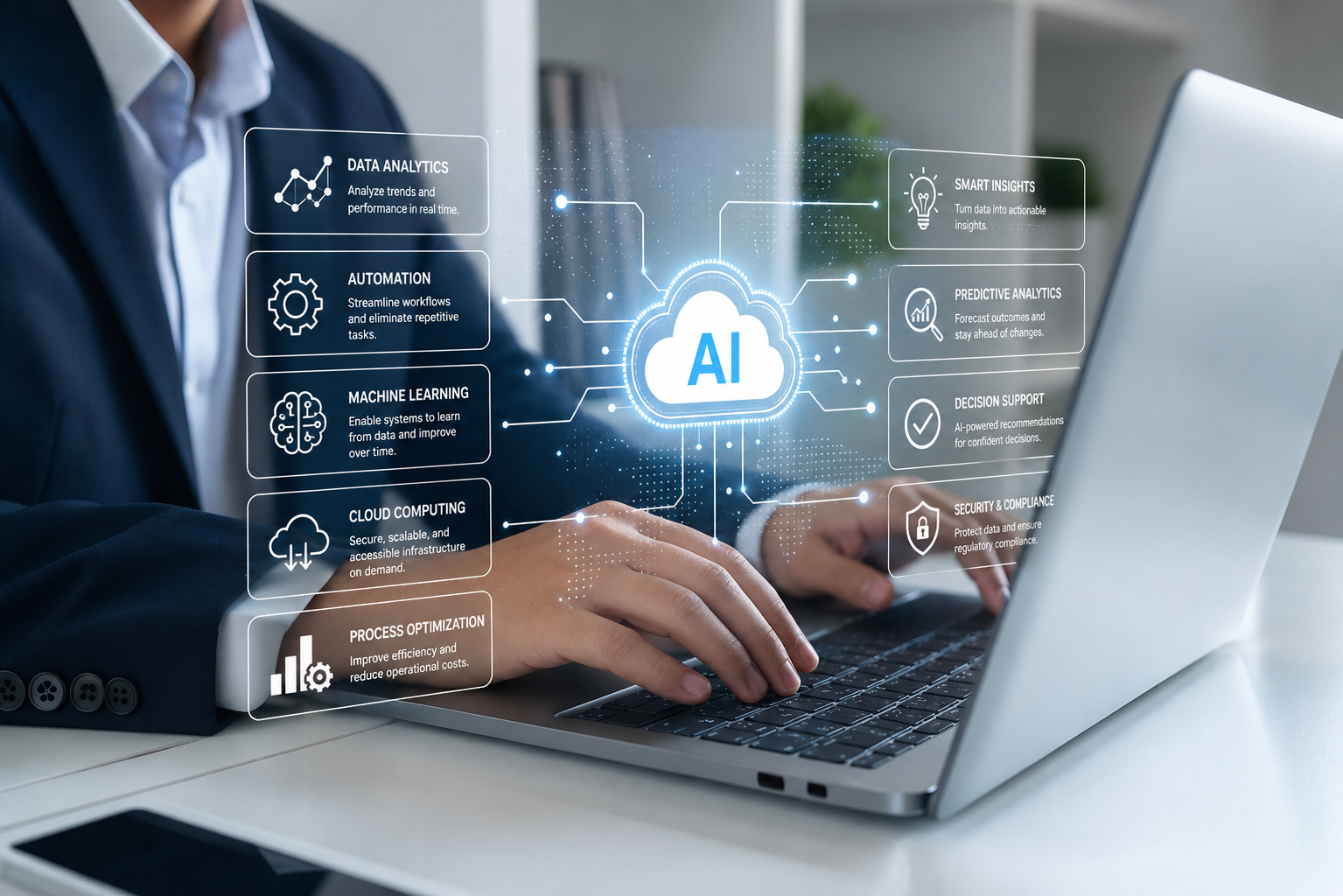
AI agents are autonomous software entities that can perform tasks, make decisions, and learn from data—adding significant value to the application development process. When integrated with LLM-powered LCNC platforms, these agents enhance functionality in several impactful ways:
-
Automation of Repetitive Tasks: AI agents can automate mundane tasks such as data entry, reporting, or routine decision-making, allowing human resources to focus on more strategic initiatives.
-
Intelligent Decision-Making: AI agents can analyze vast amounts of data in real-time and make context-aware decisions to optimize business operations. This capability is especially important for applications that need to adapt to changing environments or handle complex data sets.
-
Enhanced User Experience: By continuously learning from user interactions, AI agents can improve system responses, recommend actions, and optimize workflows, providing a more personalized and efficient experience.
By incorporating AI agents into LLM-powered LCNC platforms, businesses can develop intelligent and adaptive applications that not only automate complex tasks but also offer smarter decision-making and enhanced user experiences. This integration enables companies to respond more swiftly and effectively to the rapidly evolving needs of their industries.
The Path Forward for Enterprises and Vendors
As LLM-powered app composers and AI agents continue to disrupt traditional software development models, businesses must act swiftly to stay ahead. Key recommendations include:
- Audit existing software portfolios to identify areas where LLM-powered tools can be used for specific needs.
- Pilot AI-powered tools to address niche challenges, allowing businesses to test and refine their adoption strategy.
- Upskill employees to work effectively with these platforms, ensuring that teams are prepared for the AI-driven future of software development.
For vendors of traditional preconfigured solutions, the pressure to adapt is mounting. To remain competitive, vendors must embrace AI-native transformations by re-architecting their products to incorporate AI agents and support LLM-driven customizations. Those who fail to evolve may lose market share to competitors better equipped to provide agile, AI-enhanced solutions.
Conclusion
The software development landscape is rapidly shifting toward AI-powered LCNC platforms, transforming how applications are built, deployed, and maintained. Businesses are increasingly demanding flexible, customizable, and innovative solutions, and traditional preconfigured systems are failing to meet these needs. The integration of AI agents within these platforms amplifies their value, enabling smarter, more efficient applications that can adapt to the needs of modern enterprises.
Both enterprises and vendors must embrace this new paradigm to remain competitive and meet the growing demands of today’s dynamic business environments. Those who harness the power of AI agents within LLM-powered LCNC platforms will be better positioned to succeed in the future of software development. Discover how your company can apply LLM- and AI-powered LCNC platforms to achieve its business objectives. Get in touch here.